
A sudden cholera outbreak in Nigeria’s Plateau State has left five people dead and 53 others infected, according to state health authorities. The fatalities, which include four women and one man, reflect a case fatality rate of 9.43 percent, a figure that underscores the severity of the crisis in a region already grappling with healthcare challenges. With cases rapidly emerging, public health officials are scrambling to contain the spread of the waterborne disease before it escalates into a larger epidemic. Cholera, a highly contagious bacterial infection, thrives in areas with poor sanitation and limited access to clean water. The current outbreak in Plateau State serves as a stark reminder of the persistent vulnerabilities in Nigeria’s public health infrastructure, particularly in rural and underserved communities. As authorities work to trace the source of the infection, residents are being urged to adopt preventive measures to protect themselves and their families.
What Happened
Health officials in Plateau State confirmed that a cholera outbreak has infected 53 residents across a local government area, resulting in five deaths. The victims include four women and one man, with the case fatality rate standing at 9.43 percent. While the exact source of the outbreak remains under investigation, preliminary reports suggest contaminated water supplies or poor hygiene practices may have played a role in transmission.
Why Public Health Officials Are Concerned
Cholera outbreaks are not uncommon in Nigeria, particularly during the rainy season when flooding and inadequate waste disposal systems can contaminate water sources. However, the current fatality rate in Plateau State is alarmingly high, exceeding the global average for cholera mortality. Public health experts warn that without swift intervention, the outbreak could spread to neighboring regions, overwhelming already strained healthcare facilities.
The situation is further complicated by Nigeria’s ongoing struggles with waterborne diseases. According to the World Health Organization, Nigeria remains one of the countries most affected by cholera globally, with thousands of cases reported annually. The disease’s rapid progression, from infection to severe dehydration in hours, makes early detection and treatment critical to saving lives.
Symptoms or Risk Factors
Cholera is characterized by severe watery diarrhea, vomiting, and rapid dehydration. In extreme cases, it can lead to shock and death within hours if left untreated. High risk groups include children, the elderly, and individuals with weakened immune systems. The disease spreads through ingestion of food or water contaminated with the Vibrio cholerae bacterium, often due to poor sanitation or hygiene practices.
Who May Be Affected
Residents of Plateau State’s affected local government area are at immediate risk, particularly those living in overcrowded or unsanitary conditions. Communities with limited access to clean water, proper sewage systems, or healthcare services face the highest threat. Additionally, travelers to the region and individuals who consume food or water from contaminated sources may also be vulnerable.
Government or WHO Response
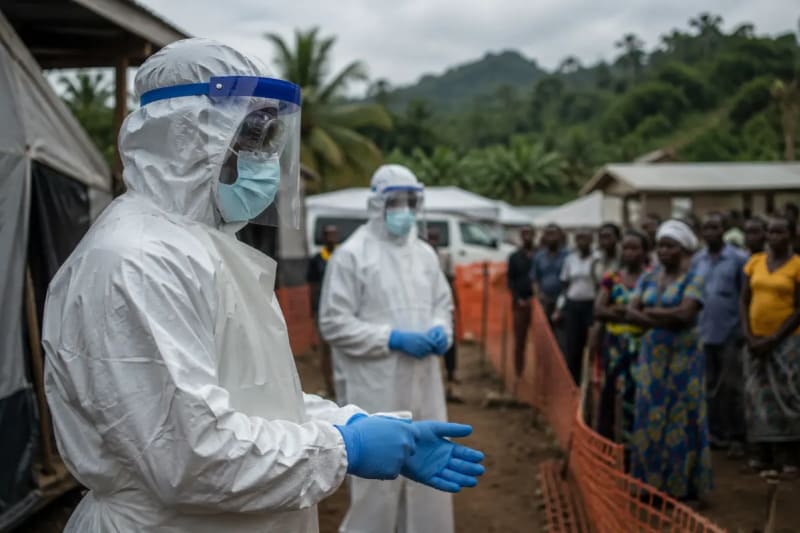
Plateau State health authorities have activated an emergency response, including the deployment of medical teams to affected areas and the distribution of oral rehydration salts to prevent dehydration. The Nigeria Centre for Disease Control is monitoring the situation closely and coordinating with local governments to implement containment measures. While the World Health Organization has not yet issued a global alert, it has offered technical support to Nigerian health officials to curb the outbreak.
Prevention and Safety Guidance
Public health officials emphasize the following precautions to reduce the risk of cholera infection:
- Drink only boiled or bottled water, and avoid ice made from untreated water.
- Wash hands thoroughly with soap and clean water before eating or preparing food.
- Cook food thoroughly and consume it while hot. Avoid raw foods like salads or unpeeled fruits.
- Use proper sanitation facilities and dispose of waste safely to prevent contamination.
- Seek immediate medical attention if symptoms such as severe diarrhea or vomiting occur.
What Readers Should Know
Cholera is preventable and treatable with prompt medical care. The current outbreak in Plateau State highlights the urgent need for improved water sanitation and hygiene infrastructure in Nigeria. Residents in affected areas should remain vigilant, follow public health advisories, and report any suspected cases to local health authorities. For those traveling to or living in high risk regions, adherence to preventive measures can mean the difference between life and death.
Key Takeaways
- A cholera outbreak in Plateau State, Nigeria, has killed five people and infected 53 others, with a case fatality rate of 9.43 percent.
- Cholera spreads through contaminated water or food and can lead to severe dehydration and death if untreated.
- Public health officials urge residents to drink safe water, practice good hygiene, and seek immediate medical care if symptoms appear.
Frequently Asked Questions
What are the early signs of cholera?
Early symptoms include sudden onset of painless, watery diarrhea, often accompanied by vomiting. Severe cases can lead to rapid dehydration, muscle cramps, and shock.
How can cholera be treated?
Cholera is treatable with oral rehydration salts to replace lost fluids and electrolytes. In severe cases, intravenous fluids and antibiotics may be required. Early medical intervention is critical.
Is there a vaccine for cholera?
Yes, oral cholera vaccines are available and recommended for individuals in high risk areas. However, vaccination should be combined with improved water sanitation and hygiene practices for effective prevention.
Medical Review: MedSense Editorial Board












DISCUSSION (0)
POST A COMMENT