
What Happened
The Nigerian Medical Association NMA in Borno State has called on residents to avoid self medication in response to suspected cholera cases. The warning follows reports of increasing gastrointestinal illnesses in communities with poor sanitation and water supply. While the NMA did not disclose specific case numbers, the advisory reflects growing concern among healthcare providers about the potential for a wider outbreak if preventive measures are not reinforced.
Why Public Health Officials Are Concerned
Cholera is an acute diarrheal infection caused by the bacterium Vibrio cholerae. It spreads rapidly in areas with inadequate water treatment, poor sanitation, and hygiene practices. The disease can lead to severe dehydration within hours if left untreated, with fatality rates reaching as high as 50 percent in untreated cases. Self medication, particularly with unregulated antibiotics or antidiarrheal drugs, can mask symptoms, delay proper diagnosis, and contribute to antimicrobial resistance. Public health officials warn that such practices may also lead to complications like electrolyte imbalances, kidney failure, and shock.
Symptoms or Risk Factors
Cholera symptoms typically appear within 2 to 5 days of infection and include:
- Profuse watery diarrhea, often described as rice water stools
- Vomiting
- Rapid heart rate
- Low blood pressure
- Muscle cramps
- Thirst and dry mucous membranes
Individuals at higher risk include those living in overcrowded or flood prone areas, people with limited access to clean water, and those with weakened immune systems. Children under five and the elderly are particularly vulnerable to severe outcomes.
Who May Be Affected
The current advisory targets residents of Borno State, where ongoing conflict and displacement have strained water and sanitation infrastructure. However, cholera outbreaks are not confined to this region. Neighboring states with similar environmental and infrastructural challenges may also face heightened risks. Healthcare workers, caregivers, and community leaders are being urged to remain vigilant and educate at risk populations about early symptom recognition.
Government or WHO Response
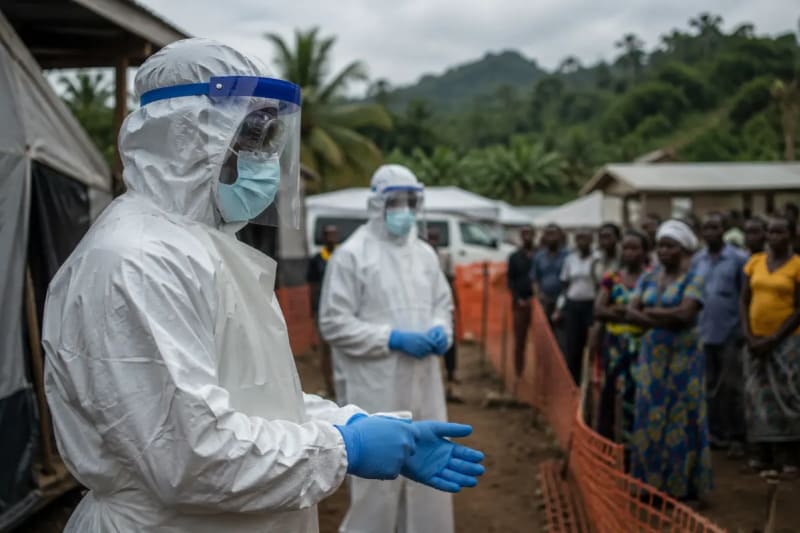
While the NMA’s statement did not detail specific government actions, previous cholera outbreaks in Nigeria have prompted coordinated responses from the Nigeria Centre for Disease Control NCDC, state ministries of health, and international partners like the World Health Organization. These efforts typically include:
- Deployment of rapid response teams to affected areas
- Distribution of oral rehydration salts and intravenous fluids
- Chlorination of water sources
- Public awareness campaigns on hygiene and sanitation
- Surveillance and case reporting to track outbreak progression
The NCDC maintains a national cholera emergency operations center to monitor and coordinate outbreak responses across the country.
Prevention and Safety Guidance
Preventing cholera hinges on improving water, sanitation, and hygiene practices. The NMA and public health agencies recommend the following measures:
- Water Safety: Drink only boiled, bottled, or chemically treated water. Avoid ice made from untreated water.
- Food Hygiene: Eat thoroughly cooked food while it is still hot. Avoid raw vegetables, unpeeled fruits, and street food from unhygienic sources.
- Handwashing: Wash hands with soap and clean water before eating, after using the toilet, and before preparing food.
- Sanitation: Use proper latrines or toilets. Dispose of feces safely and keep latrines clean.
- Vaccination: Oral cholera vaccines are available and may be recommended in high risk areas. Consult local health authorities for eligibility.
What Readers Should Know
Cholera is preventable and treatable, but early medical intervention is critical. Self medication, including the use of over the counter drugs or traditional remedies, can worsen outcomes and delay proper care. If you or someone in your household develops sudden, severe diarrhea, seek medical attention immediately. Oral rehydration therapy can be life saving in the early stages, but professional assessment is essential to rule out complications. Stay informed through official health advisories and avoid spreading unverified information about treatments or outbreak status.
Key Takeaways
- Cholera spreads rapidly in areas with poor sanitation and contaminated water, leading to severe dehydration and potential death if untreated.
- Self medication can mask symptoms, delay diagnosis, and increase the risk of complications like kidney failure and shock.
- Early medical care, including rehydration therapy, is crucial for recovery and preventing severe outcomes.
- Prevention focuses on safe water practices, food hygiene, handwashing, and proper sanitation.
- Residents in high risk areas should stay alert to symptoms and seek professional care immediately if diarrhea or vomiting occurs.
Frequently Asked Questions
What are the first signs of cholera?
The earliest signs of cholera include sudden, painless, watery diarrhea often described as rice water stools, along with vomiting. These symptoms can lead to rapid dehydration, so medical attention should be sought immediately.
Why is self medication dangerous for cholera?
Self medication can delay proper diagnosis and treatment, allowing dehydration to progress unchecked. Some drugs, like antidiarrheals, may worsen the condition by preventing the body from expelling the bacteria. Antibiotics, if used incorrectly, can contribute to antimicrobial resistance.
How can I protect my family from cholera?
Ensure everyone drinks only safe water, eats thoroughly cooked food, and practices regular handwashing with soap. Avoid raw or unpeeled foods in high risk areas, and use proper sanitation facilities. If cholera vaccines are available locally, consider vaccination for added protection.
Is cholera treatable?
Yes, cholera is treatable with prompt rehydration therapy, either through oral rehydration salts or intravenous fluids in severe cases. Antibiotics may be prescribed to shorten the duration of illness, but rehydration remains the cornerstone of treatment.
Where can I get reliable updates on cholera outbreaks in Nigeria?
For accurate and up to date information, refer to official sources such as the Nigeria Centre for Disease Control NCDC, the World Health Organization WHO, and state ministries of health. Avoid relying on unverified social media posts or word of mouth.
Medical Review: MedSense Editorial Board











DISCUSSION (0)
POST A COMMENT