
What Happened
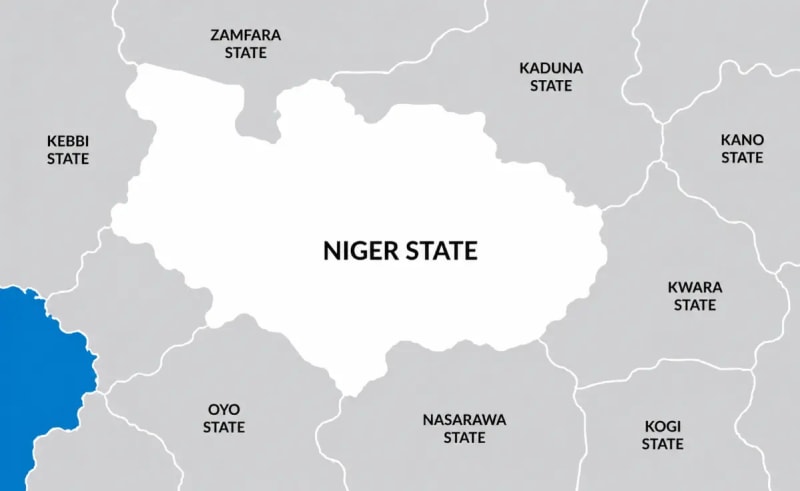
Borno State’s Public Health Emergency Operations Centre revealed that the cholera outbreak has intensified, with suspected cases rising sharply to 4,204 as of the latest update. Dr Jacob Thlizer, the centre’s Incident Manager, disclosed the figures during an emergency meeting focused on prevention and control measures. The outbreak, which has been ongoing for weeks, shows no signs of abating, with 274 new cases recorded in a single 24 hour period. While laboratory confirmation is pending for many cases, the pattern of symptoms and rapid transmission aligns with cholera’s characteristic spread in high risk environments.
Why Public Health Officials Are Concerned
Cholera is a highly contagious bacterial infection that thrives in conditions of poor sanitation, limited access to clean water, and overcrowding, all of which are prevalent in Borno State. The region has been a hotspot for humanitarian crises due to prolonged conflict, displacement, and infrastructure damage, creating ideal conditions for waterborne diseases to flourish. Cholera can lead to severe dehydration and death within hours if left untreated, making early detection and intervention critical. Officials fear that the outbreak could overwhelm already fragile healthcare facilities, particularly in areas where medical supplies and personnel are scarce.
Symptoms or Risk Factors
Cholera typically presents with sudden onset of profuse watery diarrhea, often accompanied by vomiting, which can rapidly lead to dehydration. Key risk factors include:
- Consumption of contaminated water or food, particularly in areas with poor hygiene infrastructure.
- Living in overcrowded settings such as displacement camps, where sanitation is compromised.
- Limited access to oral rehydration solutions or intravenous fluids, which are essential for treatment.
- Delayed healthcare seeking behavior, which can exacerbate the severity of the illness.
Children under five, the elderly, and individuals with weakened immune systems are at heightened risk of severe complications.
Who May Be Affected
The outbreak disproportionately impacts internally displaced persons IDPs living in camps across Borno State, where sanitation facilities are often inadequate. These populations, already vulnerable due to malnutrition and limited access to healthcare, face the greatest threat from cholera’s rapid spread. Additionally, residents in urban and peri urban areas with compromised water supply systems are at risk, as are healthcare workers treating patients without adequate protective equipment.
Government or WHO Response
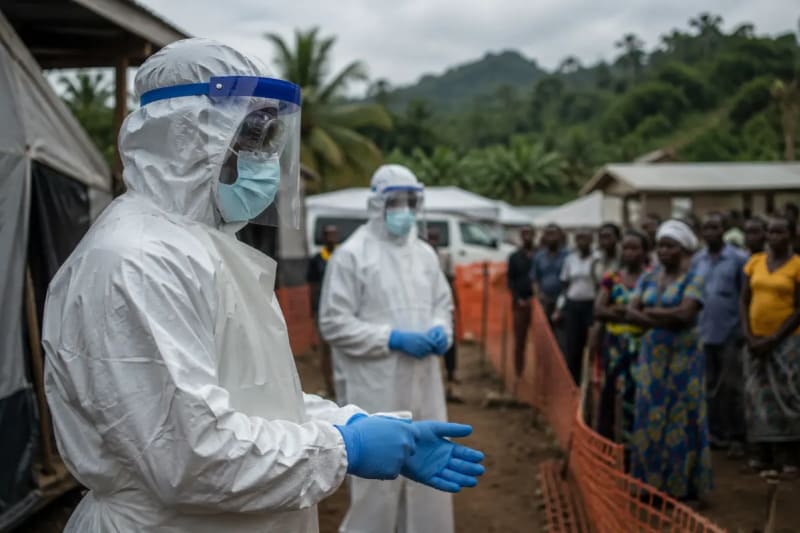
Borno State’s health authorities, in collaboration with national and international partners, have ramped up response efforts to contain the outbreak. Measures include:
- Deployment of rapid response teams to affected areas to conduct case investigations and contact tracing.
- Distribution of chlorine tablets and oral rehydration salts to households and healthcare facilities.
- Public awareness campaigns to educate communities on cholera prevention, including safe water practices and hand hygiene.
- Scaling up of treatment centers to manage severe cases and prevent fatalities.
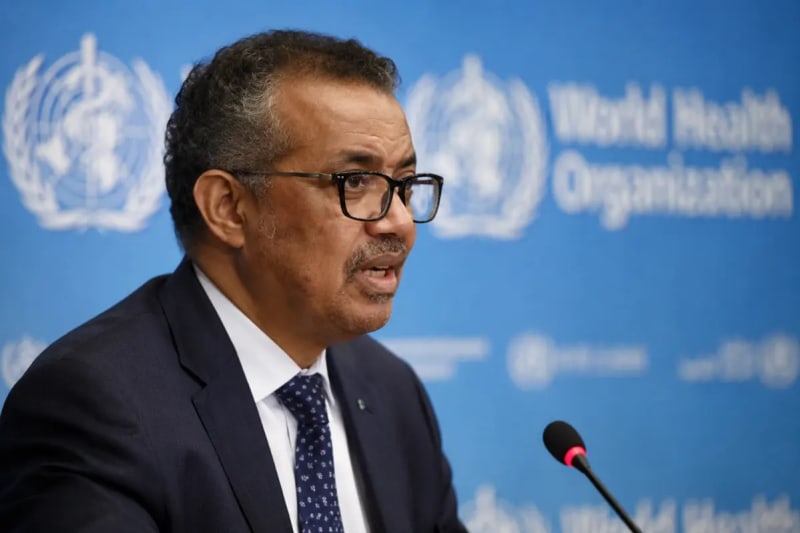
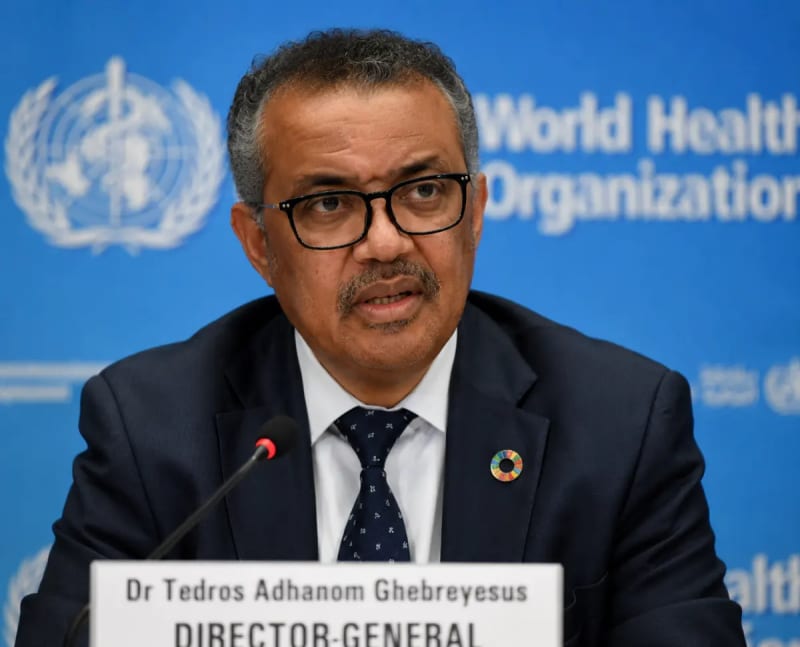
The World Health Organization WHO and other humanitarian agencies are providing technical support, including laboratory diagnostics and logistical assistance, to bolster the state’s response. However, challenges such as insecurity in certain areas and funding constraints continue to hinder efforts.
Prevention and Safety Guidance
Preventing cholera hinges on improving water, sanitation, and hygiene WASH practices. Key recommendations for individuals and communities include:
- Drinking only boiled, chlorinated, or bottled water, and avoiding untreated water from rivers or wells.
- Washing hands thoroughly with soap and clean water before eating, after using the toilet, and after handling food.
- Ensuring food is cooked thoroughly and eaten while hot, and avoiding raw or undercooked seafood.
- Disinfecting surfaces and utensils with chlorine solutions to prevent contamination.
- Seeking immediate medical attention if symptoms such as severe diarrhea or vomiting develop.
For healthcare providers, strict adherence to infection prevention and control protocols is essential to avoid nosocomial transmission.
What Readers Should Know
Cholera outbreaks are preventable with robust public health measures, but their rapid spread in crisis settings underscores the urgent need for sustained investment in water and sanitation infrastructure. For Borno State, this outbreak is a stark reminder of the compounded vulnerabilities faced by conflict affected populations. While response efforts are underway, the situation remains fluid, and continued vigilance is required to prevent further loss of life. Residents in affected areas should remain alert to symptoms and prioritize hygiene practices to protect themselves and their communities.
Key Takeaways
- Borno State has reported 4,204 suspected cholera cases, with 274 new infections in the last 24 hours, signaling a deepening public health crisis.
- Cholera spreads rapidly in conditions of poor sanitation and overcrowding, posing the greatest risk to internally displaced persons and vulnerable populations.
- Prevention relies on safe water practices, hand hygiene, and immediate medical care for symptoms like severe diarrhea or vomiting.
- Health authorities and partners are scaling up response efforts, but challenges such as insecurity and funding gaps persist.
Frequently Asked Questions
What is cholera and how does it spread?
Cholera is an acute diarrheal infection caused by the bacterium Vibrio cholerae. It spreads through contaminated water or food, particularly in areas with poor sanitation and hygiene. The disease can cause severe dehydration and death if untreated.
What are the symptoms of cholera?
Symptoms include sudden onset of profuse watery diarrhea, vomiting, and leg cramps. Rapid loss of body fluids can lead to dehydration and shock, which can be fatal without prompt treatment.
How can cholera be prevented?
Prevention involves drinking safe water (boiled, chlorinated, or bottled), practicing good hand hygiene, eating thoroughly cooked food, and avoiding raw or undercooked seafood. Disinfecting surfaces and utensils can also reduce transmission risk.
Who is most at risk during a cholera outbreak?
Vulnerable groups include children under five, the elderly, individuals with weakened immune systems, and those living in overcrowded or unsanitary conditions, such as displacement camps.
What should I do if I suspect cholera infection?
Seek immediate medical attention if you experience severe diarrhea or vomiting. Oral rehydration solutions can help manage mild cases, but severe dehydration requires intravenous fluids and professional care.
Medical Review: MedSense Editorial Board











DISCUSSION (0)
POST A COMMENT