What Happened
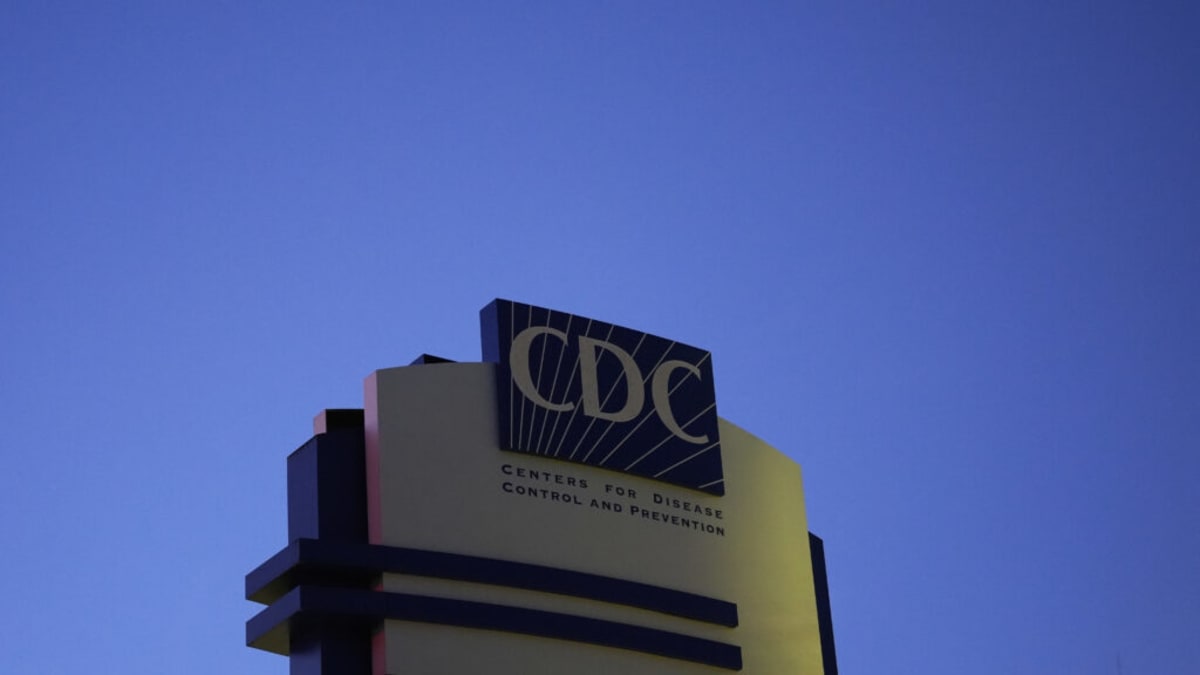
The CDC has put forward a plan to establish a new Office of Science, which would centralize the agency’s scientific functions under a single leadership structure. While the proposal is framed as an effort to streamline operations and improve coordination, it has drawn criticism from current and former public health officials who see it as a potential vehicle for increased political interference. The office would report directly to the CDC director, a position currently held by a political appointee, rather than operating independently as many of the agency’s scientific divisions do now.
This restructuring comes at a time when federal health agencies, including the CDC, have faced accusations of political meddling, particularly during the COVID 19 pandemic. Public health experts have expressed concern that the new office could further blur the lines between scientific research and political decision making, potentially compromising the agency’s ability to respond swiftly and impartially to health emergencies.
Why Public Health Officials Are Concerned
The CDC has historically operated with a degree of scientific independence, allowing its researchers and epidemiologists to make recommendations based on data rather than political considerations. The proposed Office of Science, however, could shift this dynamic by placing scientific oversight under the purview of leadership that is directly accountable to the White House. This structure raises questions about whether scientific findings could be suppressed, delayed, or altered to align with political priorities.
Former CDC officials and public health advocates warn that such a shift could have far reaching consequences. During the pandemic, the agency’s credibility suffered amid accusations that its guidance was influenced by political pressure, leading to confusion and eroding public trust. A centralized science office could exacerbate these concerns, particularly if it becomes a tool for vetting or modifying scientific reports before they are made public.
Who May Be Affected
The implications of this restructuring extend beyond the CDC itself. Public health agencies rely on the trust of the medical community, policymakers, and the general public to effectively communicate health guidance. If the proposed changes lead to perceptions of politicized science, it could undermine confidence in the CDC’s recommendations on issues ranging from vaccine safety to disease prevention strategies.
Healthcare providers, researchers, and state and local health departments could also face challenges if the CDC’s scientific output becomes less transparent or consistent. For example, during an outbreak, delayed or altered guidance could hinder timely responses, putting communities at greater risk. Additionally, international partners who collaborate with the CDC on global health initiatives may question the reliability of its data and recommendations.
Government Response and Broader Context
The CDC has not publicly released detailed plans for the proposed Office of Science, leaving many questions unanswered about its structure, authority, and safeguards for scientific integrity. However, the agency has emphasized that the goal is to improve coordination and efficiency, particularly in response to public health emergencies. A spokesperson stated that the restructuring aims to ensure that science remains at the forefront of the CDC’s mission, though specifics on how this will be achieved remain unclear.
This proposal is part of a broader trend of federal health agencies facing increased scrutiny and restructuring under political leadership. Similar concerns have been raised about other agencies, such as the Food and Drug Administration and the National Institutes of Health, where political appointees have taken on more prominent roles in scientific decision making. The outcome of the CDC’s restructuring could set a precedent for how science is governed within federal health agencies moving forward.
Prevention and Safety Guidance
While the debate over the CDC’s restructuring unfolds, public health experts urge policymakers and the public to remain vigilant about the potential risks of politicizing science. Transparency in decision making, clear communication about the role of political leadership in scientific processes, and robust mechanisms for protecting scientific integrity are critical to maintaining trust in public health institutions.
For healthcare providers and researchers, staying informed about these developments and advocating for evidence based policies will be essential. The medical community may also need to prepare for potential shifts in how the CDC disseminates guidance, ensuring that local health departments and clinical practices remain adaptable to changes in federal recommendations.
What Readers Should Know
The proposed restructuring at the CDC is not yet finalized, and its ultimate impact will depend on how the new Office of Science is implemented. Public health advocates are calling for greater transparency in the process, including opportunities for input from scientists, healthcare providers, and the public. Readers concerned about the integrity of public health science can engage with advocacy groups, contact their representatives, or participate in public comment periods if they become available.
It is also important to recognize that the CDC’s role extends beyond domestic health issues. As a global leader in public health, its credibility affects international collaborations on disease surveillance, vaccine distribution, and emergency response. The outcome of this debate could have implications far beyond U.S. borders, shaping how the world responds to future health threats.
Key Takeaways
- The CDC’s proposed Office of Science could centralize scientific decision making under political leadership, raising concerns about the agency’s independence.
- Public health experts warn that increased political oversight may undermine trust in the CDC’s guidance, particularly during health emergencies.
- The restructuring arrives amid broader debates over the role of politics in federal health agencies, with potential implications for global health collaborations.
- Transparency and safeguards for scientific integrity will be critical to maintaining public confidence in the CDC’s mission.
Frequently Asked Questions
What is the proposed Office of Science at the CDC?
The proposed Office of Science is a restructuring plan that would centralize the CDC’s scientific functions under a single leadership structure, reporting directly to the agency’s director. The goal, according to the CDC, is to improve coordination and efficiency, though critics fear it could increase political influence over scientific decision making.
Why are public health experts concerned about this proposal?
Experts worry that placing scientific oversight under political leadership could lead to decisions driven by policy agendas rather than evidence based research. This could erode the CDC’s credibility, particularly if scientific findings are suppressed, delayed, or altered to align with political priorities.
How might this restructuring affect the public?
If the CDC’s scientific output becomes less transparent or consistent, it could undermine public trust in the agency’s guidance on issues like vaccine safety, disease prevention, and outbreak response. Healthcare providers and international partners may also question the reliability of the CDC’s recommendations.
What can be done to protect scientific integrity at the CDC?
Advocates are calling for greater transparency in the restructuring process, including input from scientists, healthcare providers, and the public. Robust mechanisms for protecting scientific independence, such as clear separation between political leadership and scientific research, are also critical.
Medical Review: MedSense Editorial Board

















DISCUSSION (0)
POST A COMMENT