
For over a decade, the Bundibugyo strain of the Ebola virus has emerged sporadically in Central Africa, leaving public health officials with a critical unanswered question: where does it hide between human outbreaks? Unlike its more notorious relatives, Bundibugyo’s natural animal reservoir remains unidentified, creating a dangerous blind spot in efforts to predict, prevent, and contain future spillover events. With recent cases in Uganda and the Democratic Republic of Congo reigniting concerns, scientists are racing to solve this ecological puzzle before the next outbreak strikes.
What Happened
The Bundibugyo ebolavirus, first identified during a 2007 outbreak in Uganda, has since caused multiple human infections across East and Central Africa. While less deadly than the Zaire strain, it still carries a fatality rate of approximately 30 to 50 percent. What sets Bundibugyo apart is its elusive nature, unlike other Ebola viruses, which have been linked to fruit bats or primates, its natural host remains unknown. This gap in knowledge leaves communities vulnerable to unpredictable spillover events, where the virus jumps from animals to humans without warning.
Why Public Health Officials Are Concerned
Identifying the animal reservoir of a virus is a cornerstone of outbreak prevention. Without this information, surveillance efforts are limited, and early warning systems cannot be effectively deployed. For Bundibugyo, the lack of a known host means that even when human cases are detected, tracing the source of infection becomes nearly impossible. This uncertainty complicates containment strategies and increases the risk of undetected transmission, particularly in remote or conflict affected regions where healthcare infrastructure is already strained.
Who May Be Affected
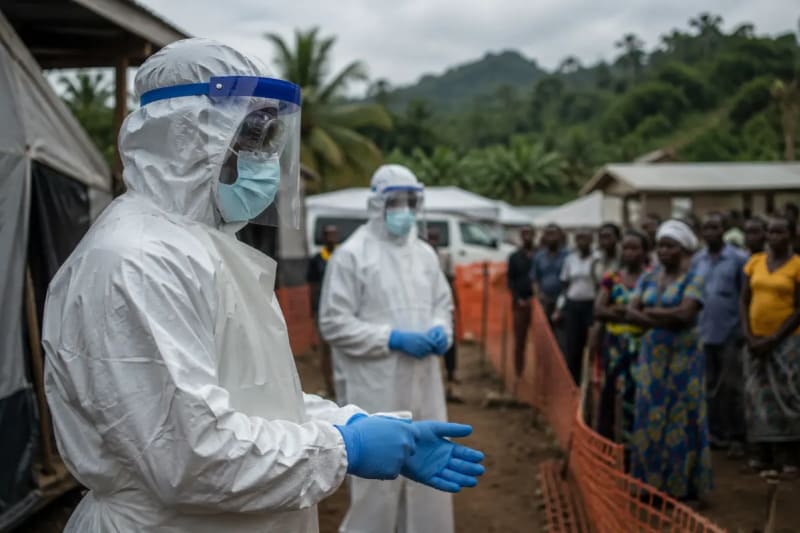
Communities in Uganda, the Democratic Republic of Congo, and surrounding regions are most at risk, particularly those living near forests or engaging in activities that bring them into close contact with wildlife. Healthcare workers treating infected patients are also vulnerable, as seen in past outbreaks where nosocomial transmission played a significant role. Additionally, the broader global health community remains on alert, given the potential for international spread through travel or trade.
Government and WHO Response
The World Health Organization and local health authorities have intensified surveillance in high risk areas, focusing on early detection and rapid response to human cases. However, without a clear understanding of the virus’s natural host, these efforts are reactive rather than preventive. Research teams, including those from the Uganda Virus Research Institute and international partners, are conducting ecological studies to test potential animal reservoirs, such as bats, rodents, and primates. These investigations involve sampling wildlife in outbreak zones and analyzing genetic data to identify matches with human strains.
Prevention and Safety Guidance
Until the reservoir is identified, public health officials emphasize the importance of basic infection control measures. These include:
- Avoiding contact with wild animals, particularly sick or dead ones, in areas where Ebola has been reported.
- Practicing strict hygiene, such as handwashing with soap and water, especially after handling animals or visiting markets.
- Ensuring safe burial practices to prevent transmission from deceased individuals.
- Healthcare workers should adhere to standard precautions, including the use of personal protective equipment when treating suspected cases.
What Readers Should Know
The search for Bundibugyo’s animal host is not just an academic exercise, it is a critical step in breaking the cycle of unpredictable outbreaks. While progress has been slow, advances in genomic sequencing and ecological modeling offer new tools for narrowing down the possibilities. For now, vigilance remains the best defense. Communities in high risk areas should stay informed about local health advisories and report any unusual animal deaths or human illnesses to authorities immediately. The mystery of Bundibugyo’s origin may persist, but proactive measures can still save lives.
Key Takeaways
- The Bundibugyo strain of Ebola virus lacks a confirmed animal reservoir, complicating outbreak prevention efforts.
- Identifying the host is essential for developing early warning systems and targeted surveillance in high risk regions.
- Communities in Uganda and the Democratic Republic of Congo remain most vulnerable, but global preparedness is also critical.
- Basic infection control measures, such as avoiding contact with wildlife and practicing hygiene, can reduce spillover risks.
Frequently Asked Questions
Why is it important to identify the animal reservoir of the Bundibugyo virus?
Knowing the natural host allows public health officials to monitor animal populations for signs of the virus, predict potential spillover events, and implement preventive measures before human outbreaks occur. Without this information, efforts to control the virus remain reactive rather than proactive.
How do scientists search for the animal reservoir of a virus?
Researchers conduct ecological studies in outbreak zones, collecting samples from potential host species such as bats, rodents, and primates. These samples are tested for the presence of the virus or antibodies, and genetic sequencing is used to compare findings with human strains. The process is time consuming and requires collaboration between virologists, ecologists, and local health authorities.
What can individuals do to protect themselves from Bundibugyo Ebola?
Avoid contact with wild animals, especially sick or dead ones, and practice good hygiene, such as regular handwashing. In outbreak areas, follow local health advisories, report unusual animal deaths or human illnesses, and ensure safe burial practices to prevent transmission.
Medical Review: MedSense Editorial Board
















DISCUSSION (0)
POST A COMMENT