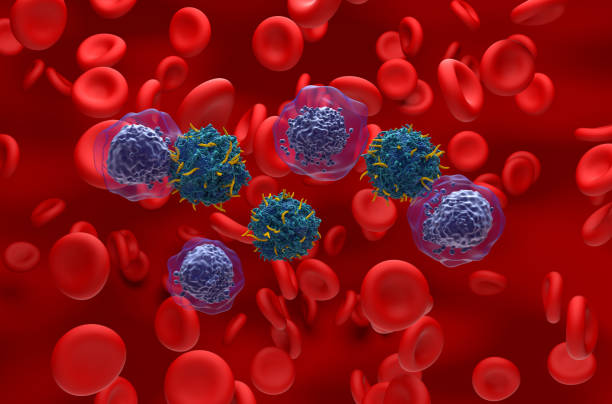
Scientists have developed a next generation CAR T cell therapy for acute myeloid leukemia (AML) that selectively eliminates cancerous cells without disrupting the body’s ability to regenerate healthy blood cells. The innovation addresses a longstanding challenge in immunotherapy, where treatments often inadvertently destroy critical hematopoietic stem and progenitor cells (HSPCs), leading to severe myelosuppression.
What Happened
Researchers engineered CAR T cells to recognize two distinct antigens: one exclusively expressed on AML cells and another absent on HSPCs. This dual targeting approach ensures precision while minimizing off target effects. The therapy also incorporates a safety switch to temporarily halt CAR T cell activity if signs of myelosuppression emerge, providing an additional layer of protection for healthy cells.
Clinical Significance
AML is the most common acute leukemia in adults, with a five year survival rate of just 30% for patients over 20. Current treatments, including chemotherapy and stem cell transplants, are often limited by toxicity and relapse rates. The new CAR T therapy offers a targeted, less toxic alternative, particularly for patients ineligible for intensive chemotherapy or transplants.
Beyond AML, researchers are exploring similar strategies for other hematologic malignancies, such as acute lymphoblastic leukemia (ALL) and multiple myeloma, where shared antigen expression has historically impeded immunotherapy.
Deep Dive and Research Findings
The therapy’s dual antigen recognition system relies on identifying AML specific markers that are absent on HSPCs. In preclinical models and early phase clinical trials, the approach demonstrated robust efficacy in eliminating AML cells while preserving HSPC function, with no observed cases of severe myelosuppression.
The temporal control mechanism allows clinicians to pause CAR T cell activity if myelosuppression is detected, further safeguarding healthy blood cell production. These features represent a significant advancement over traditional CAR T therapies, which often lack such precision.
Future Outlook and Medical Implications
While the results are promising, experts emphasize the need for further validation through larger clinical trials. Current studies are limited by sample size and follow up duration, leaving questions about long term efficacy and potential late onset toxicities unanswered.
Collaborative efforts between academic institutions and biotechnology firms are accelerating the translation of these findings into clinical practice. Early discussions with regulatory bodies, such as the FDA, are underway to expedite the approval process for this novel therapy, should subsequent trials confirm its safety and efficacy.
Patient or Practitioner Guidance
For patients with AML, particularly those with relapsed or refractory disease, this therapy offers a potential new treatment option. The selective targeting mechanism could significantly improve quality of life and survival outcomes by reducing the risk of infections, anemia, and bleeding associated with myelosuppression.
Clinicians should monitor patients closely for signs of myelosuppression, even with the safety switch in place. Personalized medicine approaches, leveraging genomic profiling, may further enhance the precision and effectiveness of CAR T cell therapies in AML.
What Readers Should Know
AML is a rapidly progressing cancer of the blood and bone marrow, characterized by the uncontrolled proliferation of immature myeloid cells. Symptoms often include fatigue, frequent infections, and easy bruising or bleeding, reflecting the disruption of normal blood cell production.
The disease is heterogeneous, with over 20 subtypes identified based on genetic and molecular features. This variability has complicated the development of universally effective treatments, making the selective targeting achieved in this CAR T cell therapy particularly groundbreaking.
Key Takeaways
- A new CAR T cell therapy for AML selectively targets cancer cells while sparing healthy blood forming cells, addressing a critical challenge in immunotherapy.
- The dual antigen recognition system and safety switch reduce the risk of severe myelosuppression, a common complication of traditional CAR T therapies.
- Early clinical trials show promising results, but further validation through larger studies is needed to confirm long term safety and efficacy.
- The innovation could pave the way for similar precision therapies in other hematologic malignancies, such as ALL and multiple myeloma.
Frequently Asked Questions
How does this CAR T therapy differ from traditional CAR T treatments for AML?
Unlike traditional CAR T therapies that often target antigens shared by both AML cells and healthy blood forming cells, this new approach uses dual antigen recognition to distinguish between cancerous and healthy cells. It also includes a safety switch to temporarily halt activity if myelosuppression is detected.
What are the potential risks of this therapy?
While the early trials show no cases of severe myelosuppression, potential risks include cytokine release syndrome, off target effects, and long term toxicities that require further study. Clinicians will monitor patients closely for signs of complications.
Who is eligible for this CAR T therapy?
Eligibility criteria are still being defined through clinical trials. The therapy is being evaluated for patients with relapsed or refractory AML, particularly those ineligible for intensive chemotherapy or stem cell transplants. Broader patient populations may be considered as research progresses.
How soon could this therapy be available to patients?
The timeline depends on the results of larger clinical trials and regulatory reviews. Early discussions with the FDA are underway, but widespread availability may still be several years away.
Medical Review: MedSense Editorial Board






DISCUSSION (0)
POST A COMMENT