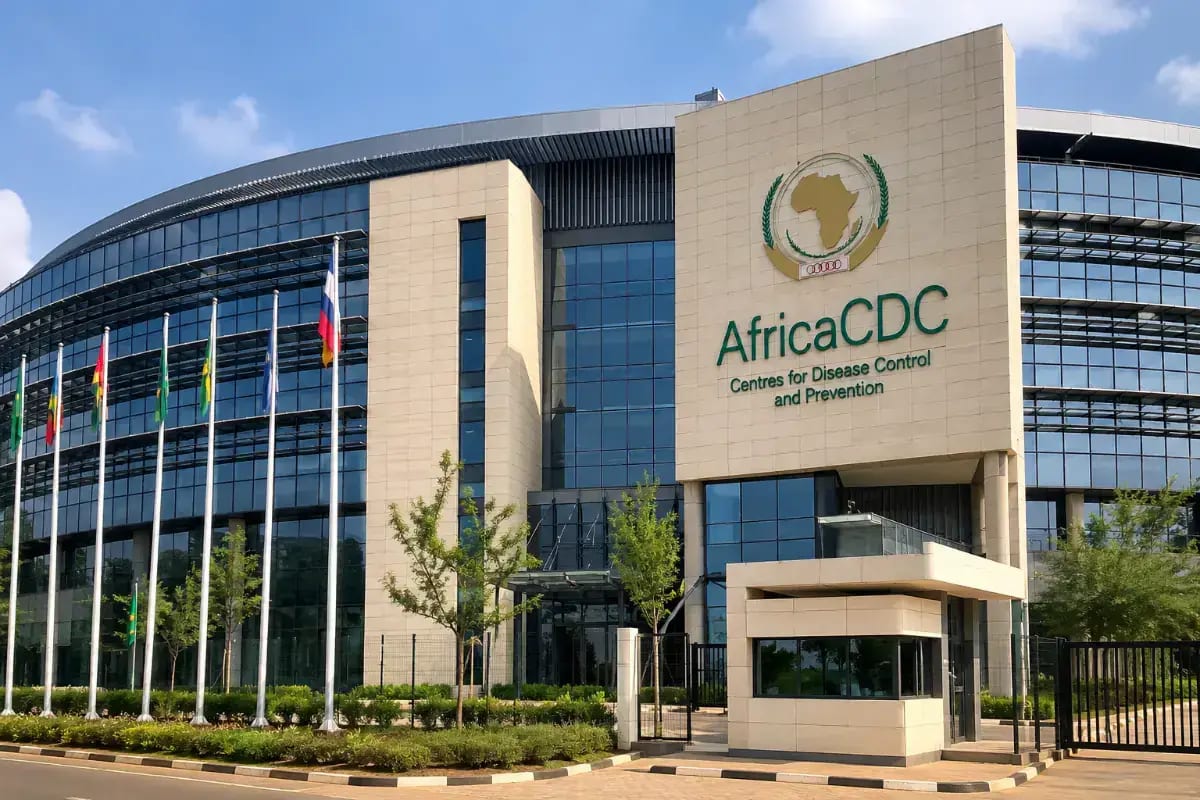
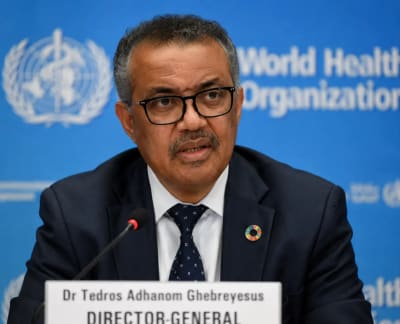
The Africa Centres for Disease Control and Prevention and the World Health Organization have issued an urgent call for a community driven Ebola response in the Democratic Republic of the Congo. With cases rising, the agencies emphasize the need for early detection, rigorous contact tracing, improved access to care, and faster resource deployment to affected areas. Frontline health workers also require immediate support to curb the outbreak before it spreads further.
Latest Developments
The Africa Centres for Disease Control and Prevention (Africa CDC) and the World Health Organization (WHO) have jointly called for an immediate and community led escalation of efforts to contain the Ebola outbreak in the Democratic Republic of the Congo (DRC). The appeal comes as transmission rates show signs of acceleration in affected regions, raising concerns about wider spread.
In a coordinated statement, both agencies stressed that the response must prioritize early detection of cases, thorough contact tracing, and rapid isolation of infected individuals. They also highlighted critical gaps in resource distribution, noting that delays in delivering medical supplies, protective equipment, and funding are hampering frontline efforts.
Why This Matters
The DRC has battled multiple Ebola outbreaks in recent years, with the virus proving particularly challenging to control in conflict affected and densely populated areas. This latest surge risks overwhelming local health systems, which are already strained by limited infrastructure and ongoing security concerns. Without swift intervention, the outbreak could spill across borders, threatening regional stability.
Africa CDC and WHO warn that community engagement is the cornerstone of an effective response. Past outbreaks have demonstrated that resistance to public health measures, fueled by misinformation and distrust, can derail containment efforts. The agencies are urging local leaders, religious figures, and grassroots organizations to play an active role in educating communities and encouraging adherence to safety protocols.
Response Efforts
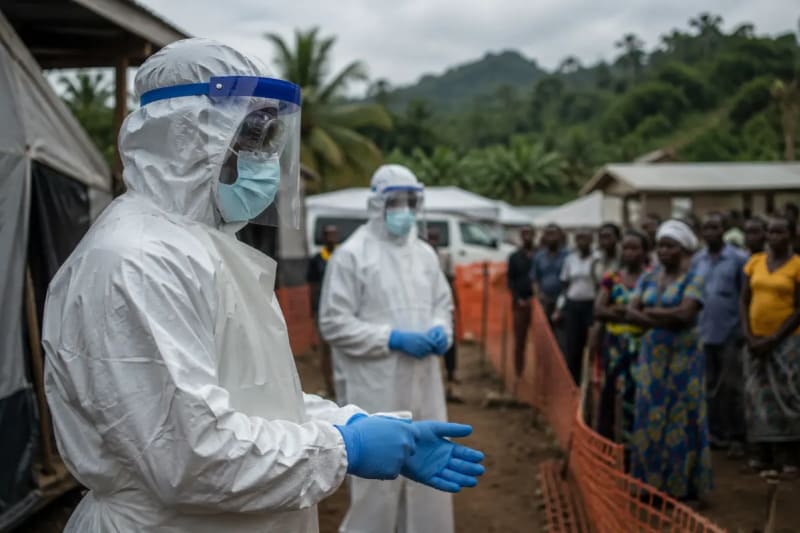
Current response strategies focus on three key areas: strengthening surveillance, ensuring safe and dignified burials, and expanding vaccination campaigns. Health workers are being deployed to hotspots to conduct door to door screenings, while mobile laboratories are being set up to reduce diagnostic delays. Vaccination teams are targeting high risk groups, including healthcare workers and contacts of confirmed cases, using the rVSV ZEBOV vaccine, which has shown high efficacy in previous outbreaks.
However, logistical challenges persist. Remote locations, poor road networks, and intermittent violence in some areas are complicating efforts to reach affected populations. The agencies are calling for increased international support to address these barriers, including airlifts of supplies and additional funding for local response teams.
Public Health Impact
The outbreak poses a significant threat to public health in the DRC and neighboring countries. Ebola, a highly contagious virus with a fatality rate of up to 90% in some outbreaks, spreads through direct contact with bodily fluids of infected individuals or contaminated surfaces. The virus can also persist in survivors, leading to potential flare ups months or years after an outbreak appears contained.
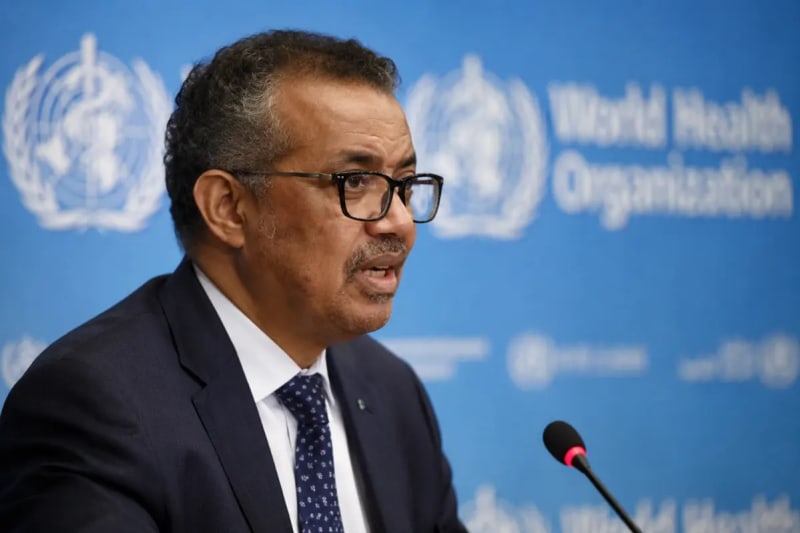
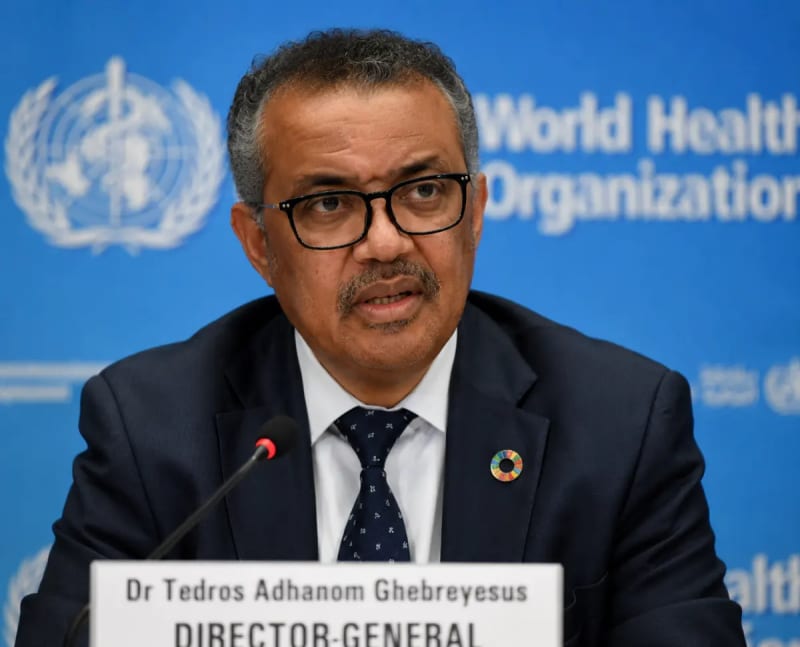
WHO has activated its Emergency Response Framework, coordinating with partners to mobilize resources and expertise. The agency has also deployed epidemiologists, clinicians, and logisticians to support the DRC Ministry of Health. Meanwhile, Africa CDC is leveraging its regional networks to facilitate cross border collaboration and information sharing.
What's Next
The coming weeks will be critical in determining the trajectory of the outbreak. Success hinges on the ability to scale up response efforts rapidly while maintaining community trust. Both agencies have pledged to work closely with local authorities to ensure transparency and accountability in resource allocation.
International donors are being urged to step up financial and technical support, with a particular focus on sustaining long term preparedness. The WHO has warned that underfunding could lead to repeated cycles of outbreaks, as seen in previous years. A high level meeting is scheduled next week to align global partners on a unified response strategy.
Key Takeaways
- Africa CDC and WHO are calling for an urgent, community led Ebola response in the DRC to prevent wider spread.
- Key priorities include early detection, contact tracing, vaccination, and faster resource delivery to affected areas.
- Logistical challenges and security risks are complicating response efforts, requiring increased international support.
Frequently Asked Questions
What is Ebola and how does it spread?
Ebola is a severe, often fatal illness caused by the Ebola virus. It spreads through direct contact with bodily fluids of infected people or contaminated surfaces.
Why is community engagement important in stopping Ebola?
Community trust and participation are critical for effective contact tracing, safe burials, and vaccination uptake. Resistance due to misinformation can undermine containment efforts.
What is being done to contain the current outbreak?
Response efforts include door to door screenings, vaccination campaigns, mobile laboratories, and international coordination to deliver supplies and expertise.
Published by O. Ayodeji | Review by MedSense Editorial Board













DISCUSSION (0)
POST A COMMENT