
What Happened
Adamawa State Government has initiated its 2026 malaria prevention campaign, focusing on two key interventions: Integrated Seasonal Malaria Chemoprevention and the distribution of insecticide treated nets. The campaign, launched in late June, targets children aged 3 to 59 months with a full course of antimalarial medicines administered over four monthly cycles. Concurrently, households across the state are receiving long lasting insecticidal nets to provide sustained physical protection against mosquito bites.
Why Public Health Officials Are Concerned
Malaria is not just a health issue in Nigeria; it is a development challenge. The disease perpetuates cycles of poverty by reducing productivity, increasing healthcare costs, and straining already fragile health systems. In Adamawa, where conflict and displacement have disrupted health services, seasonal malaria transmission poses an additional risk to vulnerable communities. Public health experts emphasize that without sustained prevention efforts, malaria can reverse decades of progress in child survival and economic stability.
The timing of the campaign is critical. The rainy season, which typically runs from May to October, creates ideal breeding conditions for Anopheles mosquitoes, the primary vectors of malaria. Studies have shown that implementing SMC during this period can reduce malaria cases by up to 75 percent in children under five, making it one of the most cost effective interventions available.
Who May Be Affected
The campaign prioritizes children under five, who are at highest risk of severe malaria and death. Pregnant women, another high risk group, are also targeted through antenatal care services. However, the benefits extend beyond these groups. By reducing overall malaria transmission, the entire community experiences lower infection rates. This is particularly important in rural and hard to reach areas where access to treatment remains limited.
Government and Partner Response
The Adamawa State Ministry of Health is leading the campaign in collaboration with national malaria control programs and international partners, including the Global Fund and the World Health Organization. Governor Ahmadu Fintiri, speaking at the launch, underscored the state’s commitment to reducing malaria related deaths. "This campaign is not just about distributing nets and medicines," he stated. "It is about saving lives, protecting our children, and building a healthier future for Adamawa."
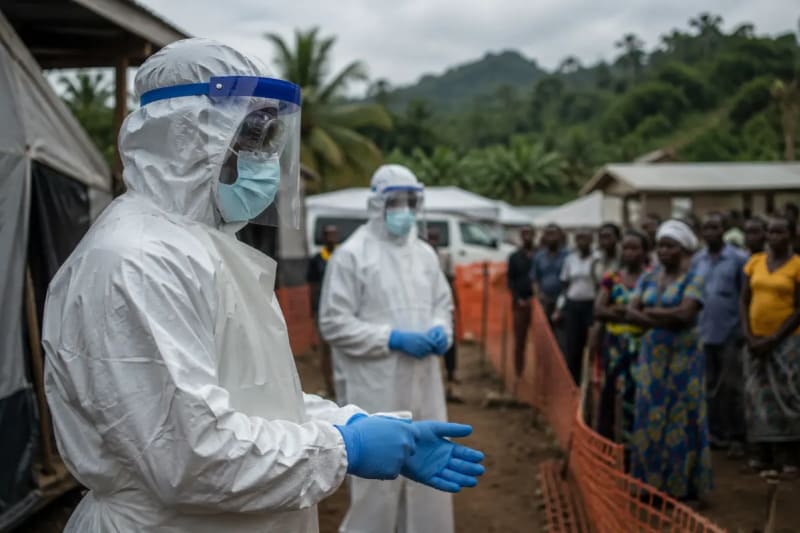
Logistical support has been mobilized to ensure coverage across all 21 local government areas, including remote and conflict affected zones. Community health workers, trained to administer SMC drugs and educate families on net use, play a central role in the campaign’s implementation.
Prevention and Safety Guidance
For families in Adamawa and other malaria endemic regions, prevention remains the best defense. The following measures are recommended:
- Use insecticide treated nets every night: Sleeping under a net is one of the simplest and most effective ways to prevent mosquito bites. Nets should be properly tucked in and free of holes.
- Follow SMC dosing schedules: Parents and caregivers should ensure children complete all four cycles of antimalarial medicines, even if they appear healthy. Skipping doses reduces protection.
- Eliminate mosquito breeding sites: Standing water in containers, tires, or puddles should be drained or treated with larvicides to prevent mosquito proliferation.
- Seek prompt treatment: Fever, chills, or flu like symptoms in children should be evaluated immediately. Early diagnosis and treatment with artemisinin based combination therapy can prevent complications.
- Pregnant women should attend antenatal care: Intermittent preventive treatment during pregnancy significantly reduces the risk of maternal anemia and low birth weight.
What Readers Should Know
Adamawa’s 2026 malaria prevention campaign represents more than a routine public health exercise; it is a lifeline for thousands of families. While progress has been made in reducing malaria deaths globally, Nigeria continues to shoulder a disproportionate share of the burden. Seasonal interventions like SMC, when combined with net distribution and community engagement, offer a proven pathway to reducing transmission and saving lives.
For residents of Adamawa, participation in the campaign is not just encouraged; it is a critical step toward protecting the most vulnerable. For policymakers and health leaders across Nigeria, the initiative serves as a scalable model that can be adapted to other high burden states. The fight against malaria is far from over, but with targeted, evidence based interventions, progress is within reach.
Key Takeaways
- Adamawa State has launched its 2026 malaria prevention campaign, combining seasonal chemoprevention for children and insecticide treated net distribution.
- Malaria remains a leading cause of death in Nigeria, particularly among children under five and pregnant women.
- Seasonal Malaria Chemoprevention can reduce malaria cases by up to 75 percent in high risk children when implemented during peak transmission months.
- The campaign targets all 21 local government areas, including remote and conflict affected communities, with support from global health partners.
- Prevention measures such as net use, eliminating breeding sites, and prompt treatment are essential for reducing malaria transmission.
Frequently Asked Questions
What is Seasonal Malaria Chemoprevention (SMC)?
SMC is a preventive strategy that involves administering a full course of antimalarial medicines to children aged 3 to 59 months during the peak malaria transmission season. The goal is to maintain therapeutic drug levels in the blood to prevent infection and severe disease.
Who is eligible to receive SMC in Adamawa?
Children between the ages of 3 and 59 months are eligible for SMC. The campaign targets this age group because they are at highest risk of severe malaria and death.
How effective are insecticide treated nets in preventing malaria?
Insecticide treated nets are highly effective when used consistently. They provide a physical barrier against mosquito bites and kill mosquitoes that come into contact with the net, reducing transmission by up to 50 percent in some settings.
What should parents do if their child misses a dose of SMC medicine?
Parents should contact their local health worker or community distributor as soon as possible. Missing a dose reduces protection, so it is important to complete the full four cycle course.
How can communities support the malaria prevention campaign?
Communities can support the campaign by encouraging participation, ensuring proper net use, eliminating mosquito breeding sites, and spreading awareness about the importance of prevention and early treatment.
Medical Review: MedSense Editorial Board













DISCUSSION (0)
POST A COMMENT