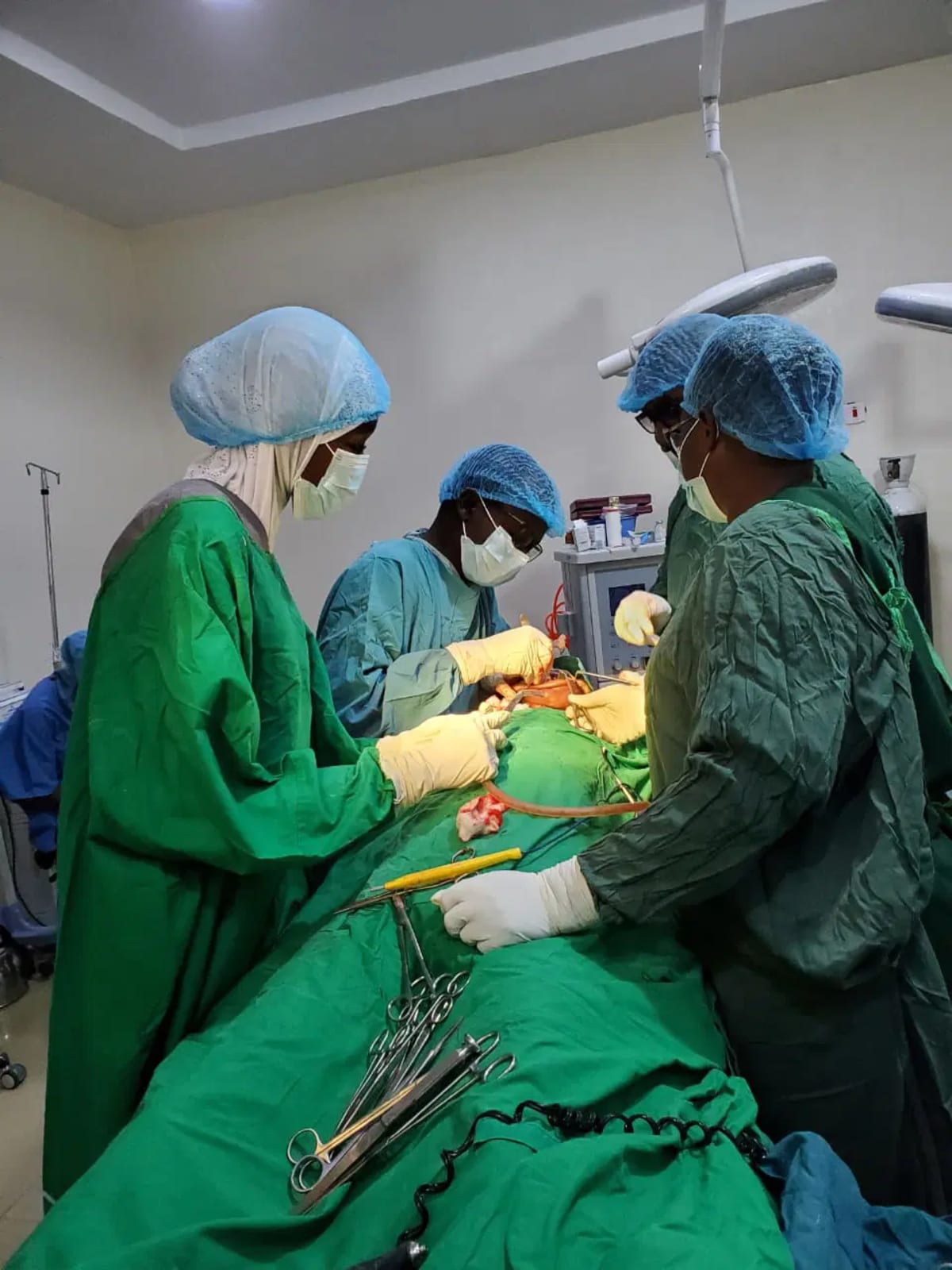
In a landmark achievement for regional healthcare, Yobe State Specialist Hospital in Damaturu has successfully performed its first segmental mandibulectomy with reconstruction, a complex maxillofacial procedure that removes and rebuilds part of the lower jaw. The surgery, conducted at a state owned facility, represents the first of its kind in Northeast Nigeria and signals a significant expansion of specialized surgical capacity in the region. The procedure, known as a segmental mandibulectomy, is typically reserved for patients with advanced jaw tumors, severe trauma, or congenital deformities that cannot be treated through less invasive methods. Its successful completion at a state level hospital not only improves access to advanced care for residents but also reduces the need for costly referrals to distant tertiary centers. For a region long challenged by limited medical infrastructure, this milestone offers a glimpse of progress in building local surgical expertise.
Clinical Significance
A segmental mandibulectomy with reconstruction is one of the most technically demanding procedures in maxillofacial surgery. It involves the precise removal of a diseased or damaged section of the mandible, followed by immediate reconstruction using bone grafts, metal plates, or microvascular flaps. The goal is to restore both function and appearance, allowing patients to speak, eat, and breathe normally after recovery.
This type of surgery is critical for treating oral cancers, particularly in regions where late stage diagnoses are common due to limited access to early screening. It also plays a vital role in trauma care, especially in areas prone to road accidents or conflict related injuries. By performing this procedure locally, Yobe State Specialist Hospital eliminates the logistical and financial barriers that often prevent patients from receiving timely treatment.
Deep Dive and Research Findings
The success of this surgery reflects years of investment in surgical training, equipment, and infrastructure at the hospital. While the procedure itself is well established in major teaching hospitals across Nigeria, its execution in a state owned facility in the Northeast is unprecedented. This achievement suggests a growing trend of decentralizing advanced medical care, bringing specialized services closer to underserved populations.
Maxillofacial surgery requires a multidisciplinary team, including oral and maxillofacial surgeons, anesthesiologists, radiologists, and nursing staff trained in postoperative care. The ability to assemble and coordinate such a team speaks to the hospital’s capacity to handle complex cases independently. It also sets a precedent for other state owned hospitals to develop similar capabilities, potentially transforming the surgical landscape in Northern Nigeria.
Future Outlook and Medical Implications
The successful completion of this procedure could pave the way for further advancements in maxillofacial and reconstructive surgery within the region. Hospitals in neighboring states may now look to Yobe as a model for building their own surgical programs, particularly in areas where patients previously had to travel hundreds of kilometers for specialized care.
Beyond maxillofacial surgery, this milestone may encourage investment in other high acuity specialties, such as neurosurgery, cardiothoracic surgery, and advanced orthopedics. For patients, this means reduced travel costs, shorter wait times, and improved outcomes due to continuity of care within their home state.
Patient or Practitioner Guidance
For patients in Northeast Nigeria requiring complex jaw surgery, this development offers new hope. Those diagnosed with oral cancer, severe jaw trauma, or congenital deformities should consult their healthcare providers about the possibility of receiving treatment locally rather than seeking care in distant cities like Lagos or Abuja. Early referral to Yobe State Specialist Hospital could lead to faster intervention and better long term results.
For medical professionals, this achievement underscores the importance of continuous training and collaboration. Surgeons and support staff interested in maxillofacial surgery should seek opportunities for hands on experience and mentorship, particularly in high volume centers. Hospitals looking to replicate this success should prioritize investments in surgical equipment, imaging technology, and specialized training programs.
Key Takeaways
- Yobe State Specialist Hospital has performed the first segmental mandibulectomy with reconstruction in Northeast Nigeria, marking a major advancement in local surgical capacity.
- The procedure is critical for treating advanced jaw tumors, trauma, and congenital deformities, and its local availability reduces the need for costly referrals to distant hospitals.
- This milestone reflects progress in decentralizing advanced medical care and could inspire similar developments in other state owned facilities across Northern Nigeria.
Frequently Asked Questions
What is a segmental mandibulectomy with reconstruction?
A segmental mandibulectomy with reconstruction is a surgical procedure that involves removing a diseased or damaged section of the lower jaw and immediately rebuilding it using bone grafts, metal plates, or tissue from other parts of the body. This restores both function and appearance for patients with conditions like oral cancer, severe trauma, or congenital deformities.
Why is this surgery significant for Northeast Nigeria?
This surgery is significant because it was performed for the first time in a state owned hospital in Northeast Nigeria. Previously, patients requiring this level of care had to travel to major cities like Lagos or Abuja, which is costly and logistically challenging. The procedure’s success at Yobe State Specialist Hospital means local patients can now access advanced care closer to home.
Who might need this type of surgery?
Patients with advanced oral cancers, severe jaw trauma from accidents or violence, or congenital deformities that affect jaw function may require a segmental mandibulectomy. The procedure is typically recommended when less invasive treatments are insufficient to address the condition.
What does this achievement mean for healthcare in the region?
This achievement demonstrates that state owned hospitals in Northeast Nigeria can develop the expertise and infrastructure to perform complex surgeries. It could encourage further investment in specialized medical training and equipment, improving access to advanced care for millions of residents and reducing reliance on distant tertiary hospitals.
Medical Review: MedSense Editorial Board


DISCUSSION (0)
POST A COMMENT