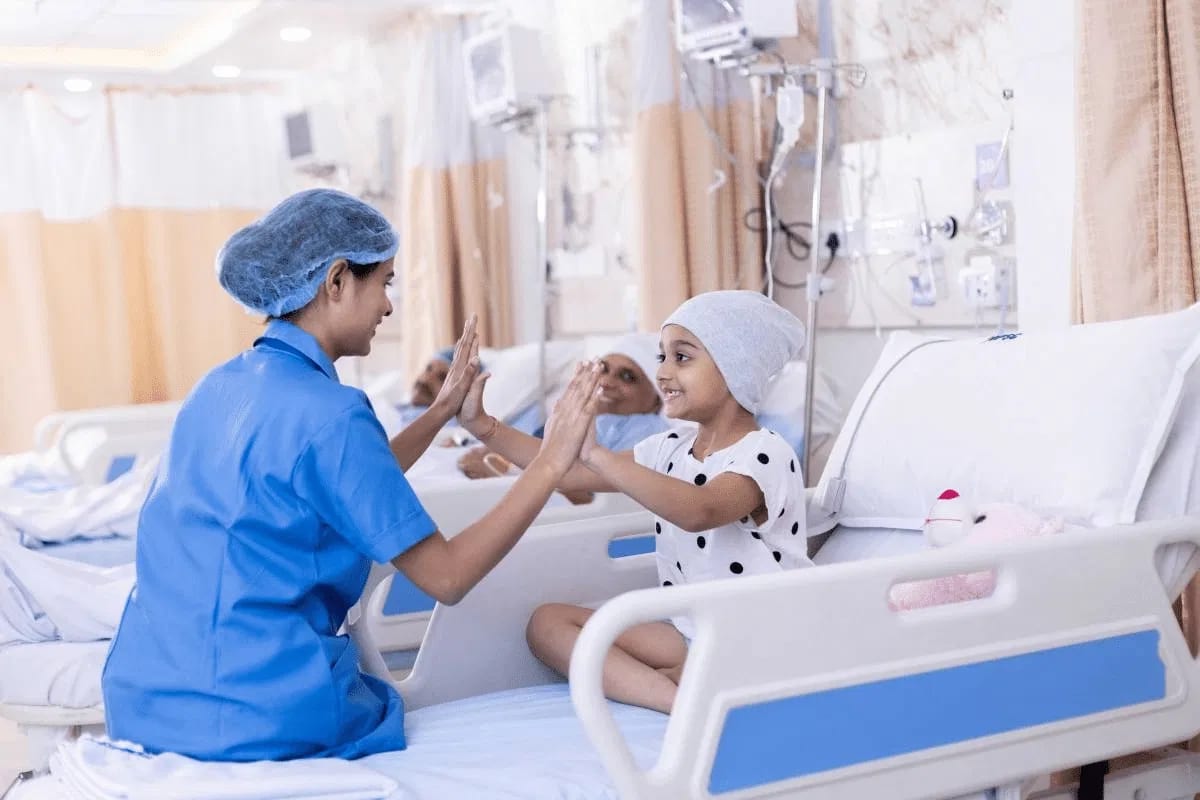
Across Africa, a silent crisis is unfolding as chronic respiratory diseases in children surge, fueled by rapid urbanization, industrial pollution, and limited access to specialized care. For families watching their children struggle with conditions like cystic fibrosis, asthma, or bronchiectasis, the future can feel bleak. Yet a groundbreaking study presented at the 2026 American Thoracic Society (ATS) International Conference offers a beacon of hope: pediatric pulmonary rehabilitation (PR) is not just a supportive measure, but a lifeline that can dramatically improve a child’s quality of life, even when lung function remains unchanged.
What Happened
A landmark study presented at the 2026 ATS International Conference analyzed data from hundreds of children with chronic respiratory diseases, including cystic fibrosis, asthma, and bronchiectasis. The research found that structured pulmonary rehabilitation programs—combining exercise, education, and support—led to significant improvements in physical functioning, emotional well-being, and daily living activities. Crucially, these benefits were observed even in cases where lung function tests showed little to no improvement.
The study challenges the long-held belief that lung function metrics alone determine a child’s respiratory health. Instead, it highlights the broader impact of chronic respiratory diseases on a child’s ability to thrive socially, academically, and emotionally. The findings underscore the urgent need to expand access to pediatric PR programs, particularly in regions where healthcare resources are scarce.
Why Public Health Officials Are Concerned
Chronic respiratory diseases in children are on the rise across Africa, driven by environmental and systemic factors. Rapid urbanization and industrialization have led to alarming spikes in air pollution, particularly in major cities like Lagos, Nairobi, and Johannesburg. According to the World Health Organization (WHO), exposure to fine particulate matter (PM2.5) is linked to a growing burden of respiratory illnesses in children, exacerbating conditions like asthma and bronchiectasis.
Compounding the issue is the severe shortage of pediatric pulmonologists and rehabilitation centers. Many families lack access to specialized care, leaving children trapped in a cycle of declining health, increased hospitalizations, and reliance on costly medications. The study’s findings emphasize that without intervention, children with chronic respiratory diseases face progressive physical decline, social isolation, and a lifetime of limitations that could have been prevented with early rehabilitation.
Symptoms or Risk Factors
Chronic respiratory diseases in children often manifest through a range of symptoms that extend beyond traditional lung function metrics. Parents and caregivers should be vigilant for signs such as:
- Persistent coughing, especially at night or during physical activity
- Wheezing or difficulty breathing
- Fatigue or reduced stamina during play or exercise
- Frequent respiratory infections or prolonged recovery periods
- Shortness of breath during routine activities
- Depression, anxiety, or social withdrawal due to breathlessness
Children with pre-existing conditions like cystic fibrosis, asthma, or bronchiectasis are at higher risk, but environmental factors such as air pollution and secondhand smoke exposure can also contribute to the development of chronic respiratory diseases.
Who May Be Affected
The burden of chronic respiratory diseases in children disproportionately affects low- and middle-income countries, particularly in Africa. Urban areas with high levels of industrial pollution and poor air quality are hotspots for respiratory illnesses. Children from low-income families, who often lack access to healthcare and preventive services, are particularly vulnerable.
Additionally, children with genetic predispositions to respiratory conditions, such as cystic fibrosis, are at heightened risk. The study highlights the urgent need for targeted interventions in these populations to prevent long-term health complications and improve quality of life.
Government or WHO Response
The WHO has long emphasized the importance of integrating pulmonary rehabilitation into national health strategies, particularly for vulnerable populations. In response to the growing burden of chronic respiratory diseases, the WHO’s Global Action Plan for the Prevention and Control of Noncommunicable Diseases (NCDs) includes recommendations for expanding access to rehabilitation services, including pediatric PR programs.
However, implementation remains a challenge in many African countries due to limited healthcare infrastructure, funding constraints, and a shortage of trained professionals. The study’s findings call for urgent action from governments and health authorities to prioritize pediatric PR programs as a cost-effective and life-changing intervention.
Prevention and Safety Guidance
While pulmonary rehabilitation is a critical intervention for children already diagnosed with chronic respiratory diseases, prevention remains the cornerstone of public health. Families and communities can take proactive steps to reduce the risk of respiratory illnesses in children:
- Reduce exposure to air pollution: Limit outdoor activities during high-pollution days, use air purifiers indoors, and advocate for policies that reduce industrial emissions and vehicle exhaust.
- Promote smoke-free environments: Avoid smoking indoors and protect children from secondhand smoke exposure, which can exacerbate respiratory conditions.
- Encourage physical activity: Regular exercise, such as walking, swimming, or cycling, can improve lung health and overall fitness. Consult a healthcare provider for tailored recommendations.
- Ensure timely medical care: Regular check-ups with a pediatrician can help identify respiratory issues early, allowing for prompt intervention and management.
- Advocate for policy change: Support local initiatives to expand access to pediatric PR programs and improve air quality standards in your community.
What Readers Should Know
The study’s findings challenge the conventional wisdom that lung function is the sole measure of a child’s respiratory health. Instead, it highlights the transformative power of pulmonary rehabilitation in restoring dignity, independence, and joy to young lives. For families in Africa, where healthcare resources are often stretched thin, this research could mean the difference between a childhood spent gasping for air and one filled with laughter, play, and possibility.
Pulmonary rehabilitation is not a luxury, but a necessity for children with chronic respiratory diseases. If your child has been diagnosed with a condition like asthma, cystic fibrosis, or bronchiectasis, it is critical to demand access to a pediatric PR program. Even in regions where such programs are scarce, families can take steps to incorporate rehabilitation principles at home, such as deep breathing exercises, gentle physical activity, and emotional support.
The future of your child’s health—and their childhood—depends on proactive intervention. By advocating for access to pediatric PR programs and adopting preventive measures, families can help ensure that every child has the opportunity to thrive.
Key Takeaways
- Pediatric pulmonary rehabilitation can significantly improve the quality of life for children with chronic respiratory diseases, even when lung function remains unchanged.
- Chronic respiratory diseases in children are rising in Africa due to air pollution, limited access to care, and underestimation of their broader impact on daily life.
- Symptoms of chronic respiratory diseases in children extend beyond lung function metrics and include fatigue, social withdrawal, and frequent infections.
- Families should advocate for access to pediatric PR programs and adopt preventive measures like reducing air pollution exposure and promoting physical activity.
- Governments and health authorities must prioritize pediatric PR programs as a cost effective and life changing intervention for vulnerable populations.
Frequently Asked Questions
What is pediatric pulmonary rehabilitation, and how does it work?
Pediatric pulmonary rehabilitation is a structured program designed to improve the physical, emotional, and social well being of children with chronic respiratory diseases. It typically includes exercise training, education about lung health, breathing techniques, nutritional counseling, and psychological support. The goal is to enhance a child’s ability to perform daily activities, reduce symptoms like breathlessness, and improve overall quality of life.
Can pulmonary rehabilitation improve lung function in children?
While pulmonary rehabilitation can improve physical functioning and quality of life, its impact on lung function varies. Some children may experience little to no improvement in lung function tests, but still benefit significantly from increased stamina, reduced symptoms, and enhanced daily living activities. The focus of PR is on holistic health, not just lung function metrics.
How can families access pediatric pulmonary rehabilitation programs in Africa?
Access to pediatric PR programs varies by region. Families should start by asking their pediatrician for a referral to a specialized center. If no local program exists, they can inquire about tele rehabilitation options or advocate for the development of such programs in their community. Support groups and patient advocacy organizations can also provide guidance on available resources.
What are the long term benefits of pediatric pulmonary rehabilitation?
The long term benefits of pediatric PR include improved physical fitness, reduced hospitalizations, better emotional well being, and enhanced social engagement. By addressing the broader impact of chronic respiratory diseases, PR helps children lead more active, independent, and fulfilling lives. Early intervention is key to preventing long term complications.
How can communities reduce air pollution to protect children’s respiratory health?
Communities can advocate for policies that reduce industrial emissions, promote public transportation, and enforce air quality standards. Families can limit outdoor activities during high pollution days, use air purifiers indoors, and avoid smoking indoors. Supporting green initiatives and urban planning that prioritizes clean air can also make a significant difference.
Medical Review: MedSense Editorial Board


DISCUSSION (0)
POST A COMMENT