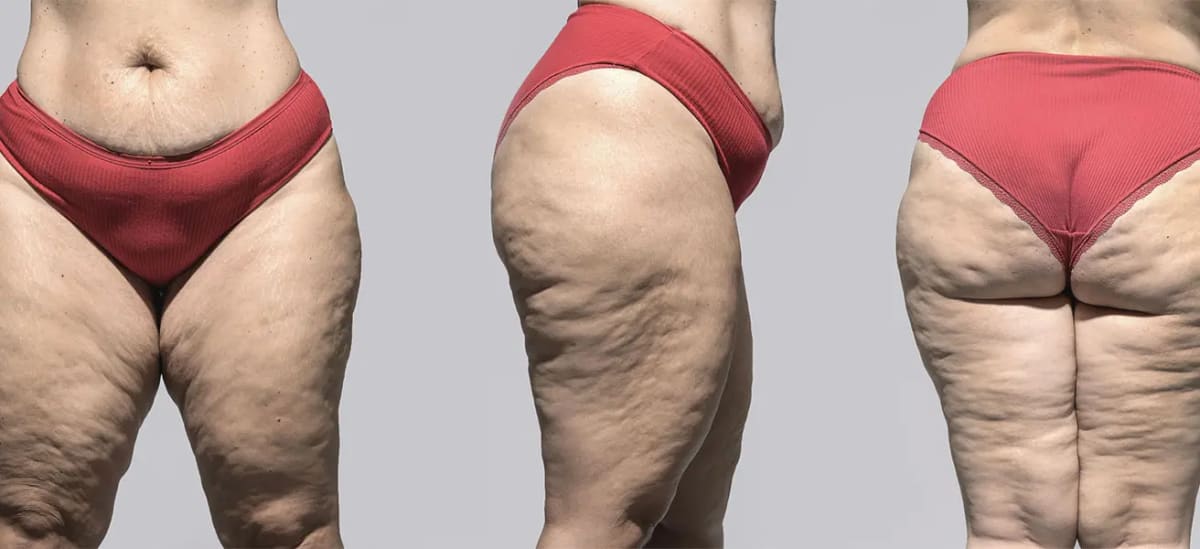
For decades, women with unexplained, painful fat accumulation in their legs and hips have faced a frustrating cycle of misdiagnosis, dismissed as simply overweight or lazy. Lipedema, a chronic and often painful fat disorder, remains widely misunderstood by both the public and many healthcare providers, leading to delayed diagnoses and unnecessary suffering. Unlike typical fat tissue, lipedemic fat does not respond to diet or exercise, and it can cause significant discomfort, mobility issues, and psychological distress. The condition disproportionately affects women, yet it is frequently confused with obesity, lymphedema, or other metabolic disorders, leaving patients struggling for answers.
What Happened
Lipedema is a chronic fat disorder characterized by the abnormal and often painful accumulation of fat, primarily in the lower body, hips, thighs, and calves, while the upper body remains relatively unaffected. Unlike general obesity, this fat does not respond to traditional weight loss methods such as dieting or exercise, leaving many women feeling trapped in a cycle of frustration and medical dismissal. The condition is progressive, meaning symptoms worsen over time without proper intervention, and it can lead to severe complications such as mobility limitations, chronic pain, and secondary lymphedema.
Why Public Health Officials Are Concerned
Lipedema’s underrecognition poses significant public health challenges, particularly in women’s health. Because it is frequently misdiagnosed as obesity or lymphedema, patients often endure years of ineffective treatments, including unnecessary weight loss programs or even bariatric surgery, which fail to address the root cause. This not only delays appropriate care but also contributes to mental health burdens, including anxiety and depression. Public health experts emphasize the need for greater awareness among healthcare providers to reduce diagnostic delays and improve patient outcomes.
Symptoms or Risk Factors
Lipedema typically presents with distinct symptoms that differentiate it from other conditions. Common signs include:
- Disproportionate fat accumulation in the lower body, often with a notable lack of fat in the upper body.
- Pain or tenderness in the affected areas, which can range from mild discomfort to severe, debilitating pain.
- Easy bruising and the appearance of small blood vessels under the skin.
- Swelling that worsens with heat, prolonged standing, or hormonal changes.
- Progressive worsening of symptoms over time, particularly during puberty, pregnancy, or menopause.
While the exact cause of lipedema remains unclear, hormonal factors are believed to play a significant role, given its prevalence in women and symptom exacerbation during hormonal shifts.
Who May Be Affected
Lipedema predominantly affects women, with estimates suggesting it occurs in up to 11% of the female population. The condition often begins during puberty, pregnancy, or menopause, suggesting a strong hormonal component. Women with a family history of lipedema are also at higher risk, indicating a potential genetic predisposition. Despite its prevalence, lipedema is frequently overlooked in clinical settings, particularly in primary care, where it may be dismissed as a cosmetic issue rather than a medical condition requiring attention.
Government or WHO Response
While lipedema is not currently classified as a distinct medical condition by major health organizations such as the World Health Organization (WHO), advocacy groups and medical societies are pushing for greater recognition. In some countries, such as Germany, lipedema is officially recognized as a chronic disease, allowing patients access to specialized care and insurance coverage for treatments like lymphatic drainage therapy and compression garments. However, in many regions, including the United States, lipedema remains poorly understood, and patients often struggle to find providers familiar with the condition.
Prevention and Safety Guidance
Because the exact cause of lipedema is unknown, there is no known way to prevent its onset. However, early diagnosis and intervention can significantly improve quality of life. Women experiencing unexplained lower body fat accumulation, pain, or swelling should seek evaluation from a healthcare provider familiar with lipedema or lymphatic disorders. Treatment options may include:
- Compression therapy to manage swelling and pain.
- Manual lymphatic drainage, a specialized massage technique to reduce fluid buildup.
- Surgical interventions, such as liposuction, for severe cases to remove affected fat tissue.
- Pain management strategies, including physical therapy and medications.
Additionally, patients should be cautious of weight loss programs that promise dramatic results, as these are unlikely to address lipedemic fat and may lead to further frustration.
What Readers Should Know
Lipedema is a real and often debilitating medical condition that requires proper recognition and management. Women who suspect they may have lipedema should advocate for themselves in healthcare settings, seeking providers who specialize in lymphatic disorders or women’s health. Raising awareness about lipedema is critical to reducing diagnostic delays and ensuring patients receive the care they need. For those already diagnosed, connecting with support groups and advocacy organizations can provide valuable resources and emotional support.
Key Takeaways
- Lipedema is a chronic fat disorder that causes painful, disproportionate fat accumulation in the lower body, often mistaken for obesity.
- The condition does not respond to diet or exercise, leading to years of misdiagnosis and unnecessary suffering.
- Early diagnosis and specialized care can significantly improve quality of life for women with lipedema.
- Public health efforts are needed to increase awareness and reduce diagnostic delays.
Frequently Asked Questions
How is lipedema different from obesity?
Lipedema involves the abnormal accumulation of fat in specific areas of the body, primarily the hips, thighs, and calves, which does not respond to diet or exercise. Unlike obesity, it often causes pain, tenderness, and easy bruising, and it predominantly affects women.
What are the treatment options for lipedema?
Treatment focuses on managing symptoms and may include compression therapy, manual lymphatic drainage, pain management, and in severe cases, surgical interventions like liposuction. Weight loss programs are generally ineffective for lipedemic fat.
Can men have lipedema?
While lipedema predominantly affects women, rare cases have been reported in men, particularly those with hormonal imbalances or genetic predispositions.
Is lipedema recognized by major health organizations?
Lipedema is not currently classified as a distinct medical condition by the World Health Organization (WHO), but it is officially recognized as a chronic disease in some countries, such as Germany.
Medical Review: MedSense Editorial Board


DISCUSSION (0)
POST A COMMENT