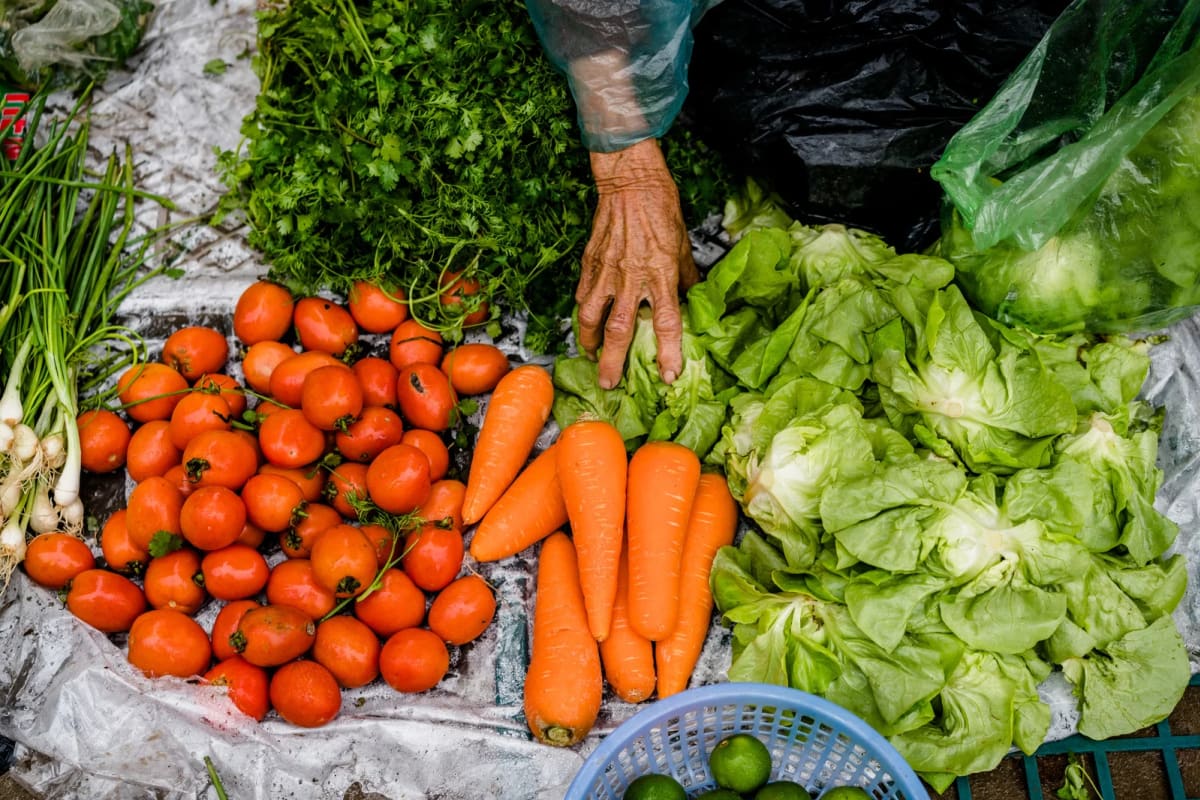
Every year, unsafe food claims hundreds of thousands of lives and sickens millions more, yet the true scale of this global crisis has long remained underestimated. On World Food Safety Day 2026, the World Health Organization and the Food and Agriculture Organization of the United Nations are changing that narrative with the release of new, comprehensive estimates designed to help countries turn data into action. These figures do more than quantify the burden of foodborne diseases, they provide governments, health agencies, and food producers with the tools needed to implement targeted, life saving interventions across the food supply chain. The initiative arrives at a critical moment. Food safety risks are evolving faster than ever, driven by climate change, globalized trade, and shifting agricultural practices. From contaminated produce to improperly handled meat, the threats are as diverse as they are widespread. Yet until now, many nations lacked the precise data needed to prioritize prevention efforts. The WHO and FAO’s latest estimates aim to fill that gap, offering a roadmap for reducing illness, preventing deaths, and mitigating the economic toll of unsafe food on healthcare systems and economies.
What Happened
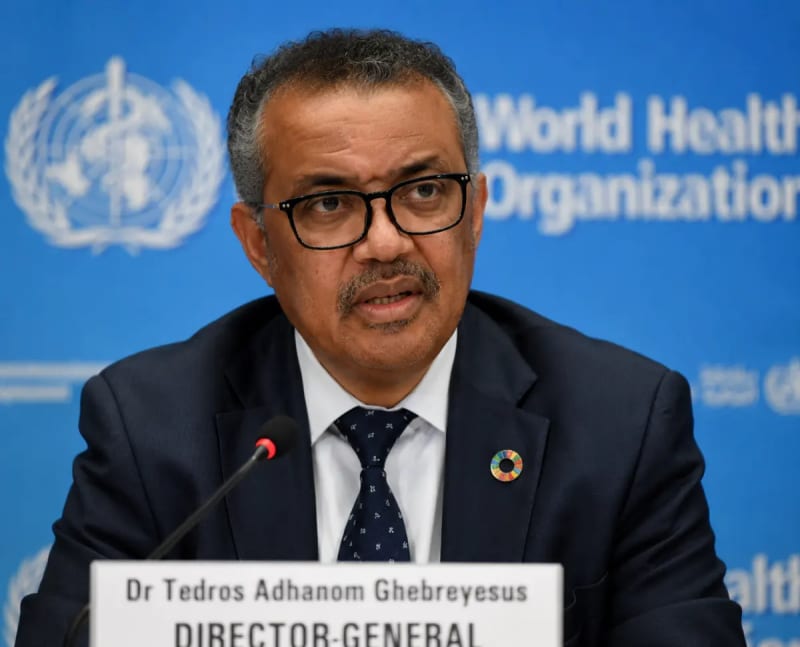
The World Health Organization and the Food and Agriculture Organization of the United Nations have released new global estimates on the burden of foodborne diseases, marking World Food Safety Day 2026. These estimates provide updated data on the incidence, mortality, and societal impact of illnesses caused by contaminated food, spanning bacteria, viruses, parasites, toxins, and chemicals. The goal is to equip countries with evidence based insights to strengthen food safety policies and reduce preventable harm.
Why Public Health Officials Are Concerned
Foodborne diseases remain one of the most underrecognized public health challenges of our time. According to previous WHO assessments, nearly one in ten people worldwide fall ill from contaminated food each year, with children under five and low income populations bearing the heaviest burden. The economic consequences are equally staggering, lost productivity, healthcare costs, and trade disruptions cost developing nations billions annually. Yet despite these risks, food safety often receives far less attention than other health threats, leaving gaps in surveillance, regulation, and public awareness.
The new estimates aim to change that by providing a clearer picture of where and how foodborne illnesses occur. For example, the data highlights regional disparities, such as higher rates of bacterial contamination in areas with limited access to clean water or refrigeration. It also underscores the growing threat of chemical contaminants, including pesticides and heavy metals, which can accumulate in the food chain over time. By quantifying these risks, the WHO and FAO hope to spur investment in food safety infrastructure, from farm to fork.
Who May Be Affected
While foodborne illnesses can strike anyone, certain groups face disproportionate risks. Young children, whose immune systems are still developing, are particularly vulnerable to severe outcomes, including hospitalization and death. Pregnant women, the elderly, and individuals with chronic illnesses or weakened immune systems are also at higher risk. In low and middle income countries, where food safety regulations may be less stringent and access to healthcare is limited, the impact is even more pronounced.
Beyond health, the ripple effects of unsafe food extend to economies and livelihoods. Farmers, food handlers, and small scale producers often lack the resources to implement safety measures, leaving them exposed to financial losses from recalls or trade bans. Consumers, meanwhile, may face higher food prices or reduced availability of nutritious options if contamination outbreaks disrupt supply chains.
Government and WHO Response
The release of these estimates is part of a broader WHO and FAO strategy to elevate food safety as a global priority. The organizations are calling on governments to integrate food safety into national health agendas, invest in laboratory capacity for detecting contaminants, and strengthen regulatory frameworks. They are also urging countries to adopt the Codex Alimentarius, a collection of international food standards, guidelines, and codes of practice designed to ensure food is safe and can be traded fairly.
In addition to policy recommendations, the WHO and FAO are providing technical support to help countries implement practical solutions. This includes training for food handlers, public education campaigns on safe food practices, and tools for tracking and responding to outbreaks. The organizations are also collaborating with the private sector to promote best practices in food production, processing, and distribution.
Prevention and Safety Guidance
While governments and international agencies work to improve food safety systems, individuals can take steps to reduce their risk of foodborne illness. The WHO recommends five key practices for safer food:
- Keep clean: Wash hands, utensils, and surfaces before and after handling food to prevent cross contamination.
- Separate raw and cooked: Use separate cutting boards and plates for raw meat, poultry, seafood, and ready to eat foods.
- Cook thoroughly: Ensure food reaches safe internal temperatures, especially meat, poultry, eggs, and seafood.
- Keep food at safe temperatures: Refrigerate perishable foods promptly and avoid leaving cooked food at room temperature for more than two hours.
- Use safe water and raw materials: Choose fresh, unspoiled ingredients and ensure water used in food preparation is clean.
For travelers, the WHO advises caution when consuming food in regions with known food safety risks. This includes avoiding raw or undercooked foods, unpasteurized dairy products, and street food that may not have been prepared under hygienic conditions.
What Readers Should Know
Food safety is not just a concern for regulators or food producers, it is a shared responsibility. The new WHO estimates serve as a reminder that unsafe food is a preventable problem, but addressing it requires action at every level, from global policy to individual behavior. For consumers, this means staying informed about food recalls, following safe food handling practices at home, and advocating for stronger food safety standards in their communities.
For healthcare providers, the data underscores the importance of recognizing and reporting foodborne illnesses to public health authorities. Early detection of outbreaks can help prevent further cases and save lives. Meanwhile, policymakers must prioritize food safety as a cornerstone of public health, ensuring that resources are allocated to surveillance, education, and enforcement.
The message from World Food Safety Day 2026 is clear: safe food is not a luxury, it is a necessity. With the right tools and commitment, countries can turn the burden of foodborne disease into a story of prevention, resilience, and health for all.
Key Takeaways
- The WHO and FAO have released new global estimates on foodborne diseases to guide prevention efforts and save lives.
- Foodborne illnesses affect nearly one in ten people worldwide, with children and low income populations at highest risk.
- The new data highlights regional disparities and emerging threats, such as chemical contaminants in the food chain.
- Governments are urged to strengthen food safety regulations, invest in surveillance, and adopt international standards like the Codex Alimentarius.
- Individuals can reduce their risk by following safe food handling practices, such as washing hands, separating raw and cooked foods, and cooking thoroughly.
Frequently Asked Questions
What are the most common causes of foodborne illnesses?
Foodborne illnesses are typically caused by bacteria (such as Salmonella, E. coli, and Listeria), viruses (like norovirus and hepatitis A), parasites, toxins (such as those produced by mold or algae), and chemical contaminants (including pesticides and heavy metals). The specific risks vary by region and food type.
How can I tell if food is unsafe to eat?
Signs of unsafe food include unusual odors, discoloration, slimy textures, or off flavors. However, some contaminants, like bacteria or chemicals, may not be detectable by sight or smell. When in doubt, it is safer to discard food that has been improperly stored or shows signs of spoilage. Following food safety guidelines, such as those provided by the WHO, can also help reduce risk.
Why are children more vulnerable to foodborne illnesses?
Children, particularly those under five, have developing immune systems that are less capable of fighting off infections. They also tend to consume more food relative to their body weight, increasing their exposure to contaminants. Additionally, children may be more likely to experience severe complications from foodborne illnesses, such as dehydration or organ damage.
What is the Codex Alimentarius, and how does it improve food safety?
The Codex Alimentarius is a collection of internationally recognized standards, guidelines, and codes of practice developed by the WHO and FAO. It provides a framework for ensuring that food is safe, of good quality, and fairly traded. By adopting Codex standards, countries can harmonize their food safety regulations, facilitate trade, and protect consumer health.
How can I stay informed about food recalls in my area?
Many countries have government agencies or public health organizations that issue food recall alerts. These can often be found on official websites, through email or text alerts, or via mobile apps. Consumers can also follow reputable news sources or organizations like the WHO and FAO for updates on global food safety issues.
Medical Review: MedSense Editorial Board












DISCUSSION (0)
POST A COMMENT