What Happened
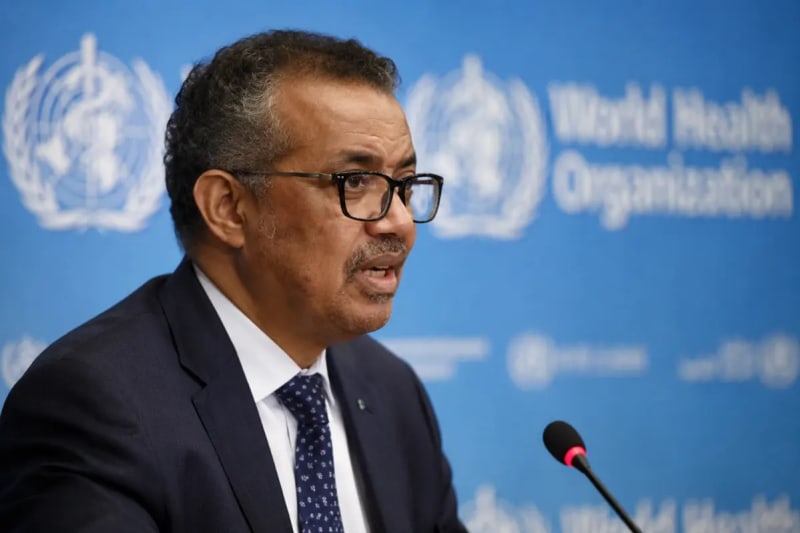
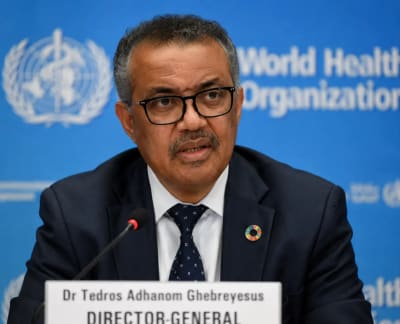
The World Health Organization has officially raised the risk assessment for the Ebola outbreak in the Democratic Republic of Congo to "very high," the highest level on its scale. As of the latest reports, nearly 750 suspected cases have been recorded, with 177 deaths attributed to the virus. The outbreak, which began in August 2023, has now spread across multiple health zones in North Kivu and Ituri provinces, areas already destabilized by armed conflict and displacement.
The decision to elevate the risk level follows a sharp increase in cases over the past month, with transmission accelerating in both urban centers and remote rural communities. Health workers on the ground report challenges in tracing contacts of infected individuals, a critical step in containing the virus. The WHO’s risk assessment also highlights the potential for cross border spread, particularly into Uganda and Rwanda, where surveillance systems have been strengthened in response.
Why Public Health Officials Are Concerned
Ebola virus disease is one of the deadliest pathogens known to medicine, with a fatality rate ranging from 25% to 90% depending on the strain and availability of medical care. The current outbreak involves the Zaire ebolavirus, the same strain responsible for the 2014 2016 West Africa epidemic, which claimed over 11,000 lives. While experimental treatments and a licensed vaccine have improved survival rates, the virus remains a formidable threat in settings with weak health systems.
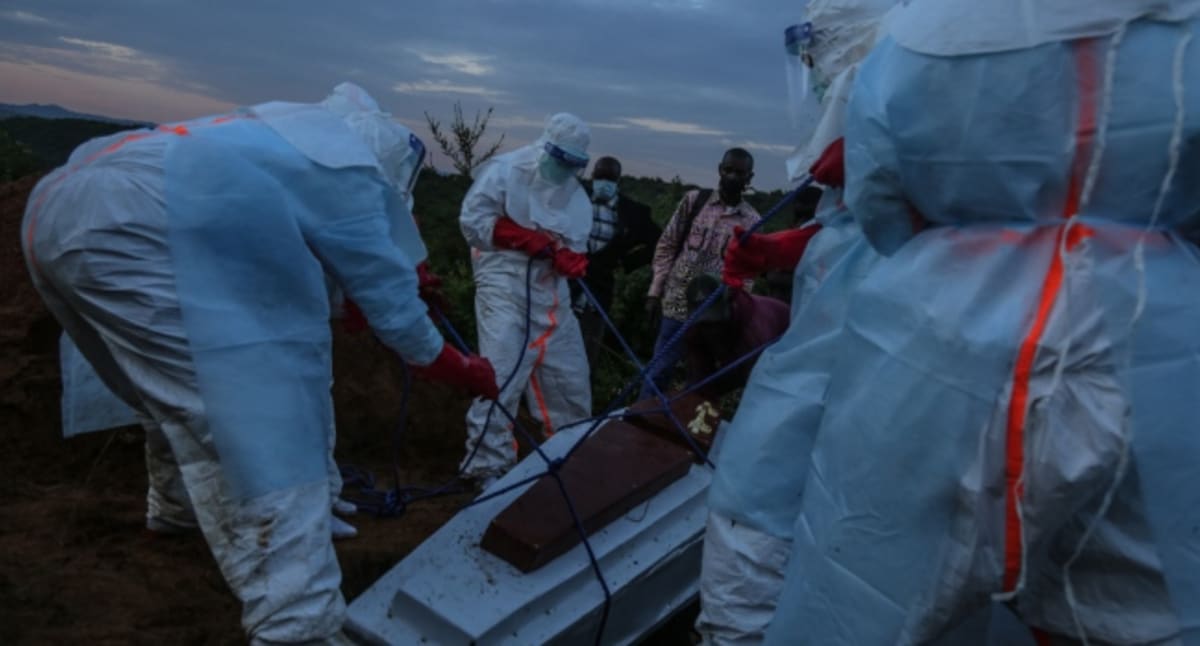
Public health officials are particularly alarmed by the outbreak’s trajectory in Congo. Unlike previous epidemics, this one is unfolding in a region plagued by armed conflict, which has displaced millions and disrupted healthcare services. Attacks on health workers and treatment centers have further hampered response efforts, while community resistance to vaccination and safe burial practices has fueled transmission. The WHO has warned that if the outbreak is not brought under control soon, it could become the largest in Congo’s history, surpassing the 2018 2020 epidemic that resulted in 3,481 cases and 2,299 deaths.
Symptoms and Risk Factors
Ebola is transmitted through direct contact with the bodily fluids of infected individuals or contaminated surfaces. Early symptoms often resemble those of malaria or influenza, including fever, fatigue, muscle pain, and headache. As the disease progresses, patients may experience vomiting, diarrhea, rash, impaired kidney and liver function, and in some cases, internal and external bleeding.
High risk groups include healthcare workers, family members caring for sick relatives, and individuals participating in traditional burial practices that involve close contact with the deceased. Children, the elderly, and those with underlying health conditions are also more vulnerable to severe illness and death. The incubation period ranges from 2 to 21 days, meaning individuals exposed to the virus may not show symptoms immediately but can still transmit the disease.
Who May Be Affected
The current outbreak is concentrated in eastern Congo, where an estimated 5 million people live in the affected provinces. However, the risk extends beyond the immediate region. Travelers, aid workers, and peacekeeping forces moving in and out of the area could inadvertently carry the virus to other parts of Congo or neighboring countries. Uganda, Rwanda, and South Sudan have all heightened surveillance at border crossings and implemented screening measures to detect potential cases early.
Healthcare workers remain on the front lines of the response and are at heightened risk of infection. During the 2014 2016 West Africa epidemic, healthcare workers were up to 32 times more likely to contract Ebola than the general population. In Congo, attacks on medical facilities have forced some health workers to flee, leaving gaps in care and increasing the burden on those who remain.
Government and WHO Response
The Congolese government, in collaboration with the WHO and international partners, has ramped up efforts to contain the outbreak. Key components of the response include:
- Vaccination campaigns: Over 200,000 people have received the Ervebo vaccine, a single dose shot approved by the WHO for use in Ebola outbreaks. The vaccine has shown high efficacy in preventing infection among those exposed to the virus.
- Treatment centers: Temporary Ebola treatment units have been established in hotspot areas, equipped with experimental therapies such as monoclonal antibodies and antiviral drugs. These treatments have improved survival rates, with some patients recovering fully if treated early.
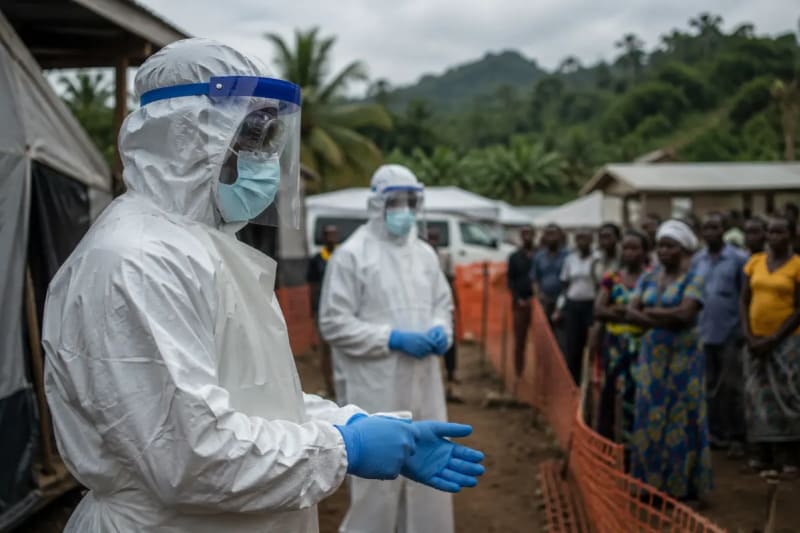
- Community engagement: Local leaders and health workers are conducting outreach to address misinformation and encourage safe burial practices. In some communities, resistance to vaccination and quarantine measures has slowed progress, making trust building a critical priority.
- Cross border coordination: The WHO is working with neighboring countries to strengthen surveillance and preparedness. Uganda, for example, has vaccinated over 4,000 frontline health workers and established isolation units at key border points.
Despite these efforts, funding remains a major challenge. The WHO has appealed for $147 million to support the response through 2024, but as of now, only a fraction of that amount has been secured. Without sustained financial and logistical support, health officials warn that the outbreak could continue to grow unchecked.
Prevention and Safety Guidance
For individuals in or traveling to affected areas, the WHO and CDC recommend the following precautions:
- Avoid contact with blood and bodily fluids of people who are sick or have died from Ebola.
- Refrain from handling items that may have come into contact with an infected person’s bodily fluids, such as clothing, bedding, or medical equipment.
- Practice good hand hygiene by washing hands frequently with soap and water or using an alcohol based hand sanitizer.
- Seek medical care immediately if you develop symptoms such as fever, fatigue, or muscle pain, especially if you have been in contact with someone suspected of having Ebola.
- Follow local health advisories and cooperate with vaccination efforts if offered.
For healthcare workers, the WHO emphasizes the importance of strict infection prevention and control measures, including the use of personal protective equipment, proper disposal of medical waste, and safe burial practices for those who die from the disease.
What Readers Should Know
The Ebola outbreak in Congo is a stark reminder of the persistent threat posed by emerging infectious diseases, particularly in regions with fragile health systems. While the international community has made strides in developing vaccines and treatments, the success of these tools depends on timely deployment, community trust, and adequate funding. For now, the focus remains on containing the virus before it spreads further, but the situation underscores the need for long term investment in global health security.
For those living in or near affected areas, staying informed and adhering to public health guidance is the best defense against Ebola. The WHO and local health authorities continue to monitor the situation closely, and updates will be provided as the response evolves. In the meantime, vigilance, cooperation, and solidarity will be key to overcoming this latest challenge.
Key Takeaways
- The WHO has raised the Ebola risk level to "very high" in the Democratic Republic of Congo, with nearly 750 suspected cases and 177 deaths reported.
- The outbreak is occurring in a conflict zone, complicating response efforts due to violence, displacement, and community mistrust.
- Experimental vaccines and treatments are being deployed, but funding shortages and logistical challenges threaten to undermine containment efforts.
- Neighboring countries, including Uganda and Rwanda, are on high alert for potential cross border spread and have implemented screening measures.
- Individuals in affected areas should avoid contact with bodily fluids, practice good hygiene, and seek medical care if symptoms develop.
Frequently Asked Questions
What is Ebola, and how does it spread?
Ebola is a severe, often fatal illness caused by the Ebola virus. It spreads through direct contact with the bodily fluids of infected individuals or contaminated surfaces. Early symptoms include fever, fatigue, and muscle pain, which can progress to vomiting, diarrhea, and internal bleeding.
Is there a vaccine for Ebola?
Yes, the Ervebo vaccine has been approved by the WHO for use in Ebola outbreaks. It has shown high efficacy in preventing infection among those exposed to the virus and is being deployed in the current outbreak in Congo.
What treatments are available for Ebola?
While there is no approved cure for Ebola, experimental treatments such as monoclonal antibodies and antiviral drugs have improved survival rates. Early treatment is critical for recovery.
Why is this outbreak particularly concerning?
This outbreak is occurring in a region plagued by armed conflict, which has disrupted healthcare services and displaced millions. Attacks on health workers, community resistance to vaccination, and logistical challenges have made containment efforts more difficult.
What can individuals do to protect themselves?
Avoid contact with bodily fluids of sick individuals, practice good hand hygiene, and follow local health advisories. If you develop symptoms such as fever or fatigue, seek medical care immediately, especially if you have been in contact with someone suspected of having Ebola.
Medical Review: MedSense Editorial Board









DISCUSSION (0)
POST A COMMENT