
What Happened
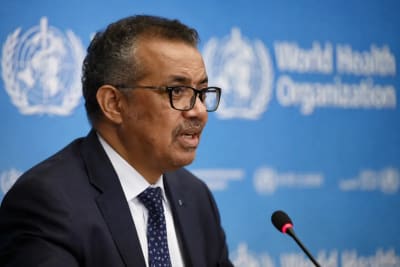
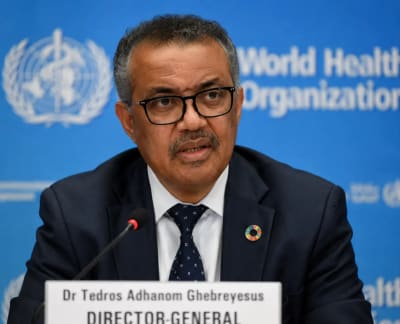
The World Health Organization has confirmed an outbreak of the Bundibugyo strain of Ebola in Uganda, with cases and deaths reported in recent weeks. This strain, one of six known species of the Ebola virus, was last detected in the Democratic Republic of Congo in 2012. Unlike the more widely recognized Zaire strain, which has seen vaccine development and deployment in past outbreaks, Bundibugyo lacks a licensed vaccine, leaving health officials reliant on experimental options.
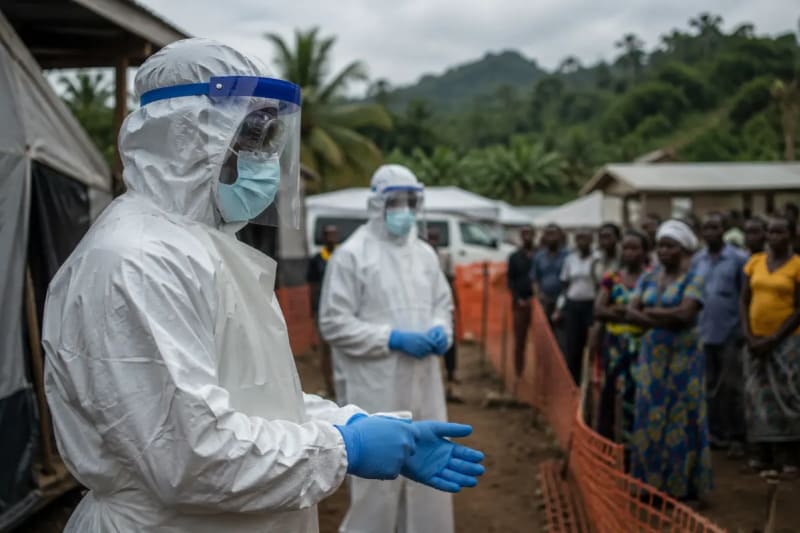
Ugandan health authorities, in collaboration with the WHO, have activated emergency response protocols. This includes the deployment of rapid response teams, enhanced surveillance, and the establishment of isolation centers. However, the lack of a proven vaccine for this specific strain complicates containment efforts, particularly in rural areas where healthcare infrastructure is limited.
Why Public Health Officials Are Concerned
The Bundibugyo strain, while less deadly than the Zaire strain, still carries a significant mortality risk. Historical data from the 2007 outbreak in Uganda showed a case fatality rate of approximately 30 to 50 percent. The virus spreads through direct contact with bodily fluids of infected individuals or contaminated surfaces, making outbreaks particularly dangerous in densely populated or resource limited settings.
Public health officials are also concerned about the potential for cross border spread. Uganda shares porous borders with several countries, including the Democratic Republic of Congo and South Sudan, where healthcare systems are already strained by conflict, displacement, and other infectious disease outbreaks. The WHO has warned that without swift intervention, the outbreak could escalate into a regional crisis.
Symptoms and Risk Factors
Symptoms of Bundibugyo Ebola infection mirror those of other Ebola strains, typically appearing between 2 to 21 days after exposure. Early signs include sudden fever, fatigue, muscle pain, headache, and sore throat. As the disease progresses, patients may experience vomiting, diarrhea, rash, impaired kidney and liver function, and in severe cases, internal and external bleeding.
High risk groups include healthcare workers, family members caring for infected individuals, and those involved in burial practices that involve direct contact with the deceased. Communities with limited access to healthcare, poor sanitation, and crowded living conditions are also at elevated risk.
Who May Be Affected
The current outbreak is concentrated in Uganda’s western districts, where initial cases have been reported. However, the risk extends beyond these areas due to population movement and the potential for undetected transmission. Healthcare workers, who are often the first line of defense, face heightened exposure, as do communities with cultural practices that involve close contact with the sick or deceased.
Travelers to and from affected regions may also unknowingly carry the virus, though the risk of widespread international spread remains low. The WHO has not issued any travel restrictions but advises enhanced screening at points of entry and exit in affected countries.
Government and WHO Response
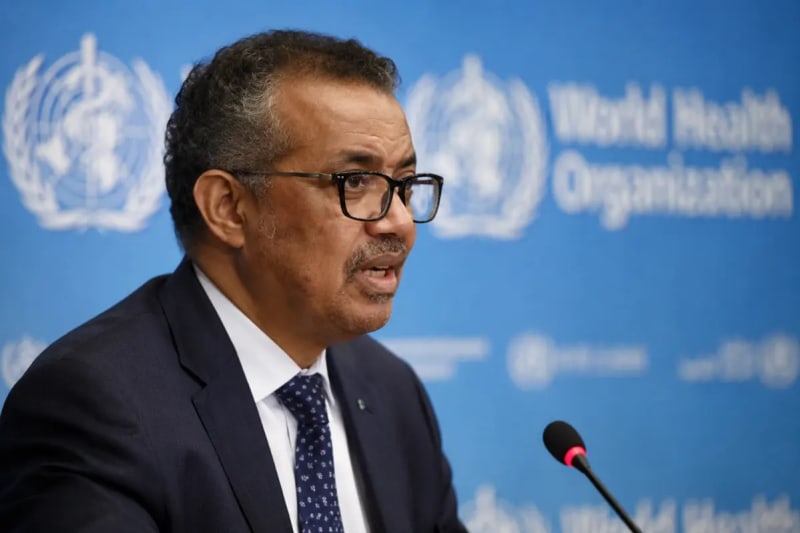
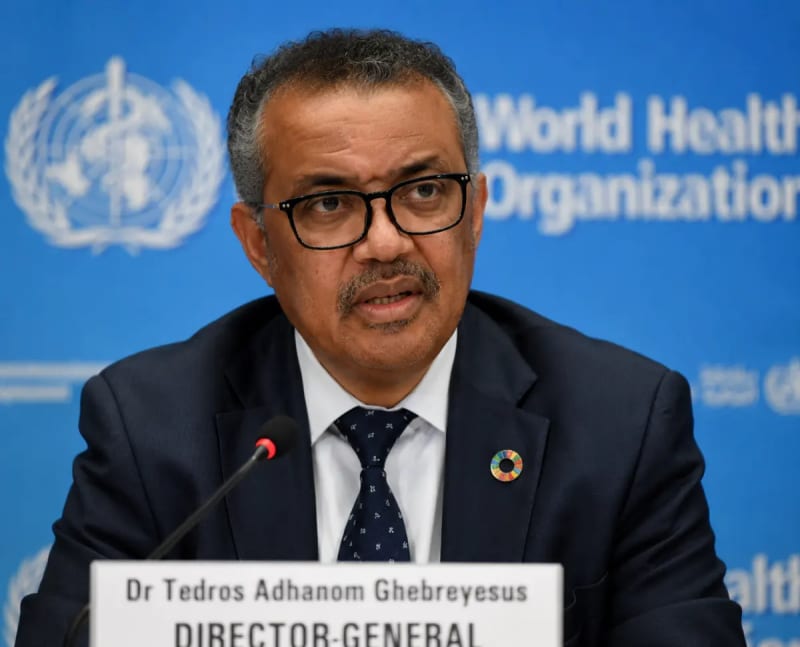
The Ugandan Ministry of Health, in partnership with the WHO, has launched a multi pronged response. This includes the deployment of mobile laboratories for rapid diagnosis, the training of healthcare workers in infection prevention and control, and the establishment of treatment centers equipped to handle Ebola cases. The WHO has also released emergency funds to support these efforts and is coordinating with global partners to secure experimental vaccines.
Two experimental vaccines, originally developed for the Zaire strain of Ebola, are being considered for use under compassionate grounds. While these vaccines have not been tested against Bundibugyo, they may offer some level of cross protection. Clinical trials and further research are urgently needed to determine their efficacy, but in the face of rising deaths, health officials are prioritizing immediate deployment.
Prevention and Safety Guidance
Preventing the spread of Bundibugyo Ebola relies on a combination of public health measures and community engagement. Key strategies include:
- Avoid direct contact with bodily fluids: This includes blood, saliva, sweat, urine, feces, vomit, breast milk, and semen of infected individuals. Use protective equipment like gloves and masks if contact is unavoidable.
- Practice safe burial practices: Traditional burial rituals that involve washing or touching the deceased can spread the virus. Health authorities recommend modified burial practices that minimize contact.
- Isolate suspected cases: Individuals showing symptoms should be isolated immediately, and healthcare workers should follow strict infection control protocols.
- Enhance hygiene practices: Regular handwashing with soap and water, or the use of alcohol based hand sanitizers, can reduce transmission risk.
- Monitor for symptoms: Anyone who has been in contact with a confirmed or suspected case should monitor their health for 21 days and seek medical attention if symptoms develop.
What Readers Should Know
This outbreak serves as a stark reminder of the persistent threat posed by Ebola, even as the world grapples with other health emergencies like COVID 19. While the Bundibugyo strain is less deadly than others, its reemergence highlights the need for continued vigilance, investment in healthcare infrastructure, and global cooperation in disease surveillance and response.
For those living in or traveling to affected regions, staying informed through official health channels is critical. Misinformation can spread as quickly as the virus itself, so relying on trusted sources like the WHO, national health ministries, and reputable news organizations is essential. The global health community is mobilizing, but the success of containment efforts will depend on swift action, community cooperation, and sustained support for affected populations.
Key Takeaways
- The WHO is deploying experimental vaccines to combat the rare Bundibugyo strain of Ebola in Uganda, which has no licensed vaccine.
- The Bundibugyo strain has a lower fatality rate than other Ebola strains but remains a serious public health threat, particularly in resource limited settings.
- Prevention relies on avoiding contact with bodily fluids, safe burial practices, isolation of cases, and enhanced hygiene measures.
- Global cooperation and investment in healthcare infrastructure are critical to preventing future outbreaks and ensuring rapid response.
Frequently Asked Questions
What is the Bundibugyo strain of Ebola?
The Bundibugyo strain is one of six known species of the Ebola virus. It was first identified in 2007 during an outbreak in Uganda and has a lower fatality rate than the more common Zaire strain, though it remains a serious public health concern.
Are there any vaccines for the Bundibugyo strain?
Currently, there are no licensed vaccines specifically for the Bundibugyo strain. The WHO is exploring the use of experimental vaccines developed for other Ebola strains, which may offer some cross protection.
How does Ebola spread?
Ebola spreads through direct contact with the bodily fluids of infected individuals or contaminated surfaces. It can also spread through contact with the bodies of deceased victims during traditional burial practices.
What are the symptoms of Bundibugyo Ebola?
Symptoms include sudden fever, fatigue, muscle pain, headache, sore throat, vomiting, diarrhea, rash, and in severe cases, internal and external bleeding. Symptoms typically appear 2 to 21 days after exposure.
What should I do if I suspect I’ve been exposed to Ebola?
If you suspect exposure, isolate yourself immediately and seek medical attention. Avoid contact with others and follow local health authority guidelines for testing and monitoring. Healthcare workers should use protective equipment to prevent further transmission.
Medical Review: MedSense Editorial Board










DISCUSSION (0)
POST A COMMENT