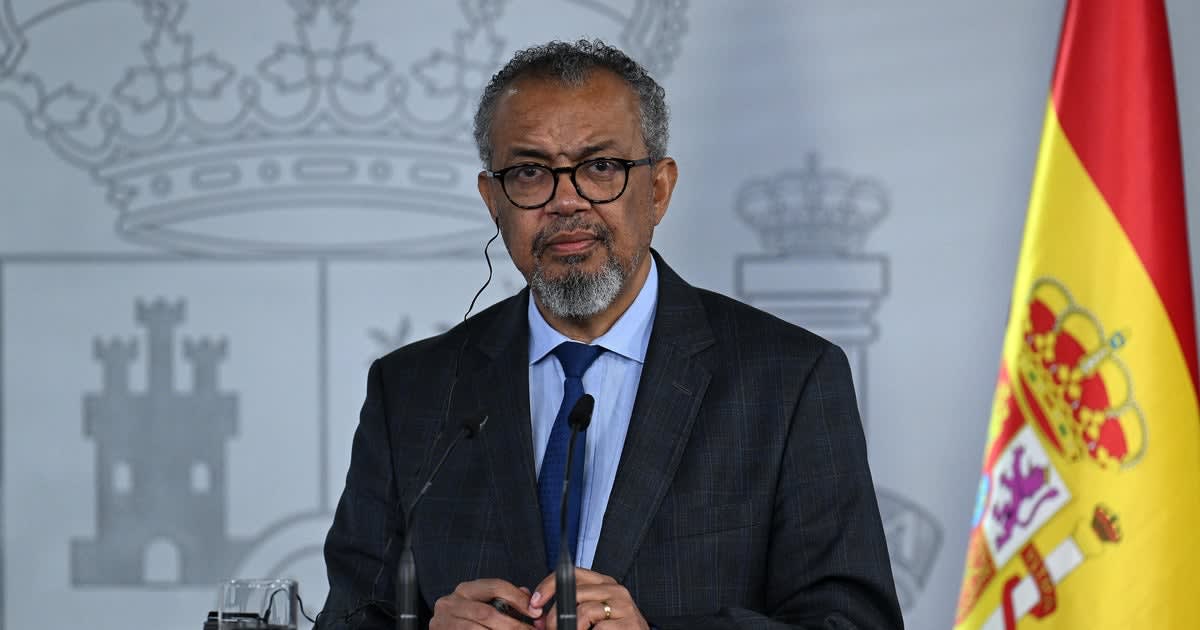
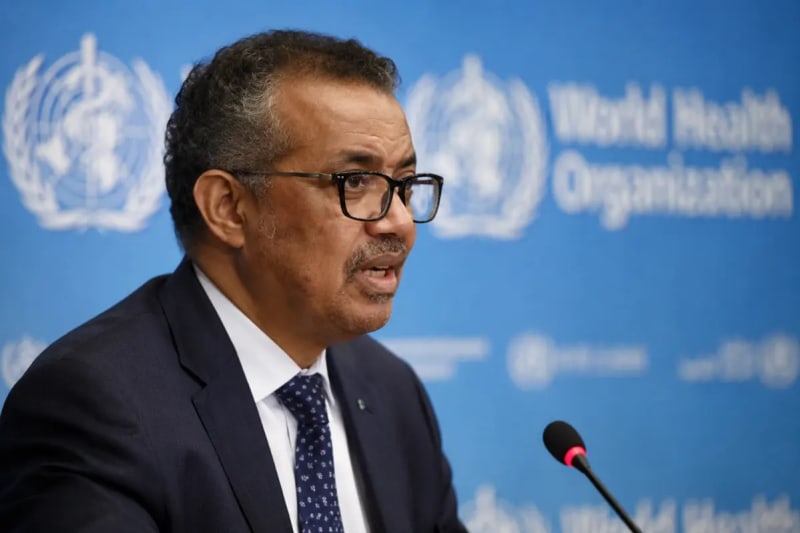
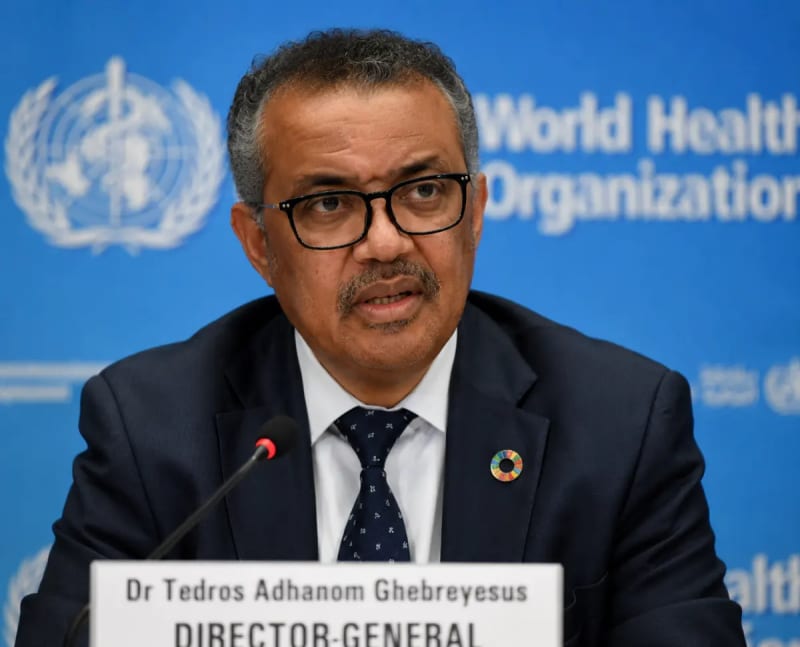
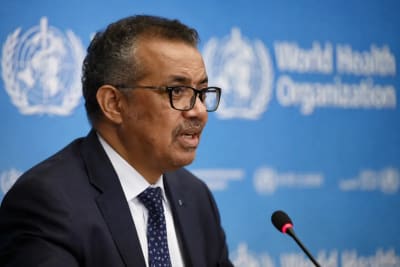
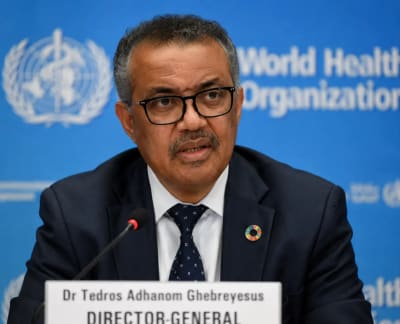
The World Health Organization’s top official arrived in the Democratic Republic of Congo this week as health authorities race to contain one of the most persistent Ebola outbreaks in recent history. Director General Tedros Adhanom Ghebreyesus traveled to the eastern region of the country, where the virus has claimed hundreds of lives and continues to spread despite ongoing containment efforts. His visit signals a high level commitment to supporting local health teams and underscores the urgency of the crisis in a region already grappling with conflict, displacement, and fragile healthcare infrastructure. In a direct message to the Congolese people, Tedros pledged solidarity, stating, “I want you to know that you are not alone.” The outbreak, now in its third year, has proven particularly challenging due to insecurity, community mistrust, and logistical hurdles. With new cases still emerging, public health experts warn that sustained international support is critical to preventing further spread and protecting vulnerable populations.
What Happened
The Director General of the World Health Organization, Tedros Adhanom Ghebreyesus, arrived in the Democratic Republic of Congo on Thursday to visit the epicenter of the ongoing Ebola outbreak in the eastern provinces. His visit comes as health officials report continued transmission of the virus, despite the deployment of vaccines, therapeutics, and mobile response teams. The outbreak, which began in 2022, has become one of the longest running Ebola emergencies in the country’s history, with over 1,500 confirmed cases and nearly 600 deaths reported to date.
Why Public Health Officials Are Concerned
Ebola virus disease is one of the deadliest pathogens known, with a fatality rate that can exceed 50 percent in untreated cases. The current outbreak in eastern DRC is occurring in a region marked by armed conflict, population displacement, and limited access to healthcare. These factors have hampered surveillance, contact tracing, and vaccination efforts, allowing the virus to persist in remote and hard to reach communities. Additionally, misinformation and community resistance have slowed the acceptance of life saving interventions, including safe burials and ring vaccination.
Public health officials are particularly concerned about the potential for cross border spread. The affected provinces share porous borders with Uganda, Rwanda, and Burundi, raising the risk of regional transmission. While no cases have been confirmed outside DRC in this outbreak, the WHO has repeatedly warned that the situation remains volatile and requires constant vigilance.
Symptoms or Risk Factors
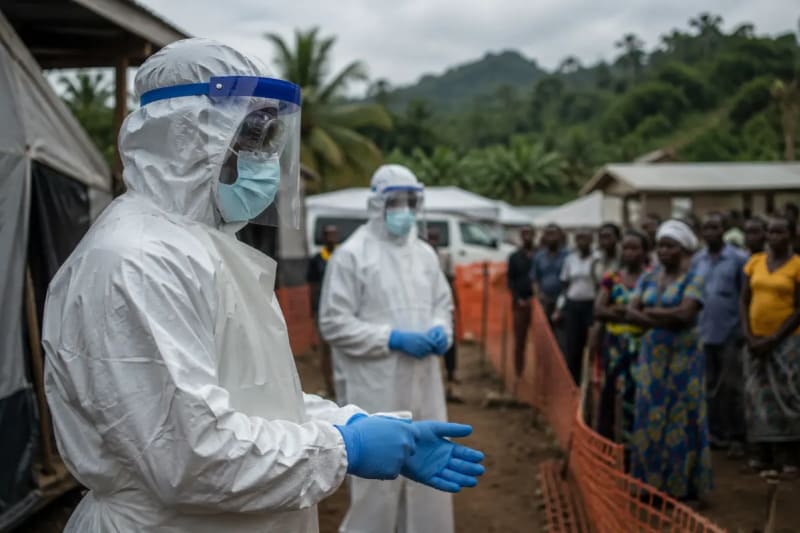
Ebola virus disease typically begins with sudden onset of fever, fatigue, muscle pain, headache, and sore throat. As the illness progresses, patients may develop vomiting, diarrhea, rash, impaired kidney and liver function, and in some cases, internal and external bleeding. The virus spreads through direct contact with bodily fluids of infected individuals or contaminated surfaces. Healthcare workers, family caregivers, and those involved in burial practices are at highest risk of infection.
Who May Be Affected
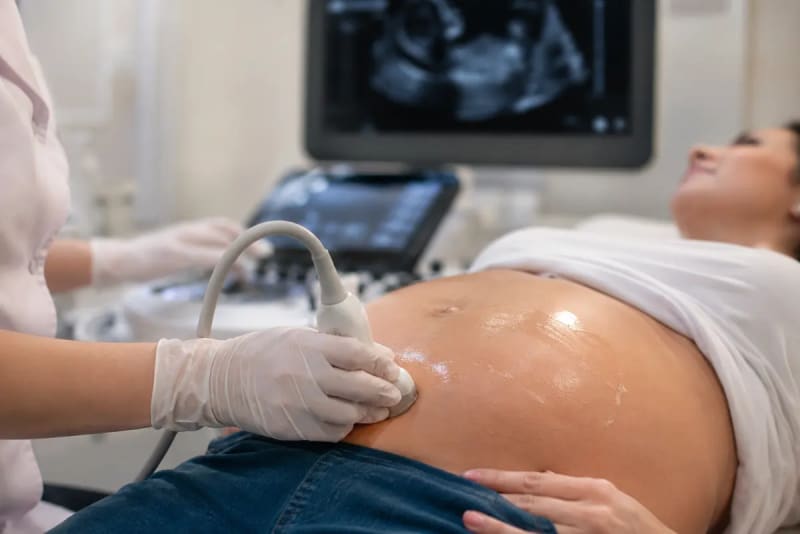
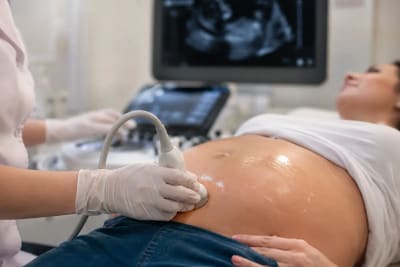
The outbreak has disproportionately impacted communities in North Kivu and Ituri provinces, where ongoing violence has displaced hundreds of thousands of people. Children, pregnant women, and the elderly are particularly vulnerable due to weakened immune systems and limited access to medical care. Healthcare workers on the front lines have also faced elevated risk, with dozens infected since the start of the outbreak.
Government or WHO Response
The WHO has classified the Ebola outbreak in DRC as a Public Health Emergency of International Concern since 2022, a designation that mobilizes global resources and coordination. In collaboration with the DRC Ministry of Health and partners like Médecins Sans Frontières and UNICEF, the WHO has deployed rapid response teams, established treatment centers, and rolled out vaccination campaigns using the Ervebo vaccine, which has shown high efficacy in preventing infection.
During his visit, Tedros met with local health authorities, community leaders, and frontline workers to assess response efforts and reinforce international support. He emphasized the need for sustained funding, improved security for health teams, and stronger community engagement to build trust and encourage early reporting of symptoms.
Prevention and Safety Guidance
Preventing Ebola transmission relies on a combination of public health measures. Key recommendations include:
- Avoiding direct contact with blood or bodily fluids of sick individuals.
- Practicing safe burial practices, including the use of trained teams to handle deceased bodies.
- Seeking medical care immediately if symptoms develop, especially after exposure to a known case.
- Healthcare workers should use personal protective equipment and follow strict infection control protocols.
- Vaccination is recommended for high risk groups, including contacts of confirmed cases and frontline responders.
What Readers Should Know
While Ebola remains a serious threat, the tools to control it have improved significantly in recent years. Vaccines, therapeutics, and rapid diagnostic tests now exist to prevent, treat, and detect the virus early. However, success depends on timely action, community cooperation, and sustained international support. The WHO’s leadership visit serves as a reminder that global solidarity is essential in stopping outbreaks before they escalate into larger crises.
For those in affected regions, staying informed through trusted sources and following public health advice can save lives. For the broader global community, supporting humanitarian and health organizations working in DRC helps ensure that frontline responders have the resources they need to bring this outbreak to an end.
Key Takeaways
- The Ebola outbreak in eastern DRC has persisted for over three years, with ongoing transmission despite vaccination and treatment efforts.
- WHO Director General Tedros Adhanom Ghebreyesus visited the epicenter to reinforce international support and address challenges like insecurity and community mistrust.
- Ebola is highly lethal but preventable through vaccination, infection control, and early medical care. Global coordination remains critical to ending the outbreak.
Frequently Asked Questions
What is Ebola virus disease?
Ebola virus disease is a severe, often fatal illness caused by the Ebola virus. It spreads through direct contact with bodily fluids of infected people or contaminated materials. Symptoms include fever, fatigue, muscle pain, vomiting, diarrhea, and in some cases, bleeding.
How effective is the Ebola vaccine?
The Ervebo vaccine, approved by the WHO and regulatory agencies, has shown over 97 percent efficacy in preventing Ebola infection when administered to high risk individuals, including contacts of confirmed cases and frontline health workers.
Why is the Ebola outbreak in DRC so difficult to control?
The outbreak is occurring in a region affected by armed conflict, population displacement, and weak healthcare infrastructure. These factors hinder surveillance, vaccination campaigns, and community engagement, allowing the virus to persist in hard to reach areas.
What should travelers to DRC know about Ebola?
Travelers to affected regions should avoid contact with sick individuals, practice good hand hygiene, and follow local health advisories. The WHO does not currently recommend travel restrictions but advises heightened vigilance in outbreak zones.
Medical Review: MedSense Editorial Board











DISCUSSION (0)
POST A COMMENT