
What Happened
Uganda has confirmed 19 Ebola cases and two deaths since the outbreak crossed from the Democratic Republic of Congo, where the virus has infected 515 people and killed 91. The majority of Uganda’s cases involve Congolese nationals who entered the country, though local transmission remains limited. The WHO declared the DRC outbreak a public health emergency of international concern in July, citing the risk of regional spread.
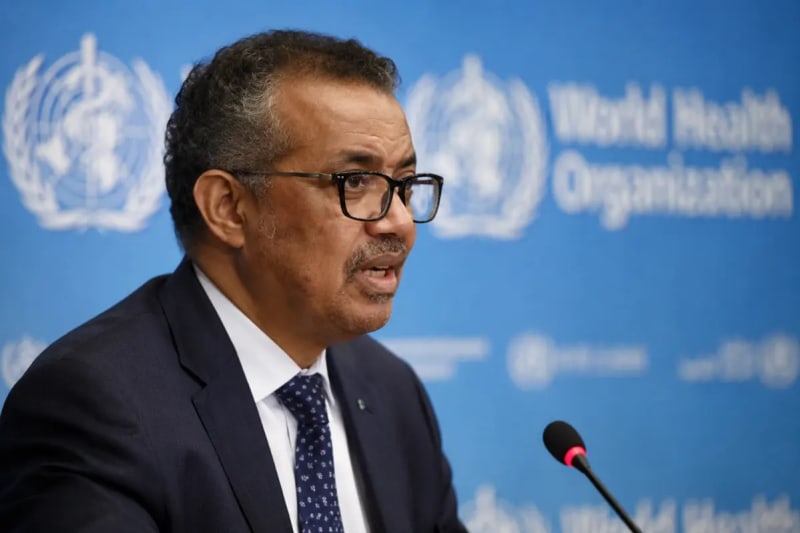
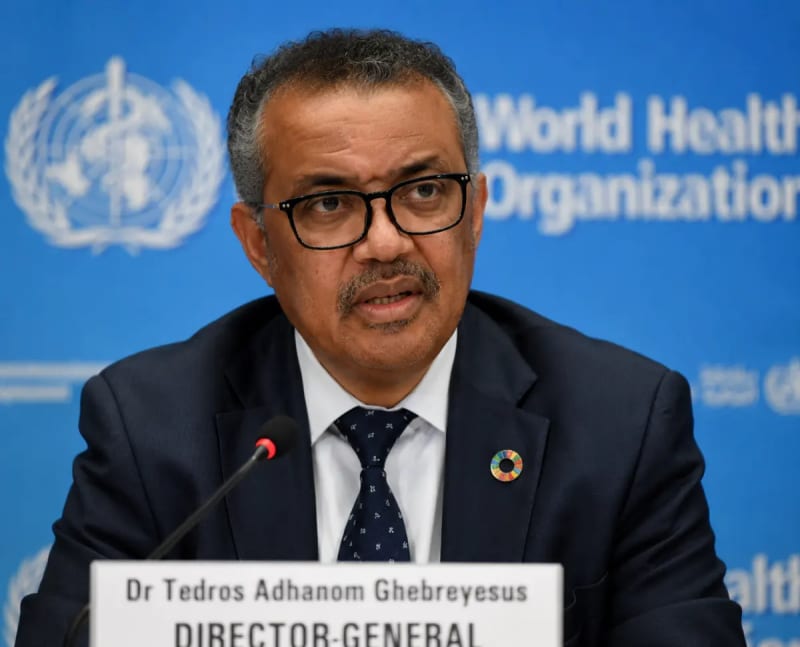
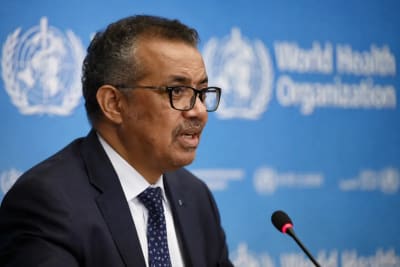
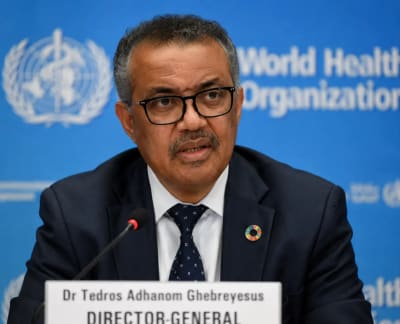
During a visit to Mulago National Referral Hospital in Kampala, Tedros Adhanom Ghebreyesus praised Uganda’s containment efforts, noting a case fatality rate below 1%. He attributed this success to the government’s decision to cancel large public gatherings, including the annual Martyrs Day celebrations, which could have accelerated transmission. The WHO has supported Uganda by training 148 healthcare workers and coordinating with regional partners, including the Africa Centres for Disease Control and Prevention.
Why Public Health Officials Are Concerned
Ebola’s high mortality rate and potential for rapid spread make it a persistent threat in regions with weak healthcare infrastructure. The current outbreak in the DRC’s Ituri province is particularly challenging due to armed conflict, poor road access, and population displacement. Cross border movement between the DRC and Uganda further complicates containment efforts, as infected individuals may unknowingly carry the virus into new areas.
The WHO’s $518 million regional response plan, launched last week, aims to strengthen surveillance, treatment, and community engagement over the next six months. However, funding gaps and logistical hurdles remain significant obstacles. Tedros emphasized that travel restrictions, such as those imposed by the UAE and Mauritius, are ineffective and economically damaging. Instead, he urged a focus on controlling the outbreak at its source.
Symptoms or Risk Factors
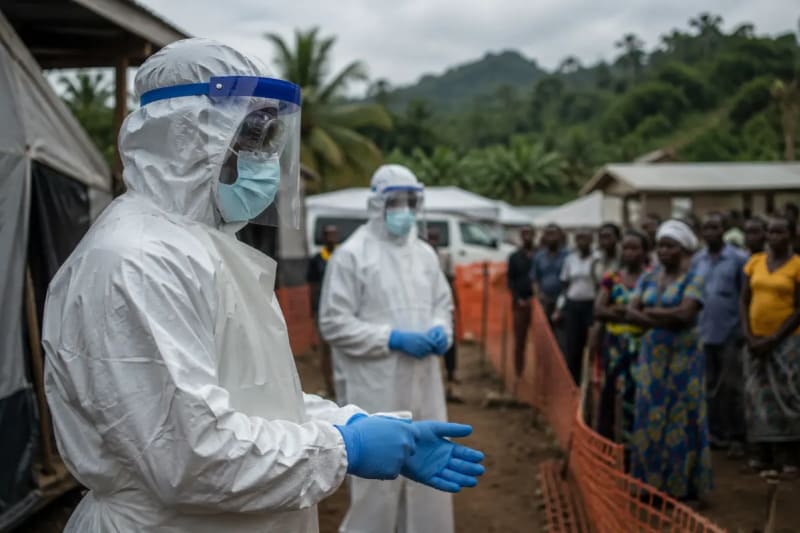
Ebola is transmitted through direct contact with bodily fluids of infected individuals or contaminated surfaces. Early symptoms include fever, fatigue, muscle pain, and sore throat, which can progress to vomiting, diarrhea, rash, and internal or external bleeding. The Bundibugyo strain responsible for the current outbreak has no approved vaccine or specific treatment, though supportive care, such as rehydration and symptom management, can improve survival rates.
Healthcare workers and those caring for sick relatives are at highest risk. Travelers to affected regions should avoid contact with symptomatic individuals and adhere to hygiene protocols, including regular handwashing and the use of personal protective equipment when necessary.
Who May Be Affected
The outbreak primarily impacts communities near the DRC Uganda border, where cross border trade and family ties facilitate movement. Congolese refugees and Ugandan nationals living in high risk areas are particularly vulnerable. Healthcare workers, first responders, and laboratory staff are also at elevated risk due to occupational exposure.
While Uganda’s cases remain contained, the potential for wider transmission persists, especially in densely populated urban centers like Kampala. The WHO has warned that mass gatherings, such as religious or cultural events, could trigger new clusters if preventive measures are not enforced.
Government or WHO Response
Uganda’s government has implemented several key measures to limit Ebola’s spread, including:
- Canceling large public events, such as the Martyrs Day celebrations, to reduce crowd related transmission.
- Deploying rapid response teams to border districts to monitor and isolate suspected cases.
- Enhancing cross border collaboration with the DRC to track and contain infections.
- Conducting public awareness campaigns to educate communities about symptoms and prevention.
The WHO, in partnership with Africa CDC, has provided technical support, including training for healthcare workers and the establishment of isolation units. Tedros reiterated that travel bans are counterproductive, advocating instead for targeted interventions at the outbreak’s epicenter. The $518 million regional response plan prioritizes surveillance, case management, and community engagement to curb the virus’s spread.
Prevention and Safety Guidance
Public health authorities recommend the following precautions to reduce Ebola transmission:
- Avoid direct contact with blood, bodily fluids, or contaminated materials from infected individuals.
- Practice rigorous hand hygiene, using soap and water or alcohol based sanitizers.
- Healthcare workers should use personal protective equipment, including gloves, masks, and gowns, when treating suspected cases.
- Isolate symptomatic individuals immediately and report cases to local health authorities.
- Communities should avoid traditional burial practices that involve touching the deceased, as Ebola remains transmissible post mortem.
Travelers to affected regions should monitor their health for 21 days after potential exposure and seek medical attention if symptoms develop. Airlines and border agencies are advised to screen passengers for fever or other signs of illness.
What Readers Should Know
Uganda’s success in limiting Ebola’s spread offers a model for other nations facing similar threats. The country’s rapid response, including the cancellation of high risk gatherings and robust healthcare worker training, has prevented a larger crisis. However, the outbreak’s persistence in the DRC underscores the need for sustained vigilance and regional cooperation.
For individuals in or traveling to affected areas, awareness and adherence to preventive measures are critical. While the risk to global populations remains low, the situation serves as a reminder of Ebola’s devastating potential and the importance of preparedness in vulnerable regions.
Key Takeaways
- Uganda has contained Ebola to 19 cases and two deaths, thanks to swift government action and WHO supported healthcare worker training.
- The DRC’s ongoing outbreak has infected 515 people and killed 91, with cross border movement posing a regional risk.
- Travel restrictions are ineffective; controlling the outbreak at its source through surveillance and community engagement is key.
- Ebola’s Bundibugyo strain has no approved vaccine or treatment, making prevention and early detection critical.
- Public health measures, such as canceling mass gatherings and enhancing border surveillance, have helped limit Uganda’s cases.
Frequently Asked Questions
What is the current status of the Ebola outbreak in Uganda?
Uganda has reported 19 confirmed Ebola cases and two deaths, primarily involving Congolese nationals who crossed the border. The outbreak remains contained, with no evidence of widespread local transmission.
Why did the WHO praise Uganda’s response?
The WHO commended Uganda for its rapid action, including canceling large public gatherings, training healthcare workers, and implementing cross border surveillance. These measures have kept the case fatality rate below 1% and prevented a larger outbreak.
What are the symptoms of Ebola?
Early symptoms include fever, fatigue, muscle pain, and sore throat. As the disease progresses, patients may experience vomiting, diarrhea, rash, and internal or external bleeding.
How can individuals protect themselves from Ebola?
Avoid contact with bodily fluids of infected individuals, practice regular hand hygiene, and use personal protective equipment if caring for a sick person. Communities should also avoid traditional burial practices that involve touching the deceased.
Are travel restrictions effective in stopping Ebola?
The WHO advises against travel restrictions, as they are economically damaging and do not address the outbreak’s source. Instead, targeted interventions, such as surveillance and case management, are more effective.
Medical Review: MedSense Editorial Board










DISCUSSION (0)
POST A COMMENT