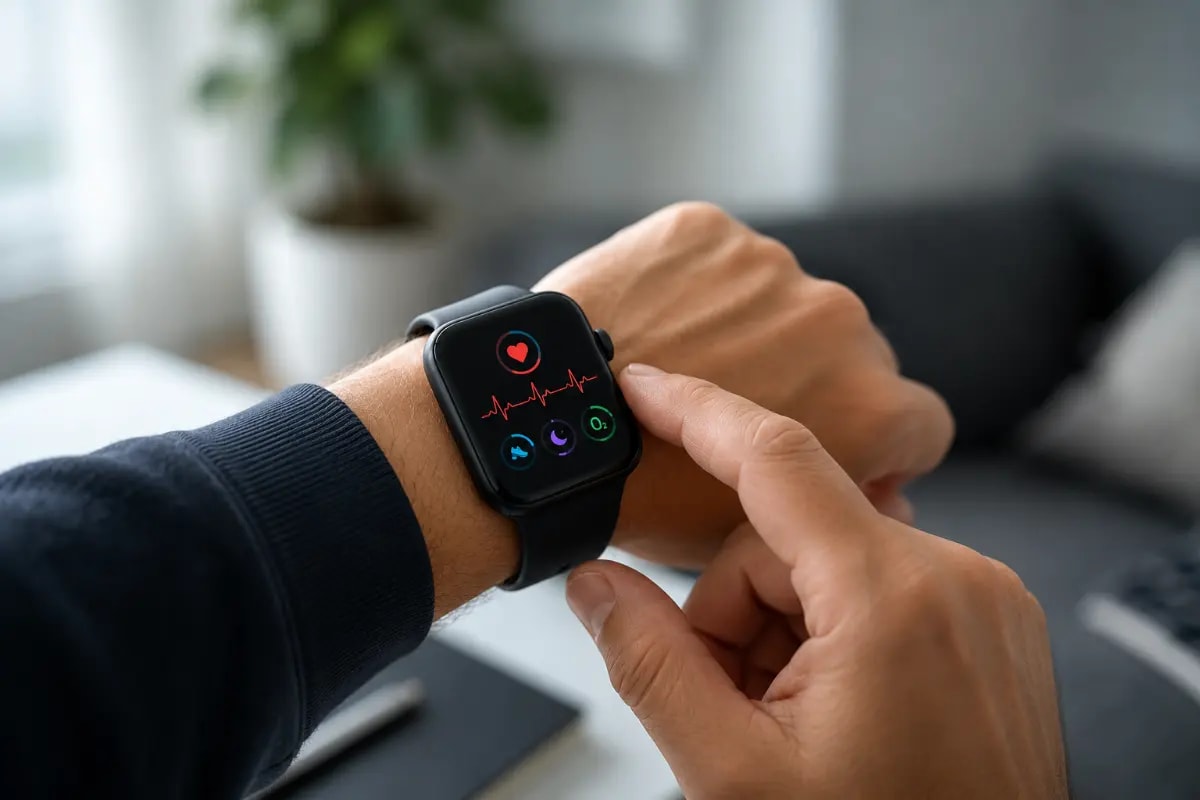
Researchers have conducted a preliminary evaluation of a smartwatch based automated lifelogging platform for post stroke patients, demonstrating its feasibility in real world settings. The study, which collected data from stroke survivors, suggests that wearable technology could enhance remote monitoring, improve rehabilitation outcomes, and provide clinicians with objective recovery metrics. While challenges remain, the findings highlight the potential for digital health tools to transform post stroke care.
What We Know
A recent study explored the use of smartwatches to automatically track the daily activities and health metrics of post stroke patients. The research, published in a peer reviewed journal, involved real world data collection from individuals recovering from stroke, assessing whether wearable devices could reliably capture key recovery indicators such as physical activity, heart rate, and sleep patterns.
The platform leveraged built in smartwatch sensors to passively record data without requiring active patient input. This approach aims to reduce the burden on patients while providing clinicians with continuous, objective insights into recovery progress. Early results indicate that the system can effectively monitor trends in mobility, cardiovascular health, and rest, which are critical factors in stroke rehabilitation.
Key Findings
The study found that smartwatch based lifelogging is feasible for post stroke patients, with participants successfully using the devices in their daily lives. Data collected included step counts, heart rate variability, and sleep duration, all of which are relevant to stroke recovery. Researchers noted that the platform could detect changes in activity levels over time, potentially allowing for early intervention if a patient's recovery stalls or declines.
One of the most promising aspects of the study was the ability to correlate smartwatch data with clinical assessments. For example, increased physical activity tracked by the device aligned with improvements in standard rehabilitation measures. This suggests that wearable technology could complement traditional clinical evaluations, offering a more comprehensive view of a patient's progress outside of medical appointments.
Why This Matters
Stroke is a leading cause of long term disability worldwide, and effective rehabilitation is crucial for improving quality of life. However, traditional monitoring methods often rely on periodic clinic visits, which may not capture the full picture of a patient's recovery. Smartwatch based platforms could bridge this gap by providing real time data, enabling more personalized and timely interventions.
The potential benefits extend beyond individual patient care. If scaled, such technology could help healthcare systems allocate resources more efficiently by identifying patients who need additional support. It could also reduce the need for in person visits, which is particularly valuable for patients in remote areas or those with limited mobility.
Challenges and Limitations
While the study's results are encouraging, several challenges remain. Data accuracy is a key concern, as smartwatch sensors may not always capture movements or vital signs with clinical precision. Additionally, the study's sample size was relatively small, and further research is needed to validate the platform's effectiveness across diverse populations.
Another consideration is patient compliance. Although the platform is designed to be passive, some participants may forget to wear their devices or charge them regularly. Ensuring long term engagement will be critical for the success of such technologies in real world settings.
Expert Perspective
Dr. Sarah Thompson, a neurologist specializing in stroke rehabilitation, commented on the study's implications. "This technology has the potential to revolutionize how we monitor post stroke recovery," she said. "By providing continuous data, we can make more informed decisions about rehabilitation strategies and intervene earlier when issues arise. However, we must also address privacy concerns and ensure that the data is used responsibly."
What's Next
The researchers plan to expand the study to include a larger and more diverse group of participants. They also aim to refine the platform's algorithms to improve data accuracy and explore integration with electronic health records. If successful, this technology could become a standard tool in post stroke care, offering a new way to support patients throughout their recovery journey.
Key Takeaways
- Smartwatch based lifelogging is feasible for post stroke patients, providing continuous data on activity, heart rate, and sleep.
- The technology could enhance rehabilitation by offering real time insights and enabling early intervention.
- Challenges include data accuracy, patient compliance, and the need for larger scale validation.
Frequently Asked Questions
How do smartwatches help post stroke patients?
Smartwatches track physical activity, heart rate, and sleep patterns, providing clinicians with objective data to monitor recovery progress and adjust rehabilitation plans.
Are smartwatch data accurate enough for clinical use?
While promising, smartwatch data may not match clinical precision. Further research is needed to validate accuracy and reliability in diverse patient populations.
What are the limitations of this technology?
Key limitations include potential inaccuracies in sensor data, patient compliance issues, and the need for larger studies to confirm effectiveness across different stroke recovery scenarios.
Published by O. Ayodeji | Review by MedSense Editorial Board








DISCUSSION (0)
POST A COMMENT