
A US surgeon who contracted Ebola while working in the Democratic Republic of Congo has been discharged from a Berlin hospital after a 17 day treatment course, marking a rare but critical success in the fight against one of the world’s deadliest viruses. The Charité public hospital in Berlin confirmed the patient’s recovery on Saturday, offering a glimmer of hope amid ongoing Ebola outbreaks in Central Africa that have claimed thousands of lives in recent years. The case underscores both the risks faced by healthcare workers in Ebola endemic regions and the advances in treatment that have improved survival rates. While Ebola remains a formidable public health threat with a fatality rate as high as 90 percent in some outbreaks, this recovery highlights the potential of early intervention and specialized care. Public health experts are closely monitoring such cases for insights that could shape future response strategies.
What Happened
The Charité hospital in Berlin announced the discharge of a US surgeon who had been receiving treatment for Ebola since being evacuated from the Democratic Republic of Congo. The patient, whose identity has not been disclosed, was working in a region grappling with an active Ebola outbreak when he became infected. He was airlifted to Germany for specialized care and spent 17 days in isolation receiving experimental treatments and supportive therapy.
The hospital confirmed that the patient tested negative for the virus in two consecutive blood tests, meeting the World Health Organization’s criteria for recovery and discharge. While the specific treatments administered were not detailed, the case aligns with recent advancements in Ebola care, including the use of monoclonal antibody therapies and antiviral drugs that have shown promise in clinical trials.
Why Public Health Officials Are Concerned
Ebola virus disease remains one of the most lethal infectious diseases known to medicine. Outbreaks in Central and West Africa have demonstrated the virus’s ability to spread rapidly in communities with weak healthcare infrastructure, often overwhelming local response efforts. The 2014 2016 West Africa epidemic, which killed more than 11,000 people, exposed critical gaps in global preparedness and highlighted the need for rapid intervention, robust surveillance, and equitable access to experimental treatments.
Healthcare workers like the US surgeon are at particularly high risk due to their exposure to infected patients. The World Health Organization reports that more than 500 healthcare workers have been infected with Ebola during outbreaks since 2014, with a fatality rate exceeding 50 percent. This case serves as a reminder of the ongoing threat posed by Ebola, even as the world’s attention has shifted to other global health emergencies like COVID 19 and mpox.
Symptoms and Risk Factors
Ebola is transmitted through direct contact with the bodily fluids of infected individuals or contaminated surfaces. Early symptoms often mimic those of other febrile illnesses, including fever, fatigue, muscle pain, and headache. As the disease progresses, patients may experience vomiting, diarrhea, rash, and in severe cases, internal and external bleeding. The incubation period ranges from 2 to 21 days, making early detection and isolation critical to preventing transmission.
Risk factors for infection include caring for Ebola patients without adequate protective equipment, handling the bodies of deceased victims during traditional burial practices, and living in or traveling to regions with active outbreaks. Healthcare workers, laboratory personnel, and family members of infected individuals are among those at highest risk.
Who May Be Affected
While this case involves a US healthcare worker, Ebola outbreaks disproportionately affect communities in Central and West Africa. Countries like the Democratic Republic of Congo, Guinea, Sierra Leone, and Liberia have experienced repeated outbreaks due to factors such as weak healthcare systems, political instability, and cultural practices that facilitate transmission. Travelers to these regions, aid workers, and medical personnel deployed to outbreak zones are also at elevated risk.
The global nature of modern travel means that isolated cases can quickly become international concerns. The 2014 outbreak, for example, saw cases exported to the United States, Spain, and the United Kingdom, prompting widespread public alarm and underscoring the need for coordinated global response mechanisms.
Government and WHO Response
The World Health Organization has classified Ebola as a Public Health Emergency of International Concern during multiple outbreaks, most recently in 2019 and 2020 in the Democratic Republic of Congo. These declarations mobilize international resources, coordinate response efforts, and facilitate the deployment of experimental treatments and vaccines to affected regions.
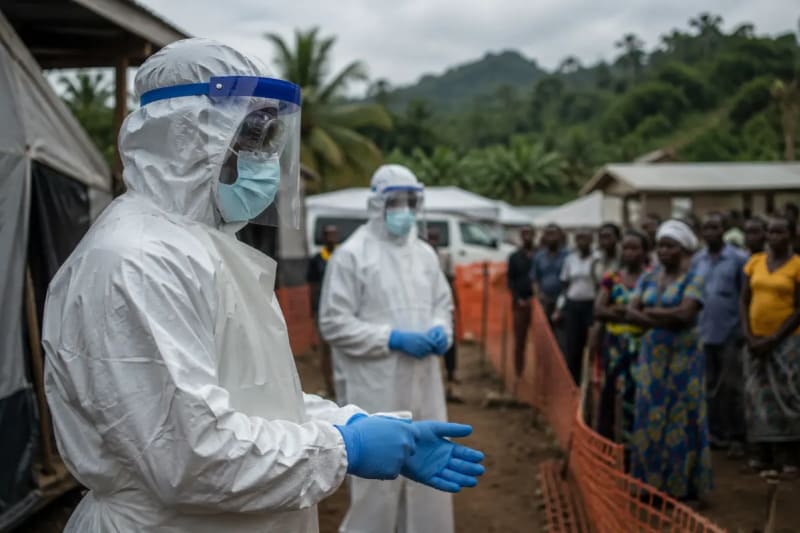
In this case, the German government and Charité hospital followed strict biosafety protocols to ensure the patient’s safe transport and treatment. The hospital’s specialized isolation unit, equipped with negative pressure rooms and advanced infection control measures, is one of a handful of facilities in Europe capable of safely treating highly contagious pathogens like Ebola. The successful outcome reflects the importance of investing in such infrastructure to manage rare but high consequence infectious diseases.
Prevention and Safety Guidance
Preventing Ebola transmission relies on a combination of surveillance, rapid response, and community engagement. Key strategies include:
- Early detection and isolation: Identifying and isolating cases within 24 hours of symptom onset can significantly reduce transmission.
- Contact tracing: Monitoring individuals who have been in contact with infected patients helps contain potential spread.
- Infection control: Healthcare workers must use personal protective equipment, including gloves, gowns, masks, and face shields, when caring for Ebola patients.
- Safe burial practices: Traditional burial rituals that involve washing or touching the deceased can facilitate transmission. Training communities in safe burial techniques is critical.
- Vaccination: The Ervebo vaccine, approved by the WHO and regulatory agencies in multiple countries, has been used to protect frontline workers and contacts of Ebola patients in outbreak zones.
For travelers to regions with active Ebola outbreaks, the Centers for Disease Control and Prevention recommends avoiding contact with blood and bodily fluids, refraining from handling items that may have been contaminated, and monitoring health for 21 days after returning.
What Readers Should Know
This case is a reminder that while Ebola remains a deadly threat, advances in medical care and public health preparedness are improving outcomes. The recovery of the US surgeon demonstrates the value of rapid evacuation to specialized treatment centers, a luxury not available to most patients in outbreak zones. It also highlights the ongoing need for global solidarity in supporting affected countries to build resilient healthcare systems capable of detecting and responding to outbreaks before they escalate.
For healthcare workers considering deployment to Ebola endemic regions, this case underscores the importance of rigorous training, adherence to infection control protocols, and access to experimental treatments. For the general public, it serves as a call to support international efforts to strengthen disease surveillance, vaccine development, and healthcare infrastructure in vulnerable regions.
Key Takeaways
- A US surgeon has recovered from Ebola after 17 days of treatment in a Berlin hospital, marking a rare success in the fight against the deadly virus.
- Ebola remains a significant public health threat, particularly in Central and West Africa, with a fatality rate as high as 90 percent in some outbreaks.
- Healthcare workers are at high risk of infection due to direct exposure to patients, emphasizing the need for strict infection control measures and access to experimental treatments.
- Advances in Ebola care, including monoclonal antibody therapies and vaccines, are improving survival rates, but equitable access to these treatments remains a challenge in outbreak zones.
- Prevention strategies such as early detection, contact tracing, safe burial practices, and vaccination are critical to containing Ebola outbreaks.
Frequently Asked Questions
What is Ebola, and how is it transmitted?
Ebola virus disease is a severe, often fatal illness caused by the Ebola virus. It is transmitted through direct contact with the bodily fluids of infected individuals, contaminated surfaces, or the bodies of deceased victims. The virus can also spread through contact with infected animals, such as bats or primates.
What are the symptoms of Ebola?
Early symptoms of Ebola include fever, fatigue, muscle pain, headache, and sore throat. As the disease progresses, patients may experience vomiting, diarrhea, rash, impaired kidney and liver function, and in some cases, internal and external bleeding.
How is Ebola treated?
There is no specific cure for Ebola, but supportive care such as rehydration, pain management, and treatment of secondary infections can improve survival rates. Experimental treatments, including monoclonal antibody therapies and antiviral drugs, have shown promise in clinical trials and are increasingly used in outbreak settings.
Is there a vaccine for Ebola?
Yes, the Ervebo vaccine has been approved by the WHO and regulatory agencies in multiple countries. It has been used to protect frontline workers and contacts of Ebola patients in outbreak zones, significantly reducing transmission rates.
What should travelers know about Ebola?
Travelers to regions with active Ebola outbreaks should avoid contact with blood and bodily fluids, refrain from handling items that may have been contaminated, and monitor their health for 21 days after returning. The CDC and WHO provide updated travel advisories and guidance for those visiting affected areas.
Medical Review: MedSense Editorial Board











DISCUSSION (0)
POST A COMMENT