
The Democratic Republic of Congo (DRC) is battling a rapidly escalating Ebola outbreak that has killed 65 people in recent weeks, according to the Africa Centres for Disease Control and Prevention (Africa CDC). The surge in cases, concentrated in the conflict affected regions of Mongwalu and Rwampara, has triggered an emergency response from regional health authorities.
Health officials warn that the true scale of the outbreak may be underreported due to limited testing capacity and restricted access in areas affected by ongoing violence. The Africa CDC has classified the situation as a public health emergency, citing concerns over the virus's high fatality rate and the potential for cross border spread.
What Happened
Since late 2023, the DRC has reported a sharp increase in Ebola cases in Mongwalu and Rwampara, two regions plagued by armed conflict and weak healthcare infrastructure. The Africa CDC confirmed 65 deaths linked to the outbreak, with additional suspected cases under investigation. Health workers report that transmission has accelerated in densely populated areas where access to medical care is limited.
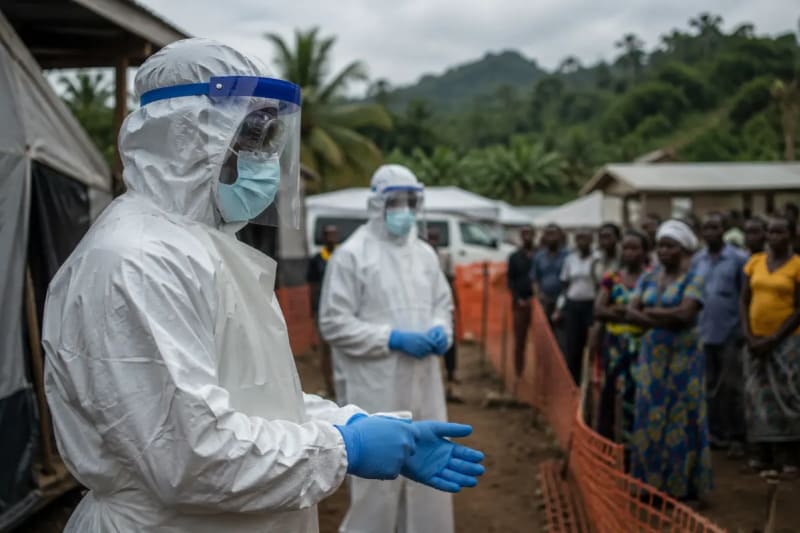
Local health authorities, in collaboration with international partners, have begun deploying rapid response teams to trace contacts, isolate patients, and distribute protective equipment. However, logistical challenges, including security risks and inadequate cold chain storage for vaccines, continue to hamper efforts.
Why Public Health Officials Are Concerned
Ebola's rapid transmission in conflict zones presents unique challenges. The virus spreads through direct contact with bodily fluids, and symptoms such as fever, severe headache, and gastrointestinal distress can emerge within days of exposure. The World Health Organization (WHO) has identified this strain as highly virulent, with a fatality rate exceeding 50% in previous outbreaks.
Public health experts are particularly alarmed by the risk of underreporting. With limited laboratory capacity in the region, many cases may go undetected, allowing the virus to spread unchecked. The Africa CDC has urged neighboring countries to strengthen border surveillance to prevent further transmission.
Symptoms or Risk Factors
Ebola symptoms typically appear 2 to 21 days after exposure and include:
- Sudden onset of fever
- Severe headache and muscle pain
- Vomiting and diarrhea
- Unexplained bleeding or bruising
Individuals with a history of travel to affected areas or contact with infected persons are at highest risk. Health authorities emphasize that early detection and isolation are critical to reducing mortality and preventing further spread.
Who May Be Affected
The outbreak poses the greatest threat to residents of Mongwalu and Rwampara, where healthcare access is already compromised by conflict. Healthcare workers, who are on the front lines of the response, face an elevated risk of infection due to inadequate protective gear and training gaps.
Travelers to the DRC, particularly those visiting high risk regions, should monitor travel advisories from the WHO and Africa CDC. Non essential travel to outbreak zones is strongly discouraged until the situation stabilizes.
Government or WHO Response
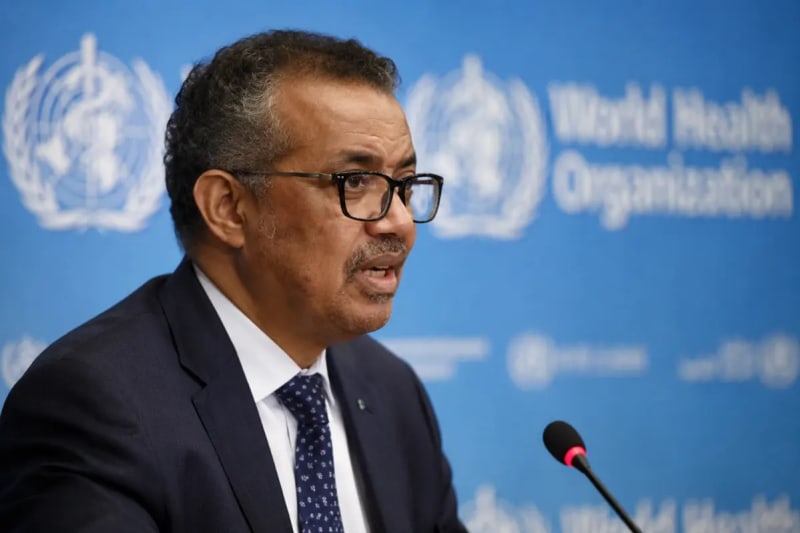
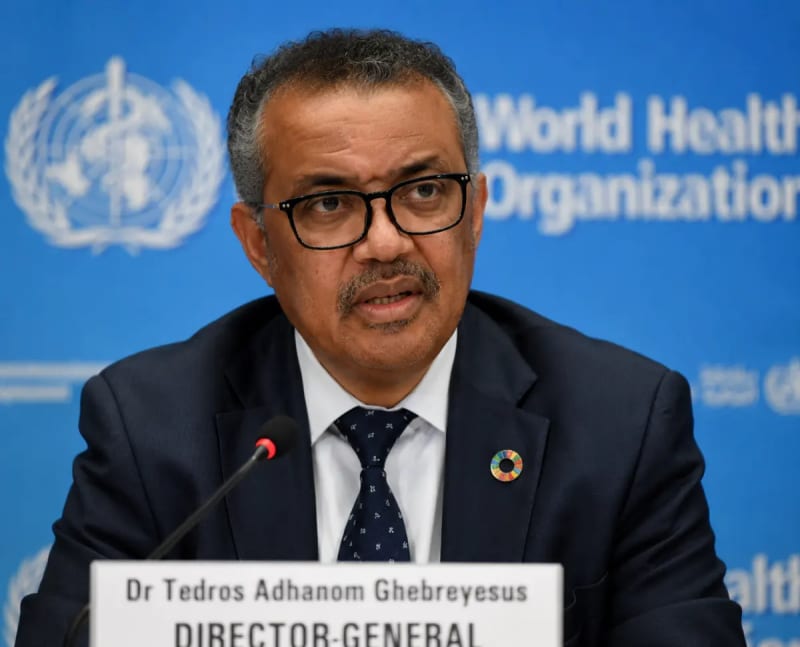
The Africa CDC has activated its Emergency Operations Centre to coordinate the regional response, including the deployment of medical teams and supplies. The WHO has provided technical support, including laboratory testing kits and training for local health workers.
In a statement, the Africa CDC called for urgent funding to support outbreak containment efforts, warning that delays could lead to a repeat of the 2014 2016 West Africa Ebola epidemic, which resulted in over 11,000 deaths. The DRC government has declared a health emergency in the affected provinces and is working with international partners to secure additional resources.
Prevention and Safety Guidance
To reduce the risk of infection, health authorities recommend the following measures:
- Avoid close contact with individuals showing symptoms of Ebola.
- Practice frequent hand hygiene using soap and water or alcohol based sanitizers.
- Do not handle dead bodies or participate in traditional burial practices in affected areas.
- Wear protective clothing, including gloves and masks, when caring for sick individuals.
- Monitor travel advisories and avoid non essential travel to outbreak zones.
For healthcare workers, the WHO has issued guidelines on infection prevention and control, including the proper use of personal protective equipment (PPE) and safe burial practices.
What Readers Should Know
This outbreak highlights the vulnerabilities of public health systems in conflict affected regions. While Ebola vaccines are available, their distribution is hindered by logistical challenges, including the need for cold chain storage and security concerns. Community engagement is essential to ensure that prevention messages reach at risk populations.
Readers should stay informed through updates from the Africa CDC, WHO, and DRC Ministry of Health. Early reporting of symptoms and adherence to prevention guidelines can help curb the spread of the virus and save lives.
Key Takeaways
- The DRC's Ebola outbreak has caused 65 confirmed deaths in Mongwalu and Rwampara, with underreporting likely due to limited testing and conflict related access issues.
- Health officials warn of rapid transmission in densely populated areas, with a fatality rate exceeding 50% for this strain.
- The Africa CDC and WHO have mobilized emergency response teams, but logistical challenges, including security risks and vaccine storage, continue to hinder efforts.
- Prevention measures include avoiding contact with sick individuals, practicing hand hygiene, and monitoring travel advisories.
- Community engagement and early detection are critical to preventing a larger scale outbreak.
Frequently Asked Questions
How is Ebola transmitted?
Ebola spreads through direct contact with the blood, bodily fluids, or contaminated surfaces of infected individuals or animals. It is not airborne and requires close physical interaction for transmission.
What are the early symptoms of Ebola?
Early symptoms include sudden fever, severe headache, muscle pain, fatigue, and gastrointestinal issues such as vomiting and diarrhea. Symptoms typically appear within 2 to 21 days of exposure.
Is there a vaccine for Ebola?
Yes, several Ebola vaccines have been developed and approved, including the rVSV ZEBOV vaccine. However, distribution in conflict zones is challenging due to logistical and security constraints.
What should travelers do if they have visited an Ebola affected area?
Travelers should monitor their health for 21 days after returning. If symptoms develop, seek immediate medical attention and inform healthcare providers about recent travel history.
How can communities help prevent the spread of Ebola?
Communities can support prevention efforts by reporting suspected cases to health authorities, practicing hand hygiene, avoiding contact with sick individuals, and participating in public health education campaigns.
Medical Review: MedSense Editorial Board













DISCUSSION (0)
POST A COMMENT