
What Happened
Ugandan health authorities confirmed three Ebola cases on Wednesday, all traced to the ongoing outbreak in the Democratic Republic of Congo. The patients, whose identities remain confidential, are receiving treatment in isolation facilities while contact tracing efforts are underway to identify and monitor individuals who may have been exposed. The cases mark the first documented spillover of the current DRC outbreak into Uganda, raising concerns about regional containment efforts.
The WHO’s decision to elevate the risk level for the DRC to "very high" reflects the outbreak’s rapid expansion and the potential for further international spread. As of the latest reports, the DRC has recorded over 2,000 cases and nearly 1,400 deaths since the outbreak began in August 2023, making it one of the most severe Ebola crises in recent history. The virus’s ability to cross borders highlights the vulnerability of neighboring countries, particularly those with shared trade routes, refugee populations, and informal border crossings.
Why Public Health Officials Are Concerned
Ebola’s high fatality rate and lack of a licensed vaccine for the Sudan strain circulating in Uganda make this outbreak particularly dangerous. Unlike the Zaire strain, which has an effective vaccine, the Sudan strain has no proven preventive measure, leaving healthcare workers and communities reliant on traditional containment strategies: isolation, contact tracing, and strict infection control.
The WHO’s risk assessment also factors in the logistical challenges of responding to an outbreak in conflict affected regions. The DRC’s North Kivu province, the epicenter of the current crisis, has been plagued by armed conflict, displacement, and distrust of health authorities. These conditions complicate efforts to track cases, deliver medical supplies, and educate communities about prevention. Uganda, while more stable, faces its own challenges, including limited healthcare resources in rural areas and the need to balance outbreak response with ongoing efforts to combat other infectious diseases like malaria and HIV.
Symptoms and Risk Factors
Ebola typically presents with sudden onset of fever, fatigue, muscle pain, headache, and sore throat, followed by vomiting, diarrhea, rash, and in severe cases, internal and external bleeding. Symptoms can appear anywhere from 2 to 21 days after exposure, with an average incubation period of 8 to 10 days. The virus spreads through direct contact with bodily fluids of infected individuals or contaminated surfaces, making healthcare workers, family caregivers, and burial teams particularly vulnerable.
Risk factors for transmission include:
- Direct contact with blood or bodily fluids of a symptomatic or deceased Ebola patient.
- Handling or consuming bushmeat from infected animals, such as bats or primates.
- Attending traditional burials where mourners touch the deceased.
- Working in healthcare settings without proper protective equipment.
Who May Be Affected
The current outbreak poses the greatest risk to individuals in Uganda’s western districts bordering the DRC, particularly those living in communities with frequent cross border movement. Healthcare workers, laboratory staff, and first responders are also at elevated risk due to their potential exposure to infected patients. Travelers to affected regions should remain vigilant, as international spread, though rare, remains a possibility, particularly if cases go undetected in urban centers with high population density.
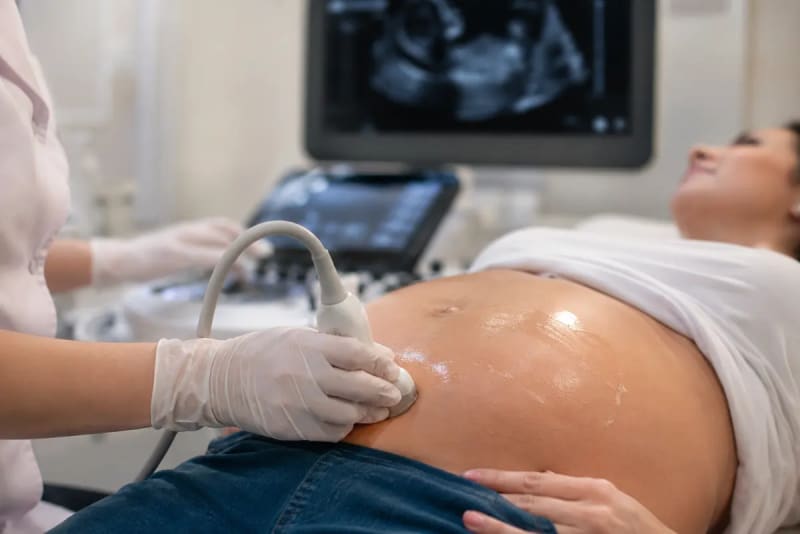
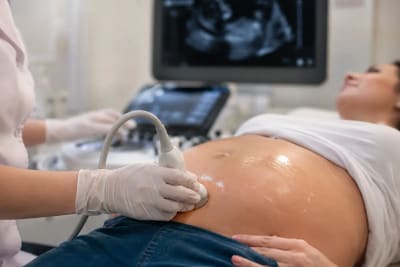
Children, the elderly, and individuals with underlying health conditions, such as HIV or malnutrition, may experience more severe symptoms and higher mortality rates. Pregnant women are also at increased risk of complications, including miscarriage and maternal death.
Government and WHO Response
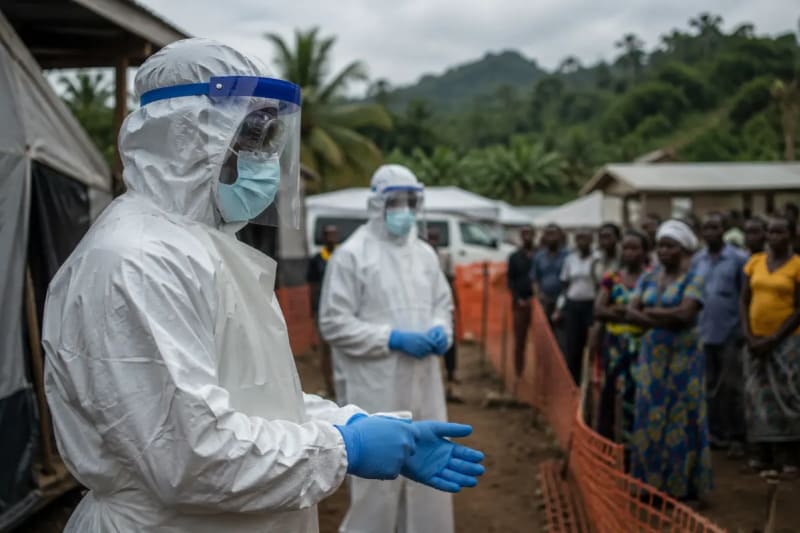
Uganda’s Ministry of Health has activated its National Task Force for Ebola, coordinating with the WHO, the Africa Centres for Disease Control and Prevention, and other international partners to scale up response efforts. Measures include:
- Enhanced surveillance at border crossings and healthcare facilities to detect and isolate cases early.
- Deployment of rapid response teams to affected districts to conduct contact tracing and community education.
- Establishment of isolation and treatment centers in high risk areas.
- Training for healthcare workers on infection prevention and control, including the use of personal protective equipment.
- Public awareness campaigns to dispel myths and encourage reporting of symptoms.
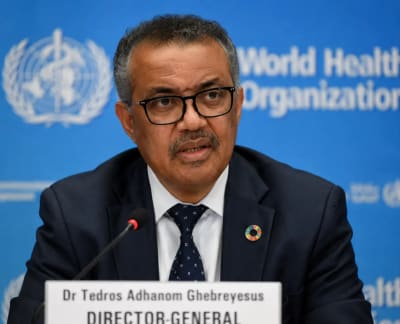
The WHO has also released emergency funding to support Uganda’s response and is assisting with the procurement of medical supplies, including experimental treatments for the Sudan strain. While no licensed vaccine exists for this strain, clinical trials for potential candidates are underway, with results expected in the coming months.
Prevention and Safety Guidance
Preventing Ebola transmission relies on a combination of individual vigilance and community wide efforts. The WHO and Uganda’s Ministry of Health recommend the following precautions:
- Avoid contact with bodily fluids: Do not touch blood, vomit, urine, feces, sweat, or saliva of individuals showing Ebola symptoms. Use gloves and protective equipment if caring for a sick person.
- Practice safe burials: Traditional burial practices that involve washing or touching the deceased should be avoided. Only trained teams equipped with protective gear should handle burials of suspected or confirmed Ebola cases.
- Wash hands frequently: Use soap and clean water or alcohol based hand sanitizer, especially after visiting healthcare facilities or coming into contact with sick individuals.
- Avoid bushmeat: Refrain from handling or consuming meat from wild animals, including bats, monkeys, and forest antelopes, which can carry the virus.
- Isolate sick individuals: If someone in your household develops Ebola like symptoms, isolate them immediately and alert health authorities. Avoid sharing bedding, clothing, or utensils with the sick person.
- Travel advisories: Travelers to Uganda or the DRC should monitor their health for 21 days after returning and seek medical attention if symptoms develop. Avoid non essential travel to outbreak affected areas.
What Readers Should Know
Ebola outbreaks, while devastating, are not unstoppable. Past responses in West Africa and the DRC have demonstrated that early detection, community engagement, and robust healthcare infrastructure can bring outbreaks under control. However, the current situation in Uganda and the DRC underscores the need for sustained investment in public health systems, particularly in regions vulnerable to infectious disease threats.
For those living in or traveling to affected areas, staying informed and adhering to public health guidance is critical. Misinformation and fear can hinder response efforts, so rely on trusted sources like the WHO, Uganda’s Ministry of Health, and reputable news outlets for updates. If you suspect you or someone you know has been exposed to Ebola, seek medical attention immediately, early treatment can improve survival rates and reduce the risk of transmission to others.
Global health agencies continue to monitor the situation closely, and further updates are expected as the response evolves. The international community’s support, including funding, technical expertise, and medical supplies, will play a crucial role in containing this outbreak before it escalates further.
Key Takeaways
- Uganda has confirmed three Ebola cases linked to the ongoing outbreak in the Democratic Republic of Congo, marking the first cross border spread of the current crisis.
- The WHO has raised the global risk level for the DRC outbreak to "very high," citing the virus’s potential to spread internationally and the challenges of containment in conflict affected regions.
- There is no licensed vaccine for the Sudan strain of Ebola currently circulating in Uganda, increasing the urgency of traditional containment measures like isolation, contact tracing, and infection control.
- Symptoms of Ebola include fever, fatigue, vomiting, diarrhea, and in severe cases, internal and external bleeding. The virus spreads through direct contact with bodily fluids or contaminated surfaces.
- Prevention relies on avoiding contact with infected individuals, practicing safe burials, frequent handwashing, and avoiding bushmeat. Travelers to affected regions should monitor their health for 21 days after exposure.
Frequently Asked Questions
What is Ebola, and how does it spread?
Ebola is a severe, often fatal illness caused by the Ebola virus. It spreads through direct contact with the blood or bodily fluids of infected individuals, contaminated surfaces, or the bodies of deceased Ebola patients. It can also spread through contact with infected animals, such as bats or primates.
Is there a vaccine for the Sudan strain of Ebola?
No, there is currently no licensed vaccine for the Sudan strain of Ebola. However, clinical trials for potential vaccines are underway, and experimental treatments may be available for patients under compassionate use protocols.
What should I do if I suspect I’ve been exposed to Ebola?
If you suspect exposure, isolate yourself immediately and contact local health authorities or a healthcare provider. Avoid contact with others and do not travel. Early medical attention can improve outcomes and reduce the risk of transmission.
How can communities prevent Ebola transmission?
Communities can prevent transmission by avoiding contact with bodily fluids of sick individuals, practicing safe burials, washing hands frequently, and avoiding bushmeat. Public health campaigns and education are also critical to dispelling myths and encouraging reporting of symptoms.
What is the fatality rate of Ebola?
The fatality rate of Ebola varies by outbreak and strain but can range from 25% to 90%. Early supportive care, such as rehydration and treatment of symptoms, can improve survival rates.
Medical Review: MedSense Editorial Board











DISCUSSION (0)
POST A COMMENT