
What Happened
Uganda’s Ministry of Health has publicly condemned air travel restrictions imposed by several countries following the confirmation of an Ebola outbreak in the western district of Mubende. The outbreak, caused by the Sudan strain of the virus, was declared on September 20 after a 24 year old man died from the disease. Since then, Uganda has reported 19 confirmed cases and two deaths, a case fatality rate of approximately 10.5 percent, significantly lower than the historical average of 50 percent for Ebola outbreaks.
Despite the country’s rapid mobilization of contact tracing, isolation facilities, and community engagement, some nations have imposed flight bans or heightened screening requirements for travelers arriving from Uganda. The Ugandan government has called these measures disproportionate, arguing they penalize a country that has demonstrated strong outbreak control rather than rewarding transparency and effective response.
Why Public Health Officials Are Concerned
Travel restrictions during infectious disease outbreaks remain one of the most contentious issues in global health security. While such measures may seem like a logical precaution, decades of epidemiological evidence suggest they often fail to prevent the spread of disease and can have unintended consequences.
The World Health Organization (WHO) has repeatedly advised against blanket travel bans, citing their limited effectiveness in containing outbreaks like Ebola, SARS, or COVID 19. In a 2020 guidance document, the WHO noted that travel restrictions can disrupt the flow of medical supplies, personnel, and humanitarian aid, critical resources during an outbreak. They can also create economic hardship, discourage affected countries from reporting cases promptly, and push travel underground, making surveillance more difficult.
Dr. Matshidiso Moeti, WHO Regional Director for Africa, commended Uganda’s response, stating that the country’s experience with previous Ebola outbreaks has enabled a rapid and coordinated reaction. She emphasized that travel bans risk undermining the very systems that have made Uganda’s containment efforts successful.
Who May Be Affected
The immediate impact of the travel restrictions falls on Ugandan travelers, including medical professionals, researchers, and businesspeople who rely on international mobility. However, the broader consequences extend to the country’s economy, which depends on tourism, trade, and cross border collaboration in health and agriculture.
For the global health community, the controversy serves as a test case for how the world responds to localized outbreaks in an era of heightened pandemic awareness. The way Uganda’s situation is handled could set a precedent for future responses to emerging infectious diseases, particularly in regions with strong public health infrastructure.
Government and WHO Response
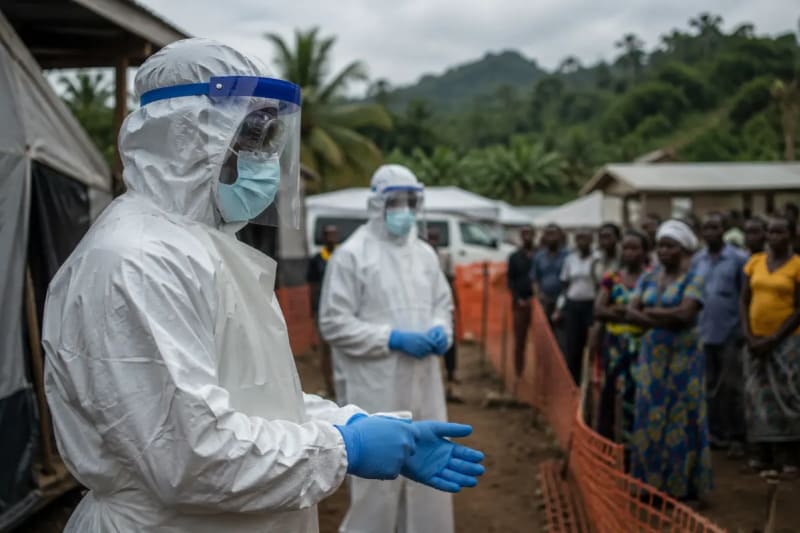
The Ugandan government has activated its National Task Force for Epidemic Response, deploying rapid response teams to affected districts and establishing isolation and treatment centers. The country has also implemented community based surveillance, with village health teams trained to recognize symptoms and report suspected cases.
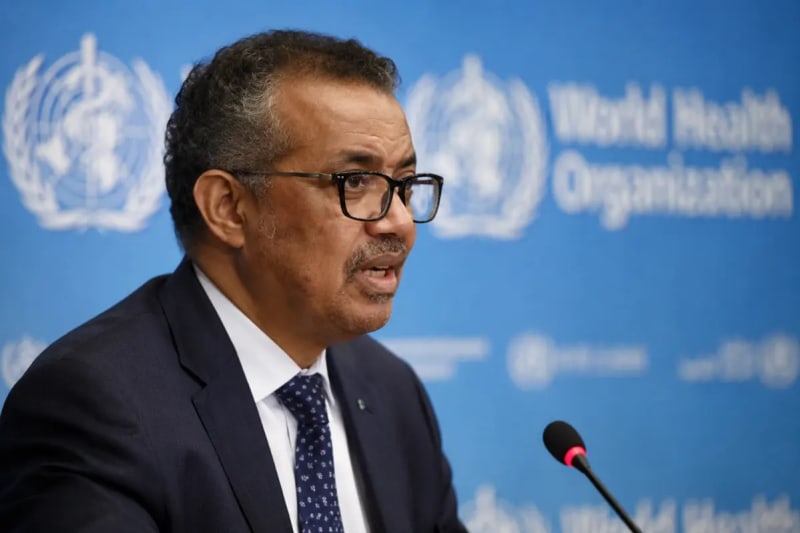
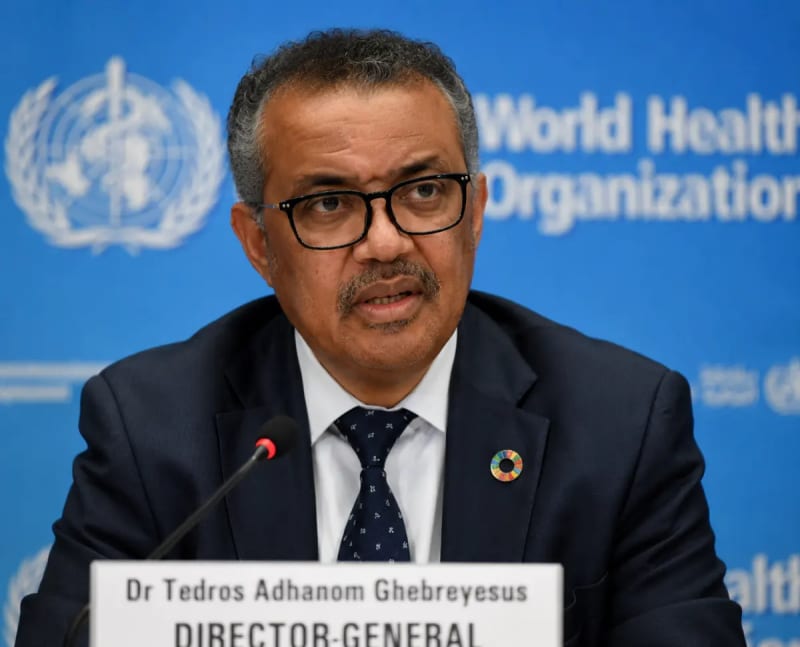
The WHO has provided technical support, including laboratory diagnostics, infection prevention and control measures, and risk communication strategies. The organization has not issued any travel advisories against Uganda, instead urging countries to base their decisions on risk assessments and scientific evidence.
In a statement, Uganda’s Minister of Health, Dr. Jane Ruth Aceng, called on the international community to lift the restrictions, arguing that they send the wrong message to countries that invest in outbreak preparedness. She warned that such measures could discourage other nations from reporting outbreaks early, fearing economic and diplomatic repercussions.
Prevention and Safety Guidance
For travelers to or from Uganda, health authorities recommend the following precautions:
- Stay informed about the outbreak’s status through official sources like the WHO or Uganda’s Ministry of Health.
- Practice good hand hygiene, including frequent handwashing with soap and water or using alcohol based hand sanitizers.
- Avoid contact with bodily fluids of infected individuals or animals, including bats and non human primates, which are known reservoirs of the Ebola virus.
- Healthcare workers should adhere to strict infection prevention and control measures, including the use of personal protective equipment (PPE) when caring for suspected or confirmed cases.
- Travelers who develop symptoms such as fever, fatigue, muscle pain, headache, or unexplained bleeding within 21 days of leaving an affected area should seek medical attention immediately and inform healthcare providers of their travel history.
What Readers Should Know
Uganda’s handling of the current Ebola outbreak offers a rare example of successful containment in a region where the disease has caused devastating losses in the past. The country’s ability to limit fatalities to just two cases reflects years of investment in public health infrastructure, community engagement, and cross border collaboration with neighboring countries like the Democratic Republic of Congo.
The controversy over travel restrictions underscores a critical dilemma in global health: how to balance precaution with pragmatism. While the impulse to restrict movement during an outbreak is understandable, history shows that such measures often fail to achieve their intended goal. Instead, they can erode trust, disrupt essential services, and discourage the very transparency that is vital to controlling infectious diseases.
For now, the focus remains on supporting Uganda’s efforts to stamp out the outbreak at its source. The international community’s response, whether through solidarity or isolation, will shape not only this outbreak’s trajectory but also the future of global health security.
Key Takeaways
- Uganda has reported 19 confirmed Ebola cases and two deaths, with a case fatality rate far below historical averages due to rapid containment efforts.
- The country has condemned international air travel restrictions as unfair and counterproductive, arguing they disrupt critical supply chains and discourage outbreak transparency.
- The WHO and public health experts warn that travel bans often fail to prevent disease spread and can undermine outbreak response efforts.
- Uganda’s successful containment highlights the importance of investment in public health infrastructure and community based surveillance.
- Travelers to or from Uganda should follow standard infection prevention measures and stay informed through official health sources.
Frequently Asked Questions
Why is Uganda criticizing travel restrictions despite an active Ebola outbreak?
Uganda argues that travel bans are disproportionate given its effective containment efforts and can disrupt medical supply chains, deter transparency, and harm the economy without significantly reducing disease spread. Public health experts, including the WHO, support this view, citing evidence that such restrictions often backfire.
How effective are travel bans in stopping the spread of Ebola?
Travel bans have limited effectiveness in containing Ebola or other infectious diseases. Studies show they can delay but not prevent the spread of outbreaks, while also disrupting critical resources like medical supplies and personnel. The WHO advises against blanket travel restrictions, recommending targeted measures based on risk assessments instead.
What precautions should travelers take when visiting Uganda during the outbreak?
Travelers should practice good hand hygiene, avoid contact with bodily fluids or animals that may carry the virus, and monitor their health for symptoms like fever, fatigue, or unexplained bleeding for 21 days after leaving the affected area. Healthcare workers should follow strict infection prevention protocols.
What has Uganda done to contain the Ebola outbreak?
Uganda has activated its National Task Force for Epidemic Response, deployed rapid response teams, established isolation and treatment centers, and implemented community based surveillance. The country’s experience with previous outbreaks has enabled a swift and coordinated response, limiting the spread of the virus.
Could this outbreak spread beyond Uganda?
While the risk of widespread international spread remains low due to Uganda’s containment efforts, localized transmission in border regions is possible. The WHO and regional partners are monitoring the situation closely and supporting cross border collaboration to prevent further spread.
Medical Review: MedSense Editorial Board












DISCUSSION (0)
POST A COMMENT