What Happened
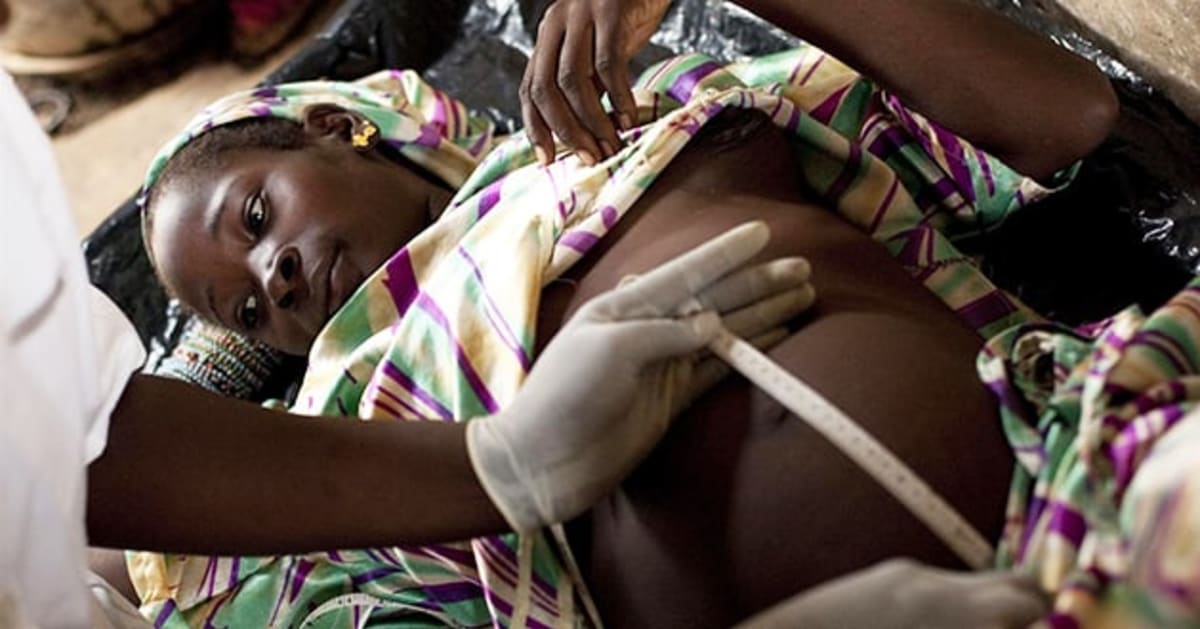
During a recent medical outreach and awareness campaign in Gombe State, healthcare professionals sounded the alarm over the escalating cases of preeclampsia and related hypertensive disorders in pregnancy. The condition, which typically emerges after the 20th week of gestation, is characterized by elevated blood pressure and can lead to severe complications, including seizures, stroke, organ failure, and death if left untreated. Experts at the event described the trend as a "ticking time bomb," with the North East region bearing a disproportionate burden of maternal and neonatal fatalities linked to the disorder.
While preeclampsia is a global health concern, its impact in Nigeria is particularly acute. The country accounts for nearly 20% of global maternal deaths, with hypertensive disorders contributing significantly to this statistic. In the North East, where conflict, displacement, and economic hardship have weakened healthcare infrastructure, the situation is even more dire. Many women in the region lack access to early prenatal care, a critical factor in detecting and managing the condition before it becomes fatal.
Why Public Health Officials Are Concerned
Preeclampsia is not just a medical issue; it is a public health crisis with far reaching consequences. The condition is responsible for up to 15% of direct maternal deaths worldwide, and its complications can have lifelong effects on both mothers and infants. In Nigeria, where the maternal mortality ratio stands at 512 deaths per 100,000 live births, one of the highest in the world, the rise in preeclampsia cases threatens to reverse hard won progress in maternal health.
Public health officials are particularly alarmed by the preventable nature of many of these deaths. Preeclampsia can often be managed with early detection, regular blood pressure monitoring, and timely medical intervention. However, in the North East, factors such as poverty, limited healthcare facilities, and low awareness of the condition’s warning signs are creating a perfect storm. Many women only seek medical attention when symptoms become severe, by which point the condition may have already progressed to eclampsia, a life threatening complication.
Additionally, the region’s ongoing security challenges have disrupted healthcare services, making it difficult for women to access consistent prenatal care. Displacement due to conflict has further strained resources, leaving many pregnant women without the support they need to navigate a high risk pregnancy.
Symptoms or Risk Factors
Preeclampsia often develops without noticeable symptoms in its early stages, which is why regular prenatal checkups are essential. However, as the condition progresses, women may experience:
- Persistent headaches that do not respond to typical pain relief
- Vision changes, such as blurred vision or light sensitivity
- Swelling in the hands, face, or feet, though some swelling is normal during pregnancy
- Sudden weight gain, often due to fluid retention
- Upper abdominal pain, usually under the ribs on the right side
- Nausea or vomiting, particularly in the second half of pregnancy
- Shortness of breath, caused by fluid in the lungs
Certain factors increase the risk of developing preeclampsia, including:
- First time pregnancies or pregnancies with a new partner
- A history of preeclampsia in previous pregnancies
- Chronic hypertension or kidney disease
- Obesity or a body mass index (BMI) of 30 or higher
- Multiple pregnancies, such as twins or triplets
- Maternal age over 35 or under 20
- Autoimmune disorders, such as lupus or antiphospholipid syndrome
Who May Be Affected
The rise in preeclampsia cases in the North East disproportionately affects women in rural and underserved communities, where healthcare access is limited. However, the condition does not discriminate, it can affect any pregnant woman, regardless of socioeconomic status. In Nigeria, where cultural practices and economic constraints often delay prenatal care, the risk is heightened for:
- Women in remote areas with little to no access to healthcare facilities
- Adolescent mothers, who may lack awareness of pregnancy related complications
- Women with pre existing health conditions, such as diabetes or hypertension
- Those experiencing their first pregnancy, who may not recognize warning signs
- Families displaced by conflict, who face additional barriers to consistent care
Newborns are also at significant risk. Preeclampsia can lead to preterm birth, low birth weight, and stillbirth. Infants born to mothers with the condition may face long term health challenges, including developmental delays and an increased risk of chronic diseases later in life.
Government or WHO Response
While the Nigerian government has made strides in improving maternal health through initiatives like the Midwives Service Scheme and the Saving One Million Lives program, experts argue that more targeted efforts are needed to address preeclampsia specifically. In Gombe State, local health authorities have begun scaling up awareness campaigns, training community health workers to recognize early signs of the condition, and improving access to magnesium sulfate, a critical drug for preventing and treating eclampsia.
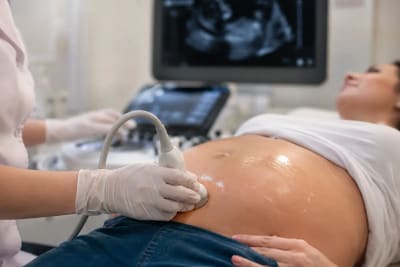
The World Health Organization (WHO) has also emphasized the need for stronger prenatal care systems in low resource settings. In its recommendations, the WHO highlights the importance of regular blood pressure monitoring, urine tests to detect protein (a key indicator of preeclampsia), and education on danger signs during pregnancy. However, translating these guidelines into action remains a challenge in regions like the North East, where healthcare infrastructure is fragile.
International organizations, including UNICEF and the United Nations Population Fund (UNFPA), have called for increased investment in maternal health services, particularly in conflict affected areas. Their advocacy focuses on strengthening primary healthcare centers, ensuring the availability of essential medicines, and training frontline health workers to manage high risk pregnancies.
Prevention and Safety Guidance
Preventing preeclampsia related deaths requires a multi faceted approach, combining individual awareness, healthcare system improvements, and policy changes. Here’s what women, families, and communities can do to reduce risks:
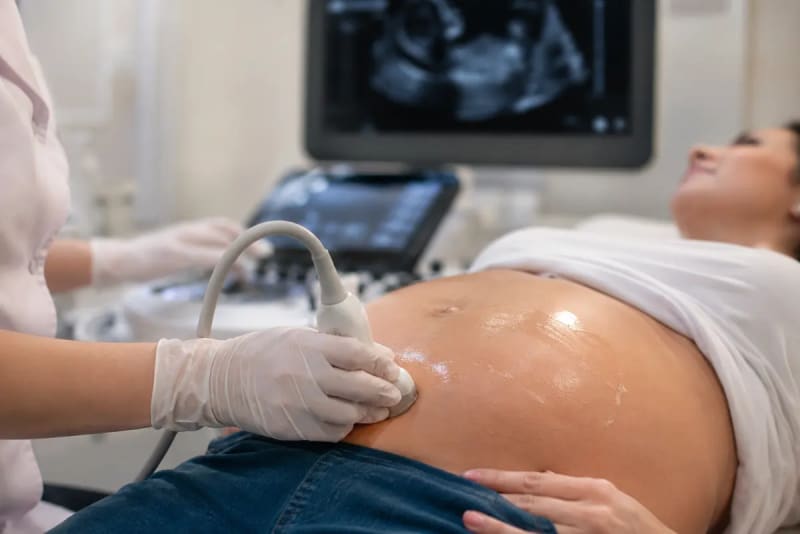
- Prioritize early and regular prenatal care: Women should begin antenatal visits as soon as they confirm pregnancy and attend all scheduled checkups. Early detection of high blood pressure or protein in the urine can prevent complications.
- Monitor blood pressure at home: For women in remote areas, community health workers can provide blood pressure monitors and training on how to use them. Any reading above 140/90 mmHg should prompt immediate medical attention.
- Recognize warning signs: Families should be educated on the symptoms of preeclampsia, such as severe headaches, vision changes, and sudden swelling. Prompt action can save lives.
- Improve nutrition: A balanced diet rich in calcium, magnesium, and antioxidants may help reduce the risk of preeclampsia. Women should avoid excessive salt and processed foods, which can contribute to high blood pressure.
- Address underlying health conditions: Women with chronic hypertension, diabetes, or kidney disease should work closely with their healthcare providers to manage these conditions before and during pregnancy.
- Advocate for better healthcare access: Communities can push for improved infrastructure, including more primary healthcare centers, trained midwives, and emergency transport systems for high risk pregnancies.
What Readers Should Know
Preeclampsia is a preventable and manageable condition, but its rise in Nigeria’s North East underscores the urgent need for systemic change. While individual actions, such as attending prenatal visits and monitoring symptoms, are critical, lasting solutions require government commitment, international support, and community engagement. For women in the region, knowledge is power: understanding the risks, recognizing the signs, and seeking care early can mean the difference between life and death.
Healthcare providers also play a pivotal role. By prioritizing prenatal education, improving diagnostic capabilities, and ensuring access to life saving treatments, they can help turn the tide on this growing crisis. The time to act is now, before another mother or newborn becomes a statistic in Nigeria’s maternal health emergency.
Key Takeaways
- Preeclampsia is a leading cause of maternal and newborn deaths in Nigeria’s North East, with cases rising due to limited healthcare access and late prenatal visits.
- Early detection through regular blood pressure monitoring and urine tests is critical to managing the condition and preventing life threatening complications like eclampsia.
- Women in rural and conflict affected areas are at higher risk, but preeclampsia can affect any pregnant woman regardless of socioeconomic status.
- Prevention strategies include early and consistent prenatal care, home blood pressure monitoring, recognizing warning signs, and improving nutrition.
- Government and international organizations must invest in healthcare infrastructure, training for frontline workers, and awareness campaigns to address the crisis.
Frequently Asked Questions
What is preeclampsia, and how is it different from normal pregnancy symptoms?
Preeclampsia is a pregnancy related condition characterized by high blood pressure and often damage to organs like the liver or kidneys. Unlike normal pregnancy symptoms, such as mild swelling or fatigue, preeclampsia can cause severe headaches, vision changes, sudden weight gain, and upper abdominal pain. If left untreated, it can progress to eclampsia, which involves seizures and can be fatal for both mother and baby.
Can preeclampsia be prevented?
While there is no guaranteed way to prevent preeclampsia, certain steps can reduce the risk. These include attending regular prenatal visits, monitoring blood pressure, maintaining a healthy diet, and managing pre existing conditions like hypertension or diabetes. Low dose aspirin may also be recommended for high risk women, but this should only be taken under medical supervision.
What should I do if I suspect I have preeclampsia?
If you experience symptoms such as severe headaches, vision changes, sudden swelling, or upper abdominal pain, seek medical attention immediately. Preeclampsia can worsen rapidly, so early intervention is crucial. Contact your healthcare provider or visit the nearest health facility for evaluation and treatment.
How is preeclampsia treated?
Treatment depends on the severity of the condition and how far along the pregnancy is. For mild cases, doctors may recommend bed rest, blood pressure monitoring, and frequent prenatal visits. In more severe cases, hospitalization may be necessary, and medications like magnesium sulfate may be used to prevent seizures. If the condition becomes life threatening, early delivery of the baby may be required, even if preterm.
Why is the North East region of Nigeria particularly affected by preeclampsia?
The North East faces unique challenges, including limited access to healthcare facilities, ongoing conflict and displacement, and economic hardship. These factors contribute to delayed or inconsistent prenatal care, which is critical for detecting and managing preeclampsia. Additionally, cultural barriers and low awareness of the condition’s warning signs further exacerbate the problem.
Medical Review: MedSense Editorial Board











DISCUSSION (0)
POST A COMMENT