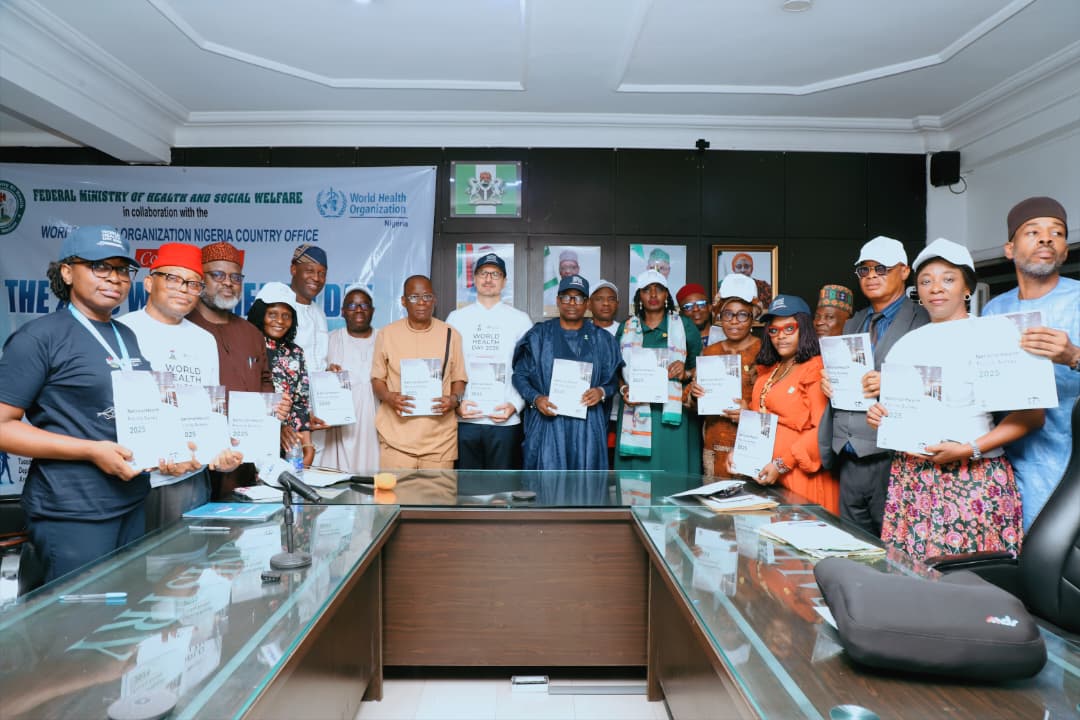
Nigeria is rolling out a sweeping upgrade to its disease surveillance infrastructure, backed by a new $25 million investment from the World Health Organization (WHO) and the European Union (EU). The initiative targets critical gaps in outbreak detection and response, with a focus on cholera, Lassa fever, and the growing burden of non communicable diseases (NCDs).
Officials say the program will integrate real time data systems, strengthen laboratory networks, and expand emergency response capabilities across 36 states and the Federal Capital Territory. The move comes amid rising concerns over climate related health risks and persistent challenges in healthcare access.
What Happened
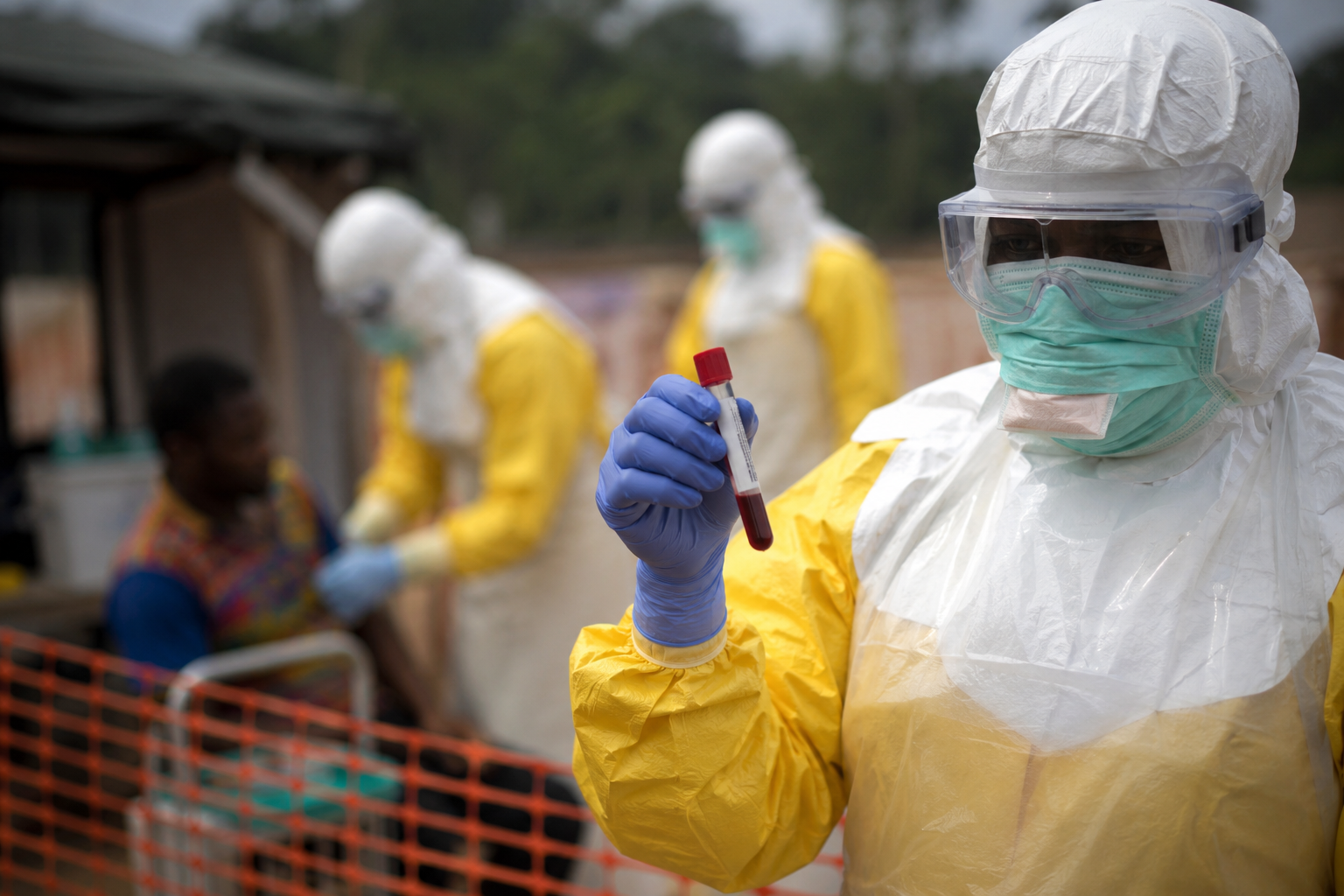
The WHO and EU have committed $25 million to Nigeria’s Public Health Emergency Preparedness and Response (PHEPR) project, a five year initiative designed to modernize the country’s disease surveillance framework. The funding will support the deployment of digital reporting tools, training for health workers, and the expansion of diagnostic laboratories in high risk regions.
According to Nigeria’s Federal Ministry of Health, the project aligns with the National Action Plan for Health Security, which was endorsed by the African Union in 2022. The plan emphasizes early detection, rapid containment, and cross border collaboration to prevent regional spillover of infectious diseases.
Why Public Health Officials Are Concerned
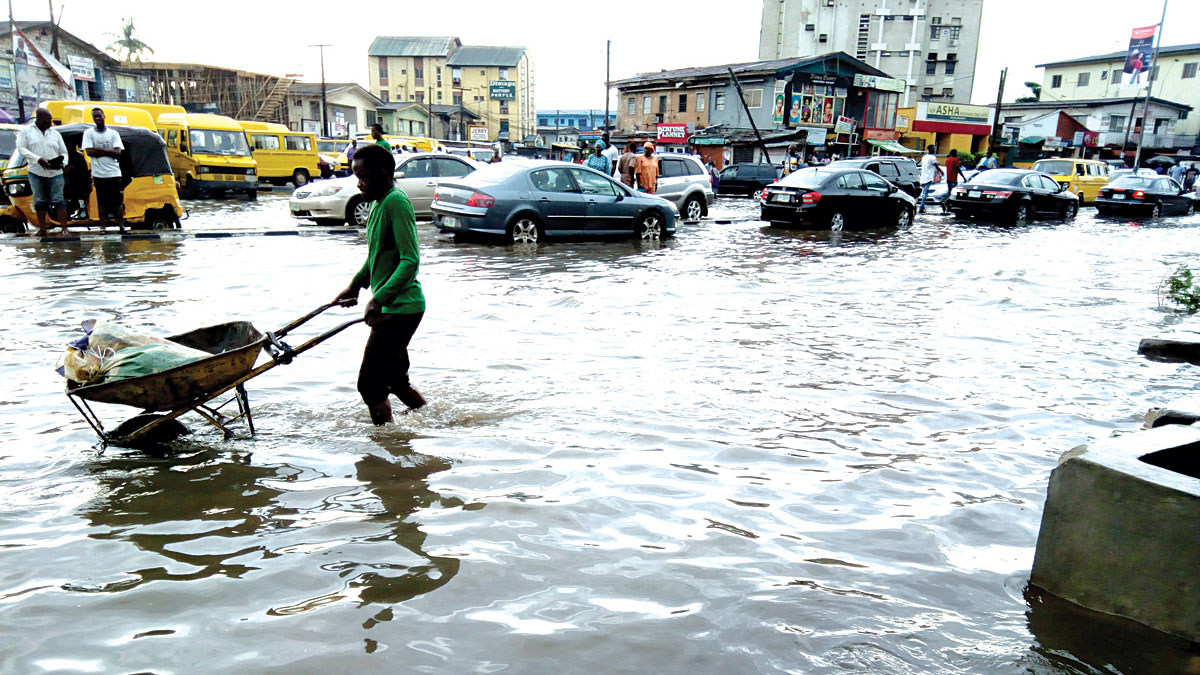
Public health leaders warn that Nigeria’s disease burden is increasingly shaped by overlapping crises: climate change, urban overcrowding, and the dual threat of infectious and non communicable diseases. Cholera outbreaks, often linked to poor sanitation and flooding, have surged in recent years, while Lassa fever cases have become more frequent in rural and peri urban areas.
Researchers at the Nigeria Centre for Disease Control (NCDC) report that NCDs now account for over 29% of total deaths in the country, with hypertension, diabetes, and cancer rising sharply. Health experts cite limited access to clean water, inadequate waste management, and low vaccination coverage as persistent risk factors.
Symptoms or Risk Factors
For infectious diseases like cholera and Lassa fever, symptoms include severe diarrhea, vomiting, fever, and in severe cases, organ failure. Public health officials urge vigilance in areas with poor sanitation or recent flooding, where waterborne and rodent borne pathogens thrive.
For NCDs, risk factors include poor diet, physical inactivity, tobacco use, and limited access to primary care. The NCDC recommends regular blood pressure checks, glucose monitoring, and cancer screenings, particularly for adults over 40.
Who May Be Affected
The initiative prioritizes communities in flood prone states such as Kano, Jigawa, and Rivers, where cholera outbreaks have been most severe. It also targets urban centers like Lagos and Abuja, where rapid population growth and informal settlements strain healthcare systems.
Vulnerable groups include children under five, pregnant women, the elderly, and people with pre existing conditions. Additionally, healthcare workers in rural clinics face higher exposure risks due to limited protective equipment and diagnostic tools.
Government or WHO Response
The Nigerian government has pledged to match the international funding with domestic resources, ensuring sustained implementation. The NCDC will lead coordination with state health authorities, while the WHO will provide technical support for data systems and laboratory accreditation.
In a joint statement, the WHO and EU highlighted the project’s role in strengthening Nigeria’s compliance with the International Health Regulations (IHR), which require member states to report public health events within 24 hours. The initiative also includes a public awareness campaign to improve community engagement in disease prevention.
Prevention and Safety Guidance
Public health officials recommend several measures to reduce risk:
- Improving hand hygiene and safe water storage in households.
- Ensuring vaccination coverage for diseases like measles, yellow fever, and cholera.
- Promoting regular health screenings for NCDs, especially in high risk populations.
- Supporting community led sanitation projects to reduce vector breeding sites.
- Encouraging early medical consultation for symptoms of fever, diarrhea, or persistent cough.
What Readers Should Know
This initiative represents a critical step toward building a resilient health system capable of withstanding future outbreaks. However, success depends on sustained funding, community participation, and political commitment beyond election cycles.
For residents, the most immediate action is to engage with local health education programs and report unusual symptoms to health authorities. For policymakers, the focus must remain on long term infrastructure investment and equitable healthcare access.
Key Takeaways
- Nigeria’s $25 million disease surveillance upgrade, backed by WHO and EU, aims to modernize outbreak detection and response across 36 states.
- The initiative targets cholera, Lassa fever, and rising non communicable diseases, addressing climate related health risks and healthcare access gaps.
- Public health officials emphasize sanitation, vaccination, and early screening as key prevention strategies for both infectious and chronic diseases.
- Success hinges on community engagement, sustained funding, and integration with Nigeria’s National Action Plan for Health Security.
- Vulnerable groups, including children, pregnant women, and rural healthcare workers, face the highest risks and require targeted support.
Frequently Asked Questions
What diseases will the new surveillance system prioritize?
The initiative focuses on cholera, Lassa fever, and non communicable diseases such as hypertension, diabetes, and cancer. These conditions were selected based on their public health impact, rising trends, and vulnerability to climate related risks.
How will the funding be used?
The $25 million investment will support real time data systems, laboratory upgrades, health worker training, and emergency response coordination. The Nigerian government will also allocate domestic resources to ensure long term sustainability.
What can individuals do to reduce disease risks?
Practicing good hygiene, drinking safe water, getting vaccinated, and attending regular health screenings are critical. Communities should also participate in sanitation projects and report unusual symptoms to local health authorities promptly.
How does this initiative address non communicable diseases?
The program includes public awareness campaigns, screening programs for hypertension and diabetes, and training for primary care providers to improve early detection and management of chronic conditions.
What role does climate change play in this initiative?
Climate change exacerbates disease risks by increasing flooding, heatwaves, and vector borne illnesses. The surveillance upgrade aims to improve early warning systems and adaptive responses to these environmental challenges.
Medical Review: MedSense Editorial Board







DISCUSSION (0)
POST A COMMENT