
What Happened
The fragile stability in Akobo has deteriorated further as sporadic clashes between armed groups and intercommunal violence have displaced thousands of civilians. The United Nations estimates that over 100,000 people in Jonglei State are now living in acute food insecurity, with many surviving on less than one meal per day. Meanwhile, Ebola preparedness efforts have been severely hampered by the lack of access to remote areas, where health workers cannot safely conduct screenings or deliver supplies.
Why Public Health Officials Are Concerned
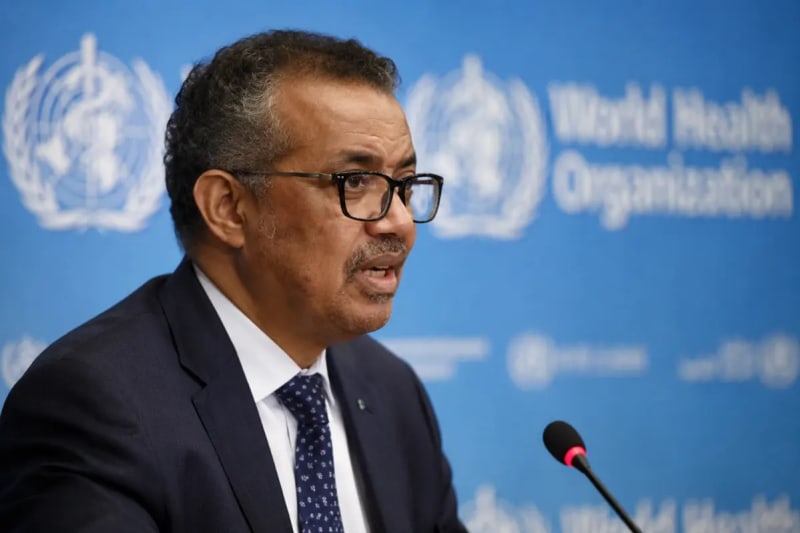
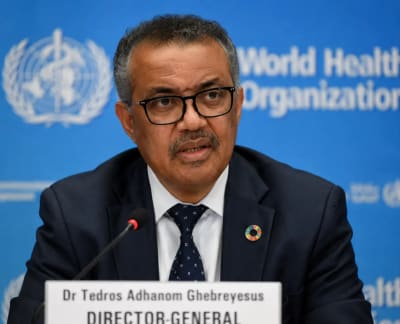
Public health experts describe Akobo as a high risk zone for Ebola due to several converging factors. First, the region’s porous borders with Ethiopia and Uganda facilitate unmonitored movement, increasing the likelihood of cross border transmission. Second, the collapse of local health services means that even basic disease surveillance is nearly impossible. Third, malnutrition weakens immune systems, making populations more susceptible to severe infections. The World Health Organization has classified Jonglei State as a priority area for Ebola risk reduction, but funding gaps and security constraints continue to delay critical interventions.
Symptoms or Risk Factors
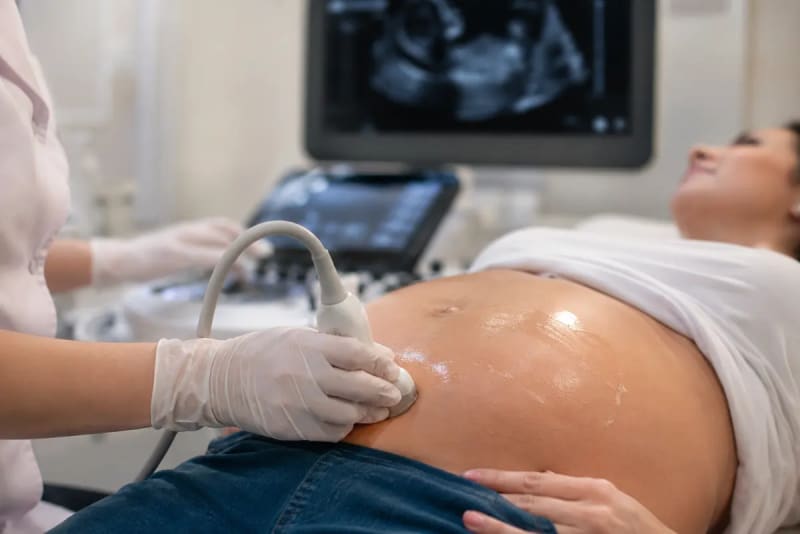
Ebola symptoms typically appear within 2 to 21 days of exposure and include sudden fever, severe headache, muscle pain, and fatigue, followed by vomiting, diarrhea, and in some cases, internal and external bleeding. The virus spreads through direct contact with bodily fluids of infected individuals or contaminated surfaces. In settings like Akobo, where healthcare access is limited and hygiene conditions are poor, the risk of rapid transmission is significantly higher. Malnourished individuals, children under five, and pregnant women are particularly vulnerable to severe outcomes.
Who May Be Affected
The immediate threat extends beyond Akobo’s residents to include displaced populations fleeing violence, humanitarian workers providing aid, and traders moving across borders. Children in overcrowded displacement camps are at heightened risk due to close living quarters and limited access to clean water. Additionally, healthcare workers in under resourced facilities lack adequate personal protective equipment, putting them in direct danger if an outbreak occurs. The broader Jonglei State population, already struggling with multiple health crises, would face compounded suffering if Ebola takes hold.
Government or WHO Response
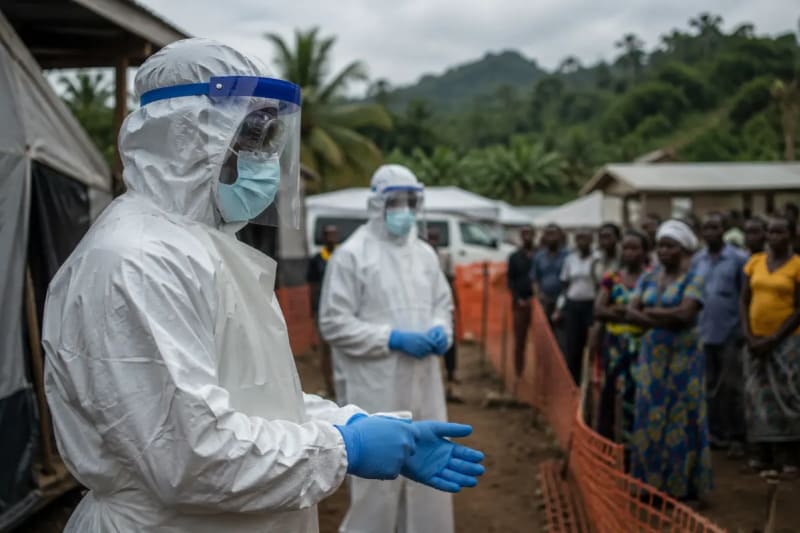
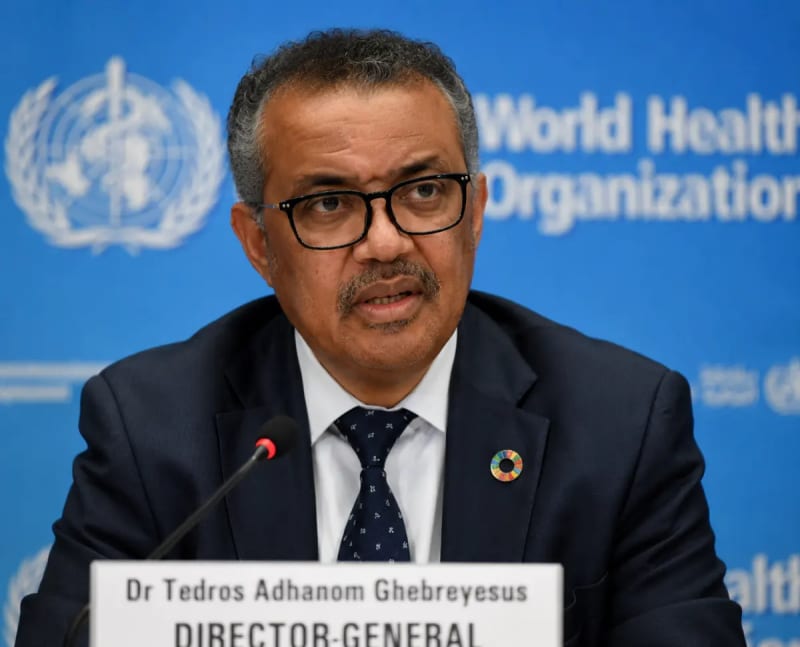
The South Sudanese Ministry of Health, in collaboration with the WHO and international partners, has begun deploying rapid response teams to high risk areas, including Akobo. Efforts include training local health workers in infection prevention, distributing hygiene kits, and establishing isolation units. However, logistical challenges such as airstrips for medical evacuations and safe transport of samples remain major obstacles. The WHO has called for $15 million in emergency funding to scale up preparedness, but only a fraction has been secured so far. Meanwhile, the United Nations Office for the Coordination of Humanitarian Affairs has warned that without immediate action, the situation could spiral into a full blown humanitarian catastrophe.
Prevention and Safety Guidance
For communities in Akobo and similar high risk areas, prevention hinges on three key measures: avoiding contact with bodily fluids of sick individuals, practicing rigorous hand hygiene, and ensuring safe burials. Aid organizations are distributing chlorine based disinfectants and teaching families how to recognize early symptoms. Travelers and aid workers are advised to use insecticide treated bed nets, avoid bushmeat consumption, and report any suspected cases immediately. In healthcare settings, the use of personal protective equipment and routine disinfection of medical tools are non negotiable. For the broader public, supporting humanitarian appeals and advocating for ceasefires in conflict zones can indirectly reduce Ebola risk by improving access to care.
What Readers Should Know
Akobo’s crisis is not an isolated incident but a microcosm of how conflict and hunger exacerbate public health emergencies. The international community’s delayed response to Ebola in the Democratic Republic of Congo, which has claimed over 2,200 lives since 2018, serves as a stark reminder of the cost of inaction. While Ebola outbreaks are preventable with the right resources, the window to act in South Sudan is closing rapidly. Readers can contribute by donating to organizations like Doctors Without Borders or the International Rescue Committee, which are on the front lines of this crisis. Advocacy for sustained ceasefires and unhindered humanitarian access is equally critical to preventing the next major outbreak.
Key Takeaways
- Akobo, South Sudan, faces a heightened risk of an Ebola outbreak due to ongoing conflict, severe malnutrition, and collapsed healthcare infrastructure.
- Public health experts warn that malnutrition, displacement, and porous borders make the region particularly vulnerable to rapid disease transmission.
- The WHO and South Sudanese Ministry of Health are scaling up preparedness efforts, but funding gaps and security constraints threaten progress.
- Prevention relies on community education, hygiene practices, and immediate reporting of suspected cases, while international support is urgently needed.
Frequently Asked Questions
How does malnutrition increase the risk of Ebola?
Malnutrition weakens the immune system, making individuals more susceptible to severe infections and less able to fight off diseases like Ebola. In malnourished populations, even mild cases can progress rapidly to life threatening complications.
What are the main challenges in containing Ebola in conflict zones like Akobo?
Key challenges include restricted access for health workers due to violence, lack of reliable disease surveillance, and the inability to safely transport patients or samples. Additionally, displaced populations in overcrowded camps create ideal conditions for rapid transmission.
How can travelers or aid workers protect themselves from Ebola in high risk areas?
Travelers should avoid contact with bodily fluids, use personal protective equipment in healthcare settings, practice frequent hand hygiene, and report any suspected cases immediately. Avoiding bushmeat and using insecticide treated bed nets can also reduce risk.
What is the current funding situation for Ebola preparedness in South Sudan?
The WHO has requested $15 million in emergency funding to scale up preparedness efforts in South Sudan, but only a fraction of this amount has been secured so far. The shortfall is delaying critical interventions such as training, surveillance, and the establishment of isolation units.
Medical Review: MedSense Editorial Board











DISCUSSION (0)
POST A COMMENT