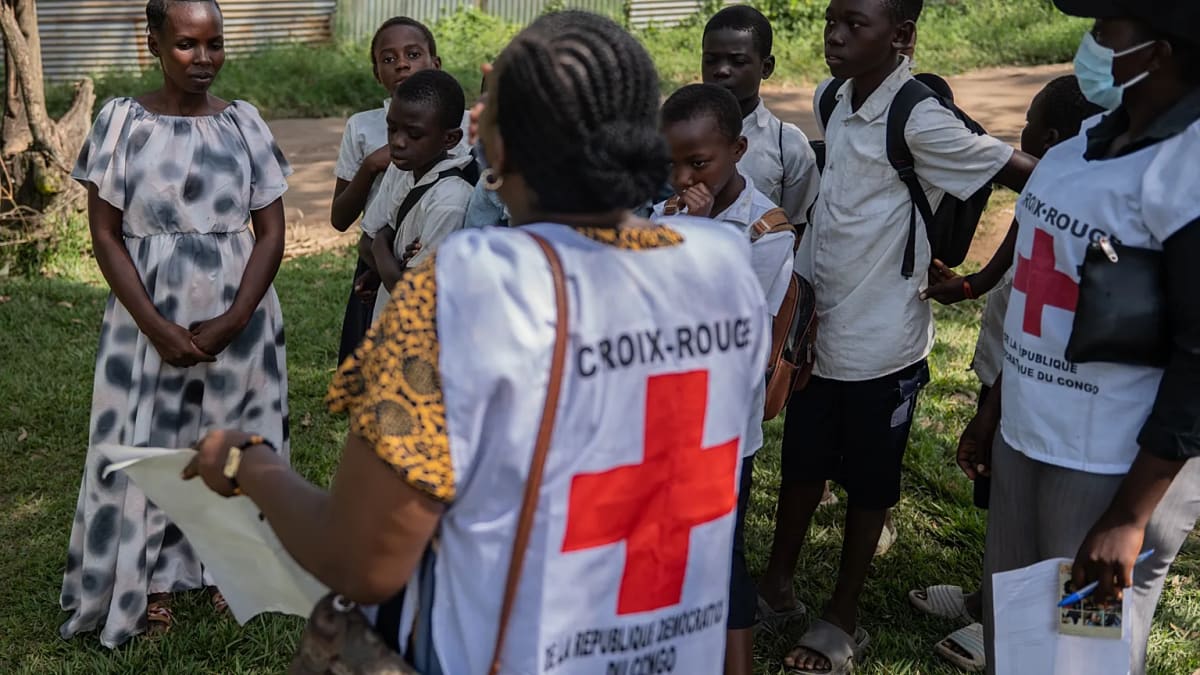
The Diocese of Tombura Yambio in South Sudan has placed its health systems on high alert as the Ebola virus continues to spread in the neighboring Democratic Republic of Congo. With no confirmed cases reported locally, officials warn that porous borders and frequent population movement create a significant risk of cross border transmission. In a statement to local media, Father Charles Mbikoyo, director of diocesan Caritas, emphasized that complacency is not an option, urging immediate action to protect communities and healthcare facilities. The move reflects growing concern among public health authorities in the region, where previous Ebola outbreaks have demonstrated how quickly the virus can traverse national boundaries. St. Theresa Mission Hospital, a key healthcare provider in the diocese, has been tasked with leading surveillance efforts, public awareness campaigns, and emergency preparedness measures to mitigate potential spread.
What Happened
The Diocese of Tombura Yambio in South Sudan has intensified Ebola surveillance and emergency preparedness following the ongoing outbreak in the Democratic Republic of Congo. While no cases have been confirmed in South Sudan, health officials within the diocese are treating the threat as imminent due to the region’s interconnected communities and frequent cross border travel. Father Charles Mbikoyo, who oversees the diocese’s humanitarian arm, Caritas, issued a directive to mobilize resources through St. Theresa Mission Hospital to bolster detection, public education, and response protocols.
Why Public Health Officials Are Concerned
Ebola virus disease is one of the most lethal infectious threats in sub Saharan Africa, with fatality rates ranging from 25 to 90 percent depending on the strain and healthcare response. The current outbreak in Congo has already claimed hundreds of lives, and historical patterns show that the virus often spills over into neighboring countries through informal trade routes, family visits, and displacement caused by conflict. South Sudan’s healthcare infrastructure remains fragile after decades of civil unrest, raising fears that an introduction of Ebola could overwhelm local systems and accelerate transmission in densely populated areas.
Symptoms and Risk Factors
Ebola typically presents with sudden fever, fatigue, muscle pain, headache, and sore throat, followed by vomiting, diarrhea, rash, and in severe cases, internal and external bleeding. The virus spreads through direct contact with bodily fluids of infected individuals or contaminated surfaces. Healthcare workers, family caregivers, and those handling burials of Ebola victims face the highest risk of exposure. Early detection is critical, as prompt isolation and treatment significantly improve survival rates.
Who May Be Affected
Communities along the South Sudan Congo border are most vulnerable due to shared ethnic ties, trade networks, and displacement patterns. Refugees, internally displaced persons, and rural populations with limited access to healthcare face elevated risks. The diocese’s proactive stance aims to protect these groups by deploying mobile health teams, training local volunteers, and distributing informational materials in multiple languages.
Government and WHO Response
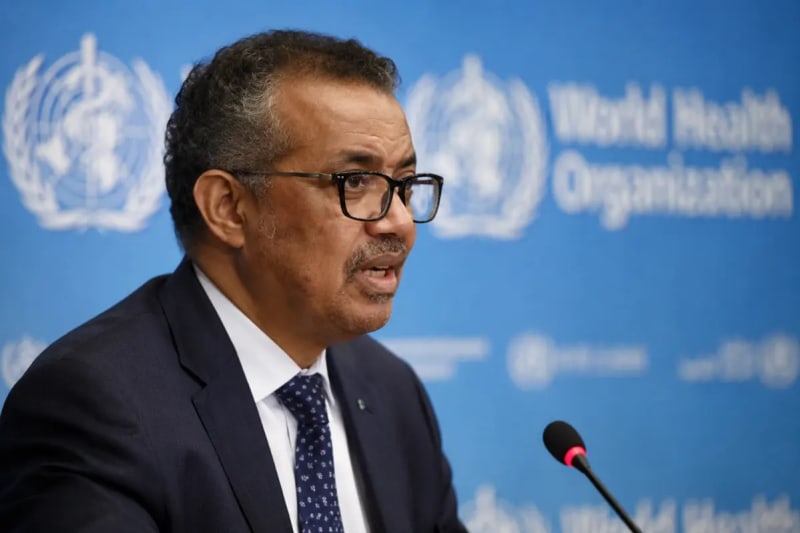
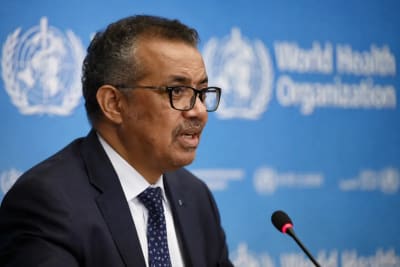
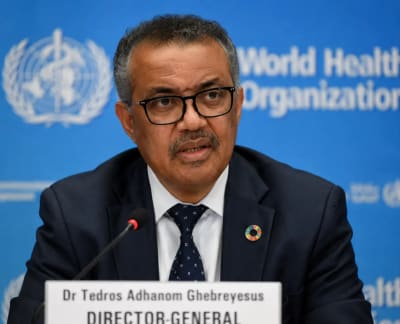
While the diocese’s efforts are locally driven, they align with broader regional strategies coordinated by the World Health Organization and national health ministries. WHO has maintained an Ebola response team in Congo and continues to support neighboring countries with technical guidance, laboratory support, and vaccine stockpiles. South Sudan’s Ministry of Health has not issued a national alert but has previously conducted simulation exercises to test cross border coordination. The diocese’s initiative serves as a grassroots complement to these larger efforts, filling gaps in remote areas where government reach is limited.
Prevention and Safety Guidance
Public health experts recommend the following precautions to reduce Ebola transmission risk:
- Avoid direct contact with blood, saliva, sweat, urine, or other bodily fluids of sick individuals.
- Wash hands frequently with soap and clean water, or use alcohol based hand sanitizers.
- Do not handle bushmeat or consume raw animal products from areas with known outbreaks.
- Seek medical attention immediately if symptoms develop, especially after travel to affected regions.
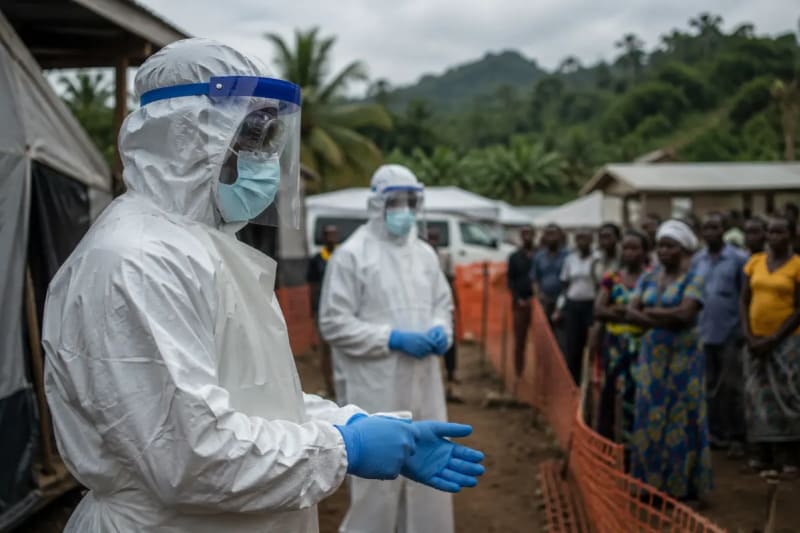
- Healthcare workers should use personal protective equipment when treating suspected cases.
What Readers Should Know
While the risk of Ebola reaching South Sudan remains uncertain, the diocese’s proactive measures highlight the importance of community level preparedness in outbreak prevention. Residents in border areas should stay informed through official health channels and report any unusual illness clusters to local authorities. The situation underscores the need for sustained investment in regional disease surveillance, healthcare worker training, and cross border collaboration to prevent future epidemics from gaining a foothold.
Key Takeaways
- South Sudan’s Diocese of Tombura Yambio has escalated Ebola surveillance amid the outbreak in neighboring Democratic Republic of Congo, despite no local cases reported.
- Porous borders and frequent population movement increase the risk of cross border transmission, prompting urgent preparedness efforts.
- Ebola symptoms include fever, fatigue, vomiting, and bleeding, with transmission occurring through direct contact with bodily fluids.
- Vulnerable groups include border communities, refugees, and healthcare workers, who face higher exposure risks.
- Prevention measures include hand hygiene, avoiding contact with sick individuals, and seeking immediate medical care for symptoms.
Frequently Asked Questions
Has Ebola been detected in South Sudan?
No confirmed cases of Ebola have been reported in South Sudan as of this update. However, health officials are on high alert due to the outbreak in neighboring Democratic Republic of Congo.
What are the early symptoms of Ebola?
Early symptoms include sudden fever, fatigue, muscle pain, headache, and sore throat. These may progress to vomiting, diarrhea, rash, and in severe cases, internal or external bleeding.
How can I protect myself from Ebola?
Avoid contact with bodily fluids of infected individuals, practice frequent handwashing, and avoid handling bushmeat or raw animal products from outbreak areas. Seek medical care immediately if symptoms develop.
What is being done to prevent Ebola from spreading to South Sudan?
The Diocese of Tombura Yambio has intensified surveillance, public awareness campaigns, and healthcare worker training. Regional organizations like WHO are also supporting preparedness efforts in neighboring countries.
Who is most at risk of Ebola infection?
Healthcare workers, family caregivers, and individuals in close contact with infected persons or contaminated materials are at highest risk. Border communities and displaced populations also face elevated vulnerability.
Medical Review: MedSense Editorial Board











DISCUSSION (0)
POST A COMMENT