
Scientists at Oxford University are fast tracking an experimental vaccine against the Bundibugyo strain of Ebola, a rare and lethal virus responsible for the current outbreak in the Democratic Republic of Congo. With no proven vaccine available and a fatality rate approaching 35 percent, researchers are working urgently to prepare for clinical trials within the next two to three months. The effort comes as the World Health Organization raises the regional risk level to "very high" and declares the outbreak a public health emergency of international concern, though not a pandemic. The vaccine leverages the same rapid response technology used during the COVID 19 pandemic, allowing researchers to adapt the platform quickly for different pathogens. While animal testing is still underway, the Serum Institute of India stands ready to scale production if the candidate proves safe and effective. Public health experts emphasize the need for speed, even as containment efforts like contact tracing and quarantine remain the first line of defense.
What Happened
The current Ebola outbreak in the Democratic Republic of Congo has been driven by the Bundibugyo strain, one of six known species of the virus and one for which no licensed vaccine exists. The World Health Organization reports 750 suspected cases and 177 deaths since the outbreak began, with the risk level recently upgraded to "very high" within the country and "high" across the region. While the global risk remains low, the WHO has declared the situation a public health emergency of international concern, underscoring the urgency of the response.
A team at Oxford University’s Vaccine Group is developing an experimental vaccine targeting Bundibugyo, with the goal of initiating clinical trials within two to three months. The project builds on the same viral vector technology, ChAdOx1, that enabled the rapid development of the Oxford AstraZeneca COVID 19 vaccine. This time, the platform has been modified to carry genetic material from the Bundibugyo strain, training the immune system to recognize and combat the virus without causing infection.
Why Public Health Officials Are Concerned
Bundibugyo is one of the least understood Ebola strains, having caused only two previous outbreaks, in Uganda in 2007 and the DRC in 2012, before disappearing for over a decade. Its reemergence now poses a unique challenge: unlike the more common Zaire strain, which has an approved vaccine, Bundibugyo lacks any proven countermeasure. The strain’s fatality rate, estimated at around 35 percent, is lower than Zaire’s but still devastating in resource limited settings where healthcare infrastructure is fragile.
The WHO has cautioned that there is currently no animal data supporting the effectiveness of the Oxford vaccine candidate. While early stage testing is underway, the timeline for clinical trials remains uncertain, dependent on the outcome of preclinical studies. A separate experimental vaccine for Bundibugyo is also in development but is not expected to be ready for testing for another six to nine months, leaving a critical gap in preparedness.
Who May Be Affected
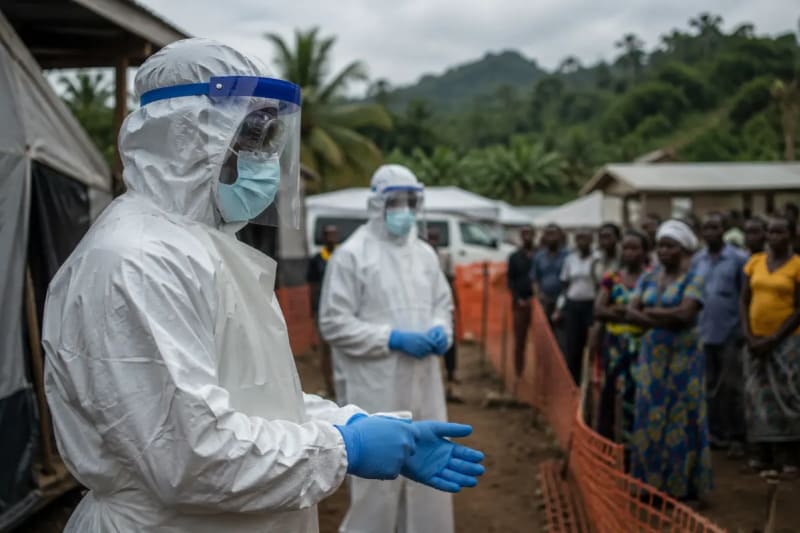
The immediate threat is concentrated in the DRC, where the outbreak has overwhelmed local health systems. Healthcare workers treating Ebola patients are at particularly high risk, as are the close contacts of confirmed cases. The virus spreads through direct contact with bodily fluids, making family members, caregivers, and burial teams especially vulnerable.
While the international risk remains low, the potential for regional spread is a growing concern. Neighboring countries with porous borders and limited surveillance capacity could face spillover cases, particularly if the outbreak is not contained quickly. The WHO’s emergency declaration reflects the need for heightened vigilance across Central Africa, even as global travel restrictions are not currently recommended.
Government and WHO Response
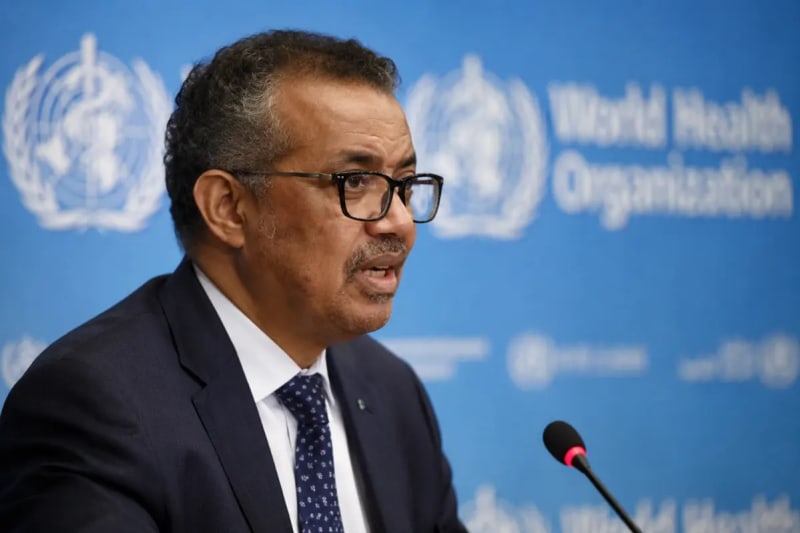
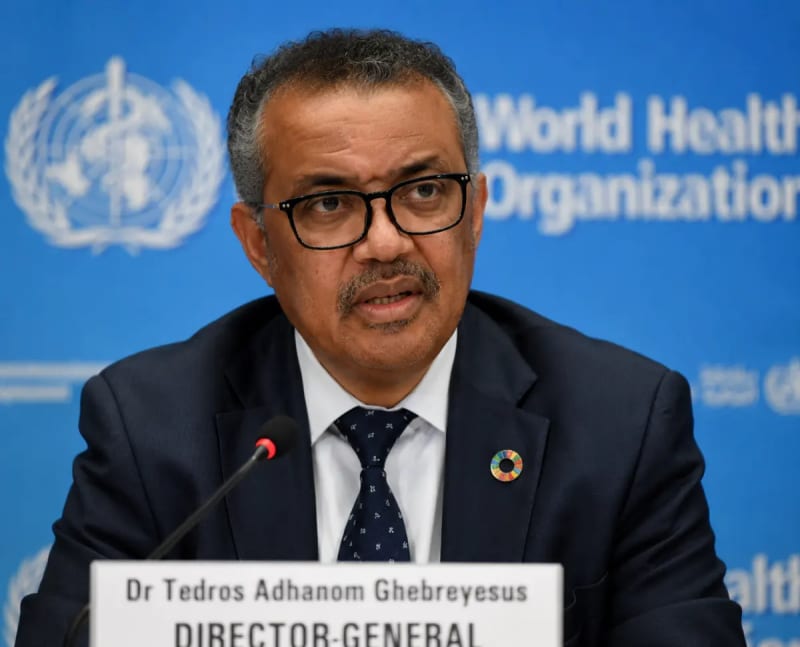
The WHO has emphasized that the outbreak does not constitute a pandemic but has mobilized resources to support the DRC’s response. This includes strengthening surveillance, expanding laboratory capacity, and deploying rapid response teams to affected areas. The organization has also reiterated the importance of ring vaccination, a strategy targeting high risk individuals rather than mass immunization, as the most effective containment tool once a vaccine becomes available.
The Oxford team’s vaccine candidate, if successful, could be produced at scale by the Serum Institute of India. Professor Teresa Lambe, Calleva Head of Vaccine Immunology at the Oxford Vaccine Group, told the BBC that the institute is prepared to move quickly once medical grade material is supplied. "People are worried about this outbreak," Lambe said. "You prepare for the worst case scenario. Hopefully, contact tracing and quarantine are all that’s needed, but we can’t take our foot off the gas."
Prevention and Safety Guidance
Until a vaccine is available, prevention relies on traditional public health measures. These include:
- Isolating suspected and confirmed cases to prevent transmission.
- Tracing and monitoring contacts of infected individuals for 21 days, the virus’s maximum incubation period.
- Using personal protective equipment for healthcare workers and burial teams.
- Promoting safe burial practices to avoid exposure to bodily fluids.
- Raising community awareness about symptoms and transmission risks.
The WHO advises against travel or trade restrictions, as these can disrupt essential supply chains and hinder outbreak response efforts. Instead, the focus remains on localized containment and supporting affected communities.
What Readers Should Know
The development of a Bundibugyo specific vaccine is a race against time, but it is not a guaranteed solution. Even if clinical trials begin within months, the process of proving safety and efficacy will take additional time. In the interim, the global health community is relying on tried and true methods to curb the outbreak’s spread.
For those in affected regions, recognizing the symptoms of Ebola, fever, fatigue, muscle pain, vomiting, diarrhea, and unexplained bleeding, is critical. Early medical intervention can improve survival rates, but stigma and fear often delay care seeking behavior. Community engagement and trust building are as vital as medical countermeasures in controlling the outbreak.
While the Oxford vaccine offers hope, it is a reminder that preparedness for emerging pathogens requires sustained investment in research, surveillance, and healthcare infrastructure. The lessons from COVID 19 have accelerated the development of flexible vaccine platforms, but the fight against Ebola, and future outbreaks, will depend on global cooperation and rapid response.
Key Takeaways
- Oxford University researchers are developing an experimental vaccine for the rare Bundibugyo Ebola strain, with clinical trials potentially starting within two to three months.
- The Bundibugyo strain has no proven vaccine and kills approximately one in three infected individuals, posing a significant public health challenge in the DRC.
- The WHO has declared the outbreak a public health emergency of international concern but emphasizes that the global risk remains low.
- Prevention currently relies on contact tracing, isolation, and protective measures for healthcare workers, as no vaccine is yet available for widespread use.
- The vaccine uses the same ChAdOx1 technology as the Oxford AstraZeneca COVID 19 vaccine, allowing for rapid adaptation to new pathogens.
Frequently Asked Questions
What is the Bundibugyo Ebola strain?
Bundibugyo is one of six known species of the Ebola virus. It is rare, having caused only two previous outbreaks, and has a fatality rate of around 35 percent. Unlike the more common Zaire strain, there is no proven vaccine for Bundibugyo.
How does the Oxford vaccine work?
The vaccine uses a modified chimpanzee adenovirus (ChAdOx1) to deliver genetic material from the Bundibugyo Ebola virus to human cells. This trains the immune system to recognize and fight the virus without causing infection or disease.
When could the vaccine be available?
Clinical trials could begin within two to three months, but the timeline depends on the success of ongoing animal testing. Even if trials proceed, it will take additional time to confirm safety and efficacy before the vaccine can be deployed.
What is ring vaccination?
Ring vaccination is a strategy used to contain outbreaks by immunizing only those at highest risk, such as the close contacts of confirmed cases and healthcare workers. This approach was successfully used during the 2014 2016 West Africa Ebola epidemic.
What are the symptoms of Ebola?
Early symptoms include fever, fatigue, muscle pain, and headache, often followed by vomiting, diarrhea, and in some cases, unexplained bleeding. Symptoms typically appear 2 to 21 days after exposure.
Is there a risk of Ebola spreading globally?
The WHO currently assesses the global risk as low. The outbreak is concentrated in the DRC, and containment efforts are focused on preventing regional spread. Travel restrictions are not recommended, but vigilance is advised in neighboring countries.
Medical Review: MedSense Editorial Board











DISCUSSION (0)
POST A COMMENT