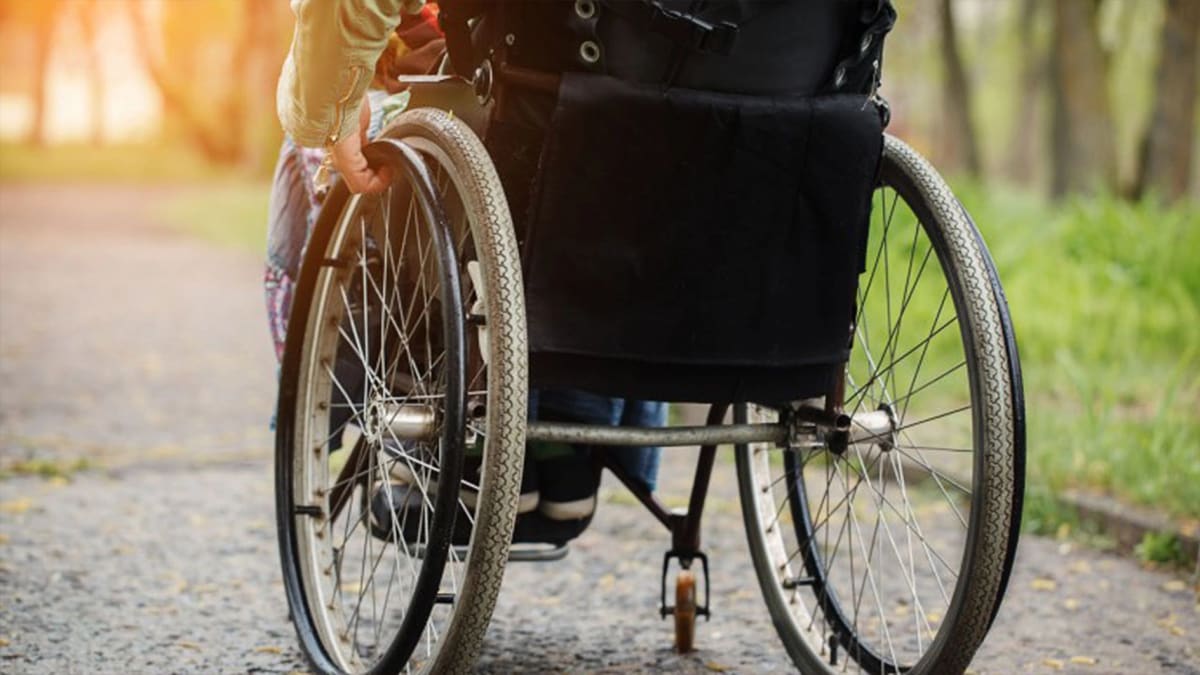
Nigeria’s spinal cord injury survivors are confronting a healthcare crisis with life altering consequences. The Spinal Cord Injuries Association of Nigeria has raised an urgent alarm over the country’s lack of specialized rehabilitation centers, warning that the gap in care is driving higher mortality rates, deepening depression, and trapping patients in long term disability. With spinal cord injuries on the rise, fueled by road accidents, violence, and workplace hazards, advocates say the absence of structured support is not just a medical failure but a public health emergency. For thousands of Nigerians living with spinal cord damage, the journey to recovery is often cut short by the absence of accessible, expert led rehabilitation. Without dedicated facilities, patients face prolonged hospital stays, inadequate physical therapy, and limited access to assistive technologies, all of which compound their vulnerability to complications like pressure sores, infections, and mental health struggles. The association’s warning underscores a broader systemic issue: a healthcare system ill equipped to address the complex, long term needs of one of its most marginalized patient groups.
What Happened
The Spinal Cord Injuries Association of Nigeria has publicly condemned the country’s lack of dedicated rehabilitation centers for spinal cord injury survivors. In a statement, the group highlighted how the absence of specialized care is exacerbating preventable deaths, worsening mental health outcomes, and entrenching disability among patients. The association linked the crisis to a combination of systemic neglect, underfunded healthcare infrastructure, and a growing incidence of spinal cord injuries, primarily from road traffic accidents, falls, and violent incidents.
Why Public Health Officials Are Concerned
Spinal cord injuries are among the most devastating and resource intensive conditions to manage. Without early and sustained rehabilitation, patients face a cascade of secondary complications: urinary tract infections, respiratory issues, severe pressure ulcers, and muscle atrophy. These conditions not only reduce quality of life but also increase the risk of premature death. Public health experts warn that Nigeria’s current approach, relying on general hospitals or makeshift physiotherapy units, falls far short of the multidisciplinary care required for spinal cord injury recovery.
The mental health toll is equally alarming. Studies show that spinal cord injury survivors are at significantly higher risk of depression and suicide, particularly when they lack access to psychological support, peer networks, or vocational rehabilitation. The association’s report suggests that without intervention, the country could see a rise in preventable deaths and a growing burden of disability that strains families and communities.
Who May Be Affected
The crisis disproportionately impacts young adults, Nigeria’s most economically active demographic. Road accidents, often involving motorcycles or poorly maintained vehicles, account for the majority of spinal cord injuries in the country. Other high risk groups include construction workers, victims of violent crime, and individuals involved in domestic or industrial accidents. Women and children, though less frequently injured, face additional barriers to care, including limited mobility, financial dependence, and societal stigma.
Rural populations are particularly vulnerable. With most tertiary hospitals concentrated in urban centers, patients from remote areas often delay or forgo treatment altogether. Even those who reach hospitals may find themselves discharged prematurely due to bed shortages, only to return home without the tools or knowledge to manage their condition.
Government and Healthcare System Response
Nigeria’s Federal Ministry of Health has acknowledged gaps in rehabilitation services but has yet to announce a national strategy for spinal cord injury care. Some state governments have partnered with non governmental organizations to establish small scale physiotherapy units, but these efforts remain fragmented and underfunded. The Spinal Cord Injuries Association has called for a three pronged approach: the establishment of at least one specialized rehabilitation center in each geopolitical zone, the integration of spinal cord injury care into primary healthcare training, and the inclusion of assistive devices in the National Health Insurance Scheme.
International health organizations, including the World Health Organization, have previously flagged Nigeria’s rehabilitation gap as part of a broader crisis in disability inclusive healthcare. The WHO’s 2023 Global Report on Health Equity for Persons with Disabilities noted that low and middle income countries, including Nigeria, allocate less than 1% of their health budgets to rehabilitation services, far below the recommended threshold.
Prevention and Safety Guidance
While advocacy for better treatment continues, experts emphasize the importance of injury prevention. Key recommendations include:
- Enforcing road safety laws, particularly helmet and seatbelt use, and cracking down on reckless driving.
- Improving workplace safety standards, especially in construction and manufacturing sectors.
- Public education campaigns to raise awareness about spinal cord injury risks and first aid measures, such as proper immobilization techniques after an accident.
- Community based programs to reduce stigma and support reintegration for survivors.
What Readers Should Know
For spinal cord injury survivors and their families, navigating Nigeria’s healthcare system can feel like an insurmountable challenge. However, there are steps patients can take to improve their outcomes:
- Seek immediate care: Even in the absence of specialized centers, early physiotherapy and medical management can prevent complications. Patients should insist on being referred to hospitals with basic rehabilitation services.
- Connect with support networks: The Spinal Cord Injuries Association of Nigeria and other advocacy groups offer peer support, legal advice, and resources for accessing assistive devices. Online communities can also provide emotional and practical guidance.
- Advocate for policy change: Patients and families can join advocacy efforts to push for the establishment of rehabilitation centers and the inclusion of spinal cord injury care in national health policies.
- Explore tele rehabilitation: Some international organizations and local NGOs offer remote physiotherapy consultations. While not a substitute for in person care, these services can provide interim support.
The lack of specialized rehabilitation centers is not just a medical issue, it’s a human rights concern. As Nigeria’s population grows and urbanization accelerates, the demand for spinal cord injury care will only increase. Without urgent action, the country risks leaving thousands of survivors behind, trapped in a cycle of disability and despair.
Key Takeaways
- Nigeria lacks dedicated rehabilitation centers for spinal cord injury survivors, worsening mortality, depression, and long term disability.
- Road accidents, violence, and workplace hazards are driving a rise in spinal cord injuries, particularly among young adults.
- Without early rehabilitation, patients face severe complications like infections, pressure sores, and mental health crises.
- Rural populations and women face additional barriers to care due to limited access and societal stigma.
- Advocates are calling for national policies to establish specialized centers, integrate care into primary health systems, and expand insurance coverage for assistive devices.
Frequently Asked Questions
What are the most common causes of spinal cord injuries in Nigeria?
The leading causes are road traffic accidents, particularly involving motorcycles, followed by falls, workplace accidents, and violent incidents such as assaults or gunshot wounds.
Why is rehabilitation so critical for spinal cord injury patients?
Rehabilitation helps prevent life threatening complications like pressure sores, urinary tract infections, and respiratory issues. It also improves mobility, mental health, and the ability to perform daily activities, reducing long term disability.
Are there any temporary solutions for patients while waiting for specialized centers?
Patients can seek basic physiotherapy at general hospitals, join support groups for emotional and practical guidance, and explore tele rehabilitation services offered by some NGOs. However, these are not substitutes for comprehensive, in person care.
How can families support a loved one with a spinal cord injury?
Families can assist by ensuring proper wound care, encouraging physical therapy, connecting with advocacy groups for resources, and advocating for policy changes to improve access to care. Emotional support and reducing stigma are also crucial.
What policies could improve spinal cord injury care in Nigeria?
Key policies include establishing specialized rehabilitation centers in each geopolitical zone, integrating spinal cord injury care into primary healthcare training, expanding insurance coverage for assistive devices, and enforcing road and workplace safety regulations.
Medical Review: MedSense Editorial Board























DISCUSSION (0)
POST A COMMENT