What Happened
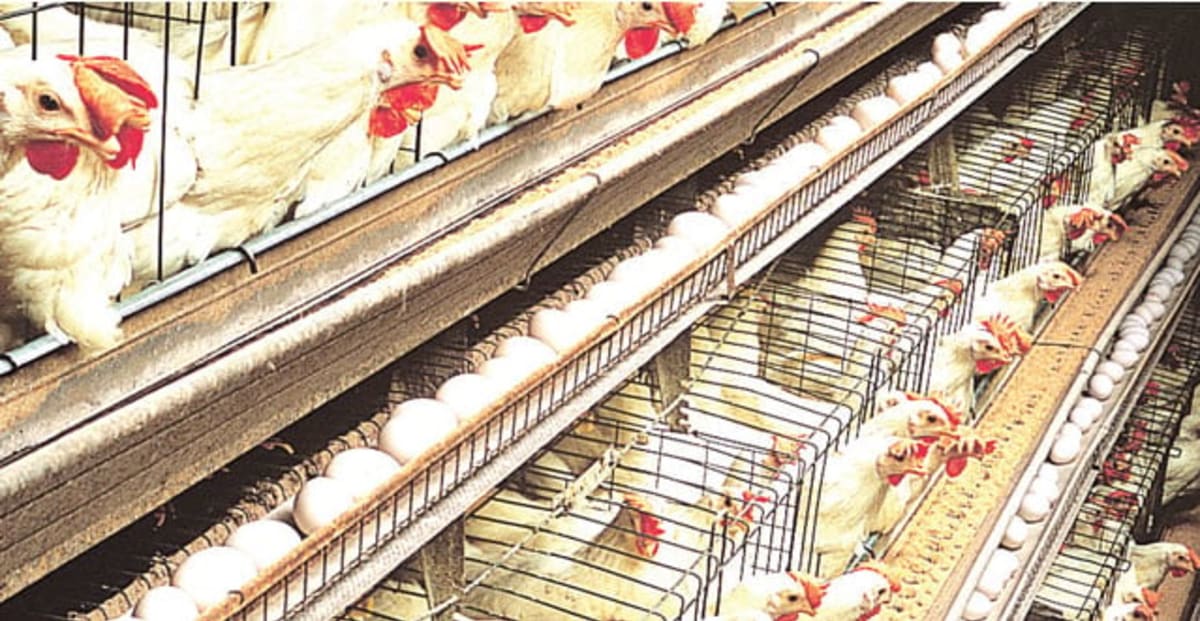
Nigeria’s poultry industry, which supplies over 60% of the country’s animal protein, is grappling with a perfect storm of challenges. Farmers cite acute shortages of day old chicks, with some reporting delays of up to three months for deliveries. Hatcheries, the backbone of the industry, are operating at reduced capacity due to rising costs of inputs like maize and soybeans, key components of poultry feed. The price of a 25 kilogram bag of feed has surged by nearly 150% in the past year, according to the Poultry Association of Nigeria.
Azeez Opadola, a small scale poultry farmer in Oyo State, told MedSense News that he has halved his flock size after losing over 60% of his chicks to delayed deliveries and poor quality feed. "I used to produce 500 birds every six weeks, but now I can barely manage 200," he said. "The cost of feed alone makes it impossible to break even. Many farmers I know have simply given up."
Why Public Health Officials Are Concerned
Eggs and chicken are among the most accessible sources of high quality protein for Nigerians, particularly in rural and low income urban communities. The United Nations Food and Agriculture Organization estimates that poultry products provide over 30% of the animal protein consumed in Nigeria. With production plummeting, nutritionists fear a spike in protein energy malnutrition, which already affects an estimated 2.5 million children under five in the country.
Dr. Adeyinka Onabolu, a public health nutritionist at the University of Ibadan, warned that the crisis could reverse decades of progress in combating child malnutrition. "Protein deficiency in early childhood leads to stunting, weakened immunity, and cognitive impairments," she said. "If this trend continues, we risk a generation with long term health and developmental challenges."
Who May Be Affected
The poultry crisis disproportionately impacts vulnerable groups. Low income households, which rely on eggs and chicken as affordable protein sources, are now forced to substitute with less nutritious alternatives like cassava or beans. School feeding programs, which often include eggs to improve child nutrition, are also at risk of scaling back or eliminating poultry products from their menus.
Small scale farmers, who dominate Nigeria’s poultry sector, face the most immediate threat. Many operate on thin margins and lack access to credit or government support. The Poultry Association of Nigeria estimates that over 30% of small and medium sized poultry farms have shut down in the past 18 months, leading to job losses and reduced rural incomes.
Government and Industry Response
The Nigerian government has acknowledged the crisis but has yet to implement large scale interventions. In a recent statement, the Minister of Agriculture and Rural Development, Dr. Mohammad Abubakar, pledged to subsidize poultry feed and improve access to credit for farmers. However, industry stakeholders say these measures are insufficient and too slow to address the immediate challenges.
The Poultry Association of Nigeria has called for urgent action, including the establishment of a national feed reserve to stabilize prices and the importation of maize and soybeans to ease supply constraints. "Without immediate intervention, the industry could collapse within months," said Association President Ezekiel Ibrahim. "The government must treat this as a national emergency."
Prevention and Safety Guidance
While the crisis requires systemic solutions, households can take steps to mitigate its impact. Nutritionists recommend diversifying protein sources by incorporating more legumes, fish, and dairy into diets. For farmers, the Poultry Association advises exploring alternative feed ingredients like cassava peels or palm kernel cake, though these may require nutritional supplementation to maintain bird health.
Public health experts also urge the government to expand social protection programs, such as cash transfers and food vouchers, to help vulnerable families afford nutritious food during the crisis.
What Readers Should Know
The poultry crisis is not just an agricultural issue, it is a public health emergency with far reaching consequences. As production continues to decline, the risk of malnutrition, particularly among children, will rise. While government and industry efforts are underway, the scale of the problem demands urgent, coordinated action. Consumers should stay informed about alternative protein sources, and farmers should seek support from agricultural extension services or cooperatives to navigate the challenges.
For now, the crisis serves as a stark reminder of the fragility of Nigeria’s food systems and the need for long term investments in agricultural resilience and food security.
Key Takeaways
- Nigeria’s poultry industry is facing a severe production crisis due to chick shortages, rising feed costs, and hatchery failures, threatening the country’s protein supply.
- The crisis risks worsening malnutrition, particularly among children, as eggs and chicken become unaffordable for low income households.
- Over 30% of small and medium sized poultry farms have shut down in the past 18 months, leading to job losses and reduced rural incomes.
- Government and industry responses, including feed subsidies and credit access, are underway but may be too slow to prevent further damage.
- Households are advised to diversify protein sources, while farmers should explore alternative feed options and seek support from agricultural services.
Frequently Asked Questions
Why is Nigeria’s poultry industry in crisis?
The industry is facing multiple challenges, including acute shortages of day old chicks, delayed deliveries, soaring feed costs, and weak hatchery output. These factors have forced many farmers to scale back or shut down operations, reducing the supply of eggs and chicken.
How does the poultry crisis affect public health?
Eggs and chicken are critical sources of affordable protein in Nigeria. With production declining, there is a risk of increased protein energy malnutrition, particularly among children, which can lead to stunting, weakened immunity, and cognitive impairments.
What is the government doing to address the crisis?
The government has pledged to subsidize poultry feed and improve access to credit for farmers. However, industry stakeholders argue that these measures are insufficient and too slow to address the immediate challenges.
What can households do to cope with the crisis?
Nutritionists recommend diversifying protein sources by incorporating more legumes, fish, and dairy into diets. Households should also stay informed about alternative, affordable protein options.
Are there alternatives for poultry farmers struggling with feed costs?
Farmers can explore alternative feed ingredients like cassava peels or palm kernel cake, though these may require nutritional supplementation to maintain bird health. Agricultural extension services and cooperatives can provide guidance on these options.
Medical Review: MedSense Editorial Board
















DISCUSSION (0)
POST A COMMENT