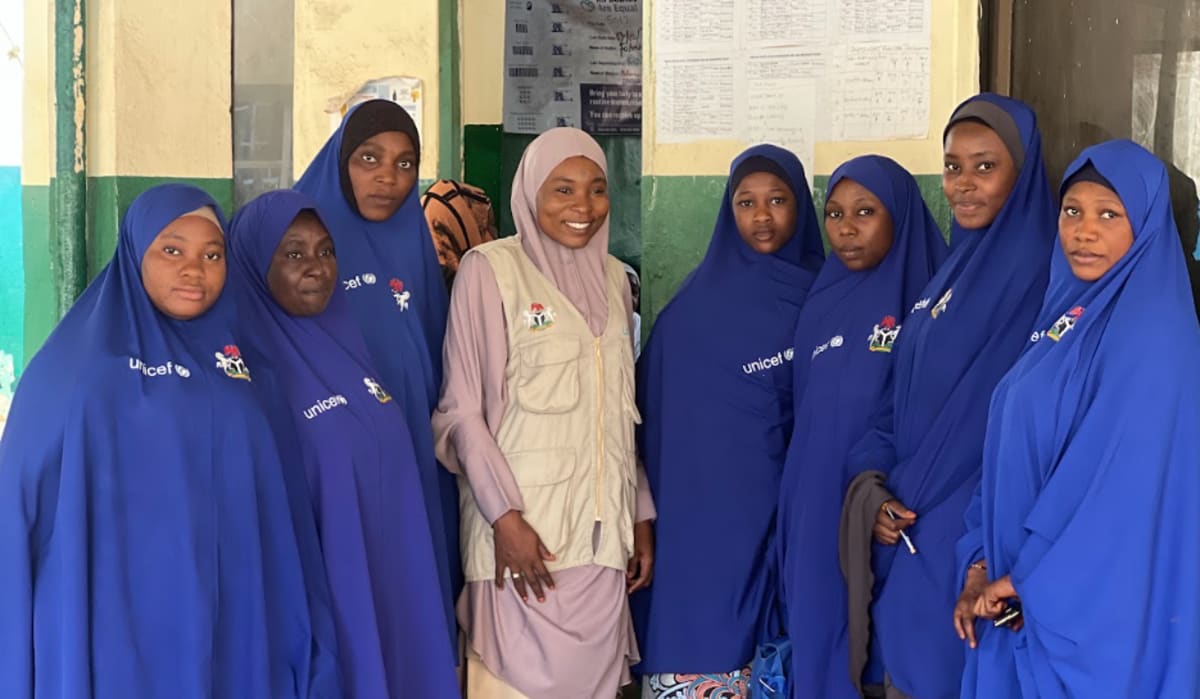
Sokoto, Nigeria, Karima’s uneven gait tells a story of missed opportunities. At just two years old, her left leg is stiff and bent, a stark contrast to the straight, strong limb she once had. Her father, Muhammad Nasiru, recalls how she walked confidently at 18 months before polio took its toll. Now, her struggle to keep up is a painful reminder of the consequences of vaccine hesitancy in a region where polio still lurks. But in Sokoto, a quiet revolution is underway. Volunteer Community Mobilizers, traditional rulers, and local health workers have formed an unbreakable frontline, tracking unvaccinated children and reporting suspected cases before the virus can strike. Their work is not just about administering drops of vaccine; it’s about rebuilding trust in communities where misinformation and fear have long overshadowed science. The stakes could not be higher: every unvaccinated child is a potential tragedy, and every case detected is a race against time.
What Happened
In Sokoto State, one of Nigeria’s last strongholds of wild poliovirus, a network of over 1,200 Volunteer Community Mobilizers (VCMs) has become the backbone of the polio eradication effort. These local health advocates, many of them women, work tirelessly to identify unvaccinated children, dispel myths about the vaccine, and ensure no child is left behind during immunization campaigns. Their efforts are supported by traditional leaders, religious figures, and local government officials, creating a multi layered defense against the virus.
Karima’s case is a sobering example of what happens when these efforts fall short. After her symptoms emerged, health workers traced her vaccination history and found gaps in her immunization records. Her story is not unique; in 2023 alone, Nigeria reported several cases of circulating vaccine derived poliovirus (cVDPV), a rare but dangerous strain that emerges in under immunized populations. Sokoto, with its porous borders and mobile populations, remains a high risk zone.
Why Public Health Officials Are Concerned
Polio is a highly infectious disease that primarily affects children under five, causing irreversible paralysis in one out of every 200 infections. While Nigeria was declared free of wild poliovirus in 2020, the threat of vaccine derived strains persists, particularly in regions with low immunization coverage. Sokoto’s challenges are compounded by logistical hurdles, including difficult terrain, seasonal migration, and pockets of resistance fueled by misinformation.
Dr. Faisal Shuaib, Executive Director of Nigeria’s National Primary Health Care Development Agency (NPHCDA), has repeatedly warned that complacency could reverse decades of progress. "Polio anywhere is a threat everywhere," he said in a recent briefing. "We cannot afford to let our guard down, especially in states like Sokoto where the risk of outbreaks remains high."
Who May Be Affected
The primary victims of polio are children under five, but the ripple effects extend to entire communities. Families of affected children often face financial strain due to medical costs and lost income from caregiving. In regions like Sokoto, where healthcare infrastructure is already stretched thin, polio outbreaks can overwhelm local health systems and divert resources from other critical services.
Migrant populations and nomadic communities are particularly vulnerable. Their transient lifestyles make it difficult to track vaccination status, and cultural barriers can further hinder access to healthcare. Women and girls in these communities often bear the brunt of the burden, as they are typically responsible for childcare and may face additional obstacles in seeking medical attention.
Government and WHO Response
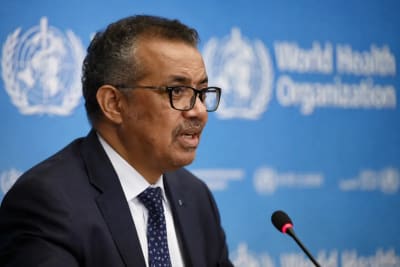
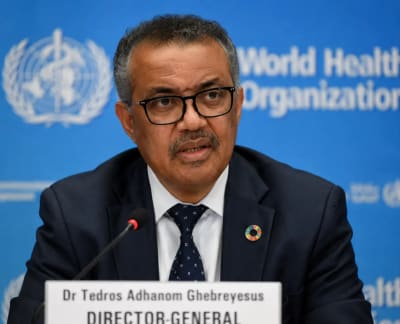
The Nigerian government, in collaboration with the World Health Organization (WHO) and partners like UNICEF and the Bill & Melinda Gates Foundation, has intensified efforts to reach every child in Sokoto. These include:
- House to house vaccination campaigns targeting high risk areas.
- Community engagement programs involving traditional and religious leaders to counter vaccine hesitancy.
- Surveillance systems to detect and respond to suspected cases within 48 hours.
- Cross border coordination with neighboring countries to prevent the importation of poliovirus.
In 2023, Sokoto achieved an 85% vaccination coverage rate during supplemental immunization campaigns, a significant improvement from previous years. However, health officials stress that sustained efforts are needed to close the remaining gaps.
Prevention and Safety Guidance
Polio is preventable through vaccination, and the oral polio vaccine (OPV) remains the most effective tool in the fight against the disease. Here’s what parents and caregivers in Sokoto and other high risk regions should know:
- Complete the vaccination schedule: Ensure children receive all recommended doses of the polio vaccine, including routine immunizations and supplemental campaigns.
- Report symptoms immediately: If a child develops sudden weakness or paralysis in the limbs, seek medical attention without delay. Early detection can prevent further spread.
- Trust verified sources: Rely on information from health workers, government agencies, and reputable organizations like WHO and UNICEF. Avoid misinformation spread through social media or word of mouth.
- Support community efforts: Encourage neighbors and relatives to vaccinate their children. Community immunity is critical to protecting those who cannot be vaccinated due to medical reasons.
What Readers Should Know
Polio eradication is within reach, but the final stretch is often the hardest. Sokoto’s story is a testament to the power of grassroots mobilization in public health. The success of its VCM program has become a model for other states grappling with vaccine hesitancy, proving that local solutions can drive global change.
For families in Sokoto and beyond, the message is clear: vaccination is not just a personal choice; it’s a collective responsibility. Every child immunized is a step closer to a polio free world. The fight is far from over, but with continued vigilance and community engagement, the goal of eradication remains achievable.
Key Takeaways
- Sokoto State relies on Volunteer Community Mobilizers and traditional leaders to combat polio vaccine hesitancy and track unvaccinated children.
- Polio remains a threat in Nigeria due to vaccine derived strains, particularly in under immunized regions like Sokoto.
- Children under five are most at risk, but entire communities suffer the social and economic consequences of outbreaks.
- Prevention hinges on completing vaccination schedules, reporting symptoms early, and countering misinformation with trusted sources.
- Nigeria’s progress in polio eradication demonstrates the impact of grassroots efforts, but sustained vigilance is critical to success.
Frequently Asked Questions
What is vaccine derived poliovirus (cVDPV), and how does it differ from wild poliovirus?
Vaccine derived poliovirus (cVDPV) is a rare strain of the virus that can emerge in populations with low immunization coverage. It occurs when the weakened virus used in the oral polio vaccine (OPV) circulates among unvaccinated individuals and mutates into a form that can cause paralysis. Unlike wild poliovirus, which is naturally occurring, cVDPV is a consequence of gaps in vaccination efforts. Both strains can cause paralysis, but cVDPV can be prevented by maintaining high vaccination coverage.
Why is Sokoto State still at risk for polio despite Nigeria’s wild poliovirus free status?
While Nigeria was certified free of wild poliovirus in 2020, the risk of vaccine derived poliovirus (cVDPV) persists in regions with low immunization rates. Sokoto’s challenges include difficult terrain, seasonal migration, and pockets of vaccine hesitancy, which create opportunities for the virus to spread. Additionally, its proximity to countries with ongoing polio transmission increases the risk of cross border importation.
How effective is the polio vaccine, and is it safe?
The polio vaccine is highly effective and safe. The oral polio vaccine (OPV) has been instrumental in reducing global polio cases by over 99% since 1988. It provides both individual immunity and community protection by preventing the virus from spreading. The inactivated polio vaccine (IPV), given as an injection, is also safe and used in many countries to provide additional protection. Both vaccines undergo rigorous testing and monitoring to ensure their safety.
What role do traditional leaders play in polio eradication efforts?
Traditional leaders are critical to the success of polio eradication efforts, particularly in regions like Sokoto where cultural and religious influences shape health behaviors. They help dispel myths about vaccines, encourage community participation in immunization campaigns, and provide access to hard to reach populations. Their endorsement of vaccination efforts can significantly boost trust and compliance among local residents.
What should parents do if they suspect their child has polio?
If a child develops sudden weakness or paralysis in the limbs, parents should seek medical attention immediately. Early detection is crucial for preventing further spread of the virus and ensuring the child receives appropriate care. Health workers can conduct tests to confirm the diagnosis and provide guidance on next steps. Parents should also inform local health authorities to trigger a rapid response and vaccination campaign in the affected area.
Medical Review: MedSense Editorial Board











DISCUSSION (0)
POST A COMMENT