What Happened
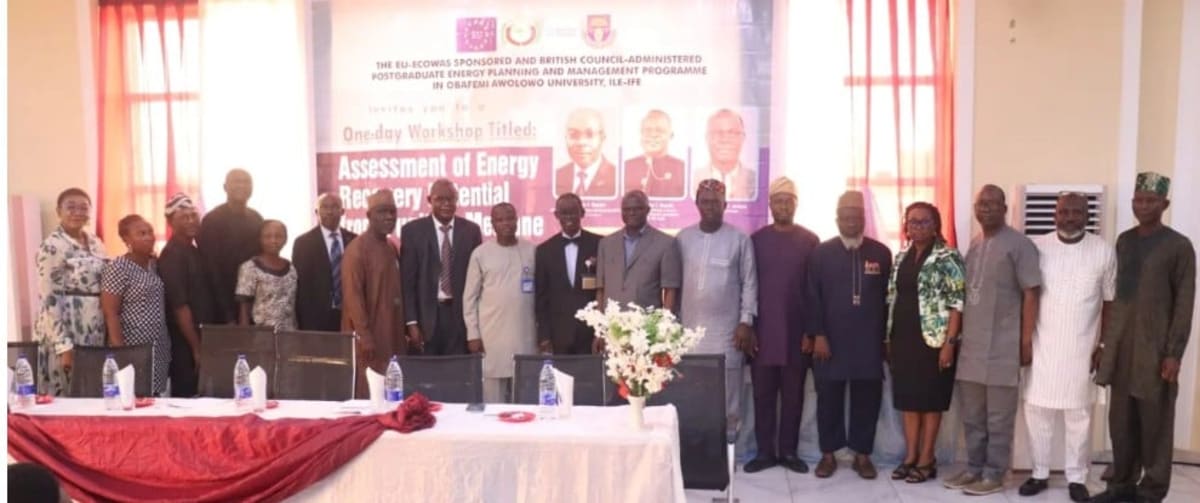
Energy specialists convened in Abuja to address Nigeria’s dual challenges of energy poverty and methane pollution. The workshop, focused on Methane Recovery and Power Integration, highlighted a proposed framework to capture methane emissions from oil and gas fields, landfills, and agricultural waste, then convert them into usable electricity. According to the experts, this approach could generate sufficient power for 4.2 million Nigerian households each year while significantly reducing the country’s greenhouse gas footprint.
Why Public Health Officials Are Concerned
Methane is a silent but formidable driver of climate change. Though it lingers in the atmosphere for a shorter period than carbon dioxide, its heat trapping capacity is far more potent, making it a critical target for climate mitigation. In Nigeria, methane emissions stem primarily from gas flaring in the oil sector, livestock farming, and decomposing organic waste in landfills. These emissions not only accelerate global warming but also contribute to local air pollution, which is linked to respiratory diseases, cardiovascular problems, and premature deaths.
The health risks are particularly acute in communities near oil fields and waste sites, where exposure to methane and associated pollutants can exacerbate conditions like asthma and chronic obstructive pulmonary disease. By converting methane into energy, Nigeria could address both climate goals and public health burdens simultaneously.
Who May Be Affected
The proposed methane to energy initiative could have far reaching impacts across Nigerian society. Key groups include:
- Rural and underserved communities: Millions of Nigerians lack access to reliable electricity. Methane derived power could expand energy access, improving living standards, healthcare delivery, and economic opportunities in off grid areas.
- Oil and gas sector workers: The framework could create new jobs in methane capture, processing, and energy distribution, while also reducing the environmental and health risks associated with gas flaring.
- Farmers and waste management workers: Agricultural waste and landfill emissions are major methane sources. Integrating these sectors into the recovery framework could provide additional revenue streams and reduce local pollution.
- Climate vulnerable populations: Nigeria is highly susceptible to climate change impacts, including extreme weather events, food insecurity, and water scarcity. Reducing methane emissions could help mitigate these risks.
Government and Institutional Response
The Federal Government has yet to formally adopt the proposed framework, but the workshop signals growing momentum for methane recovery as a climate and energy solution. Nigeria is a signatory to the Global Methane Pledge, an international commitment to reduce methane emissions by 30% by 2030. The country’s Energy Transition Plan also outlines goals for expanding renewable and low carbon energy sources, though progress has been slow.
Experts at the workshop emphasized the need for policy incentives, regulatory frameworks, and public private partnerships to scale methane recovery projects. Without government action, they warned, Nigeria risks missing an opportunity to align its energy and climate objectives while addressing persistent power shortages.
Prevention and Safety Guidance
For communities and industries involved in methane producing activities, experts recommend the following measures:
- For oil and gas operators: Invest in methane leak detection and repair technologies, and prioritize gas capture over flaring. The Nigerian Upstream Petroleum Regulatory Commission has set targets for reducing gas flaring, but enforcement remains inconsistent.
- For waste management authorities: Implement landfill gas recovery systems to capture methane from decomposing waste. These systems can generate electricity while reducing odors and fire hazards.
- For farmers: Adopt practices like anaerobic digestion to convert livestock waste into biogas, which can be used for cooking, heating, or electricity generation.
- For policymakers: Develop tax incentives, grants, or low interest loans to encourage private sector investment in methane recovery infrastructure. Strengthen regulations to mandate methane capture in high emission sectors.
What Readers Should Know
Methane recovery is not a silver bullet for Nigeria’s energy or climate challenges, but it represents a practical step toward addressing both. Here’s what you need to understand:
- Dual benefits: Converting methane into energy can reduce greenhouse gas emissions while expanding electricity access, particularly in rural areas where grid connectivity is limited.
- Economic potential: The initiative could create jobs, attract investment, and reduce the financial losses associated with gas flaring, which costs Nigeria an estimated $2.5 billion annually in wasted resources.
- Global context: Nigeria is not alone in exploring methane recovery. Countries like the United States, Norway, and China have implemented similar projects, demonstrating the feasibility of scaling such solutions.
- Challenges ahead: High upfront costs, regulatory hurdles, and technical barriers could slow progress. Public awareness and stakeholder engagement will be critical to overcoming these obstacles.
For Nigerians, the message is clear: the country’s methane emissions could be a resource in disguise. With the right policies and investments, what is currently a climate liability could become a cornerstone of a cleaner, more resilient energy future.
Key Takeaways
- Nigeria’s methane emissions, if captured and converted, could generate enough electricity to power 4.2 million households annually while cutting greenhouse gases.
- Methane is over 80 times more potent than carbon dioxide as a greenhouse gas, making its reduction a critical climate priority.
- The proposed methane to energy framework could improve public health by reducing air pollution linked to respiratory and cardiovascular diseases.
- Expanding methane recovery could create jobs, boost energy access in rural areas, and align with Nigeria’s commitments under the Global Methane Pledge.
- Policy incentives, regulatory enforcement, and public private partnerships are essential to scaling methane recovery projects nationwide.
Frequently Asked Questions
What is methane, and why is it a problem?
Methane is a colorless, odorless greenhouse gas emitted during the production and transport of coal, oil, and natural gas, as well as from livestock and organic waste. It is over 80 times more effective than carbon dioxide at trapping heat in the atmosphere over a 20 year period, making it a major contributor to climate change. In Nigeria, methane emissions also contribute to local air pollution, which can harm respiratory and cardiovascular health.
How can methane be converted into electricity?
Methane can be captured from sources like oil and gas fields, landfills, and agricultural waste, then processed to remove impurities. The purified methane is used as fuel in gas turbines or engines to generate electricity. This process not only produces energy but also prevents methane from being released into the atmosphere, reducing its climate impact.
What are the benefits of methane recovery for Nigeria?
Methane recovery offers multiple benefits for Nigeria, including: (1) Expanding electricity access to millions of households, particularly in rural areas; (2) Reducing greenhouse gas emissions and improving air quality; (3) Creating jobs in methane capture, processing, and energy distribution; (4) Reducing financial losses from gas flaring, which wastes valuable resources; and (5) Aligning with Nigeria’s climate commitments under the Global Methane Pledge.
What are the challenges to implementing methane recovery in Nigeria?
Key challenges include high upfront costs for infrastructure, regulatory gaps, and technical barriers. Additionally, methane recovery requires coordination across multiple sectors, including oil and gas, agriculture, and waste management. Overcoming these challenges will require strong government policies, private sector investment, and public awareness campaigns.
How can communities benefit from methane recovery projects?
Communities near methane sources, such as oil fields or landfills, can benefit from improved air quality and reduced health risks. Methane recovery projects can also create local jobs and provide a reliable source of electricity, particularly in off grid areas. In agricultural communities, biogas systems can convert livestock waste into energy for cooking, heating, or powering small scale industries.
Medical Review: MedSense Editorial Board













DISCUSSION (0)
POST A COMMENT