What Happened
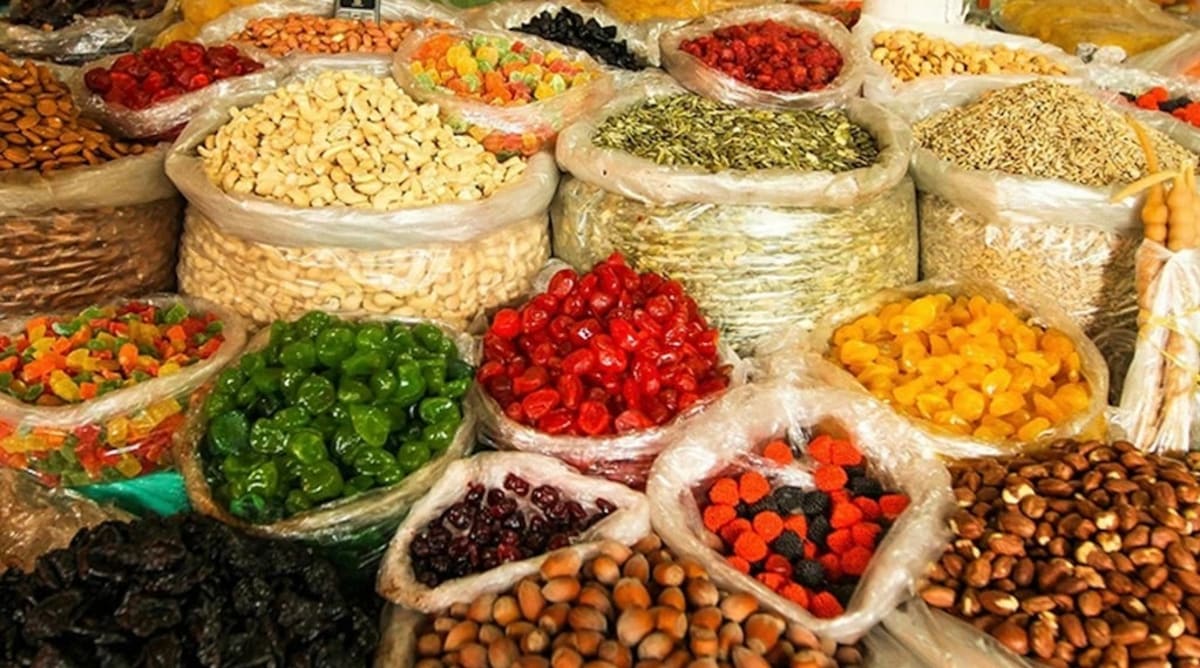
The National Bureau of Statistics revealed in its February 2026 Cost of a Healthy Diet report that the average cost for one adult to eat healthily in Nigeria reached ₦1,513 per day. This represents a 3.76 percent increase from January, continuing a trend of rising food costs that has persisted over the past year. The CoHD index, which tracks the minimum cost of a diet meeting national nutritional guidelines, is now at its highest level since the NBS began publishing the data in 2023.
The report highlights that the increase is driven by rising prices of staples such as grains, vegetables, proteins, and dairy, all essential components of a balanced diet. While the NBS did not provide a regional breakdown in this release, previous reports have shown significant disparities between urban and rural areas, with cities like Lagos and Abuja experiencing even higher costs.
Why Public Health Officials Are Concerned
Nutritionists and public health officials are sounding alarms over the long term consequences of unaffordable healthy diets. Dr. Chika Nwosu, a public health nutritionist at the University of Nigeria, noted that when families cannot afford nutrient rich foods, they often turn to energy dense but nutrient poor options like white bread, instant noodles, and sugary beverages. "This shift increases the risk of obesity, diabetes, and micronutrient deficiencies, a double burden of malnutrition that Nigeria is already battling," she explained.
The World Health Organization has repeatedly linked poor diet quality to non communicable diseases, which now account for over 30 percent of deaths in Nigeria. With healthcare access limited for many, prevention through proper nutrition is seen as a cost effective public health strategy. However, as food prices rise, that prevention becomes increasingly out of reach for low and middle income families.
Who May Be Affected
The burden of rising food costs falls disproportionately on vulnerable groups. Low income households, informal sector workers, and families in conflict affected regions such as the Northeast and Northwest are particularly at risk. Women and children are especially vulnerable, as cultural norms often prioritize feeding male household members during food shortages.
In urban areas, rising rents and transportation costs compound the challenge, leaving less disposable income for food. A recent survey by the Nigeria Living Standards Measurement Study found that over 60 percent of urban households spend more than half their income on food, leaving little room for price shocks.
Government Response and Policy Context
The Nigerian government has introduced several initiatives aimed at improving food security, including the National Food Security Council and the Anchor Borrowers’ Programme, which supports smallholder farmers. However, critics argue that these efforts have not been sufficient to curb rising food prices or improve dietary diversity.
In response to the NBS report, the Federal Ministry of Agriculture and Rural Development stated it is working to boost local production of staples like rice, maize, and soybeans. The ministry also highlighted plans to expand social protection programmes, including school feeding schemes and conditional cash transfers, though implementation has been slow and coverage remains limited.
The Central Bank of Nigeria has maintained tight monetary policy to combat inflation, but food inflation, which stood at 35.4 percent year on year in January 2026, continues to outpace general inflation, suggesting deeper structural issues in the food supply chain.
Prevention and Safety Guidance
While systemic change is needed, families can take steps to stretch their food budgets without sacrificing nutrition. Public health experts recommend:
- Prioritize seasonal and local foods: Fruits and vegetables in season are often cheaper and more nutritious than imported or out of season produce.
- Plan meals and reduce waste: Meal planning helps avoid impulse buys, while proper storage of perishables can extend shelf life.
- Opt for affordable protein sources: Beans, lentils, groundnuts, and eggs are cost effective alternatives to meat and fish.
- Limit processed foods: While convenient, processed snacks and drinks are often high in salt, sugar, and unhealthy fats, and offer little nutritional value.
- Grow food at home: Even small urban gardens or container farming can supplement household food supplies with fresh herbs, tomatoes, or leafy greens.
Community based initiatives, such as food cooperatives and bulk purchasing groups, can also help families access healthier foods at lower costs.
What Readers Should Know
The rising cost of a healthy diet is not just a financial issue, it is a public health crisis in the making. As food prices continue to climb, the risk of malnutrition, stunting, and diet related diseases grows, particularly among children and pregnant women. While government intervention is critical, individuals and communities can play a role in mitigating the impact through informed food choices and collective action.
For those struggling to afford healthy meals, local health centres and non governmental organisations often provide nutrition counselling and support. The Federal Ministry of Health also operates a toll free helpline for nutrition advice, though awareness of such services remains low.
As Nigeria grapples with economic challenges, the affordability of healthy food must become a priority, not just for policymakers, but for all stakeholders in the food system, from farmers to retailers to consumers.
Key Takeaways
- Nigeria’s average cost of a healthy diet reached ₦1,513 per adult per day in February 2026, a 3.76% increase from January.
- Rising food costs threaten nutritional security, increasing the risk of malnutrition and diet related diseases like diabetes and obesity.
- Low income households, women, and children are most vulnerable to food price shocks, with urban families spending over 60% of income on food.
- Government initiatives exist but have not sufficiently addressed food affordability or dietary diversity.
- Families can improve nutrition on a budget by choosing seasonal foods, reducing waste, and opting for affordable protein sources.
Frequently Asked Questions
What is the Cost of a Healthy Diet (CoHD) index?
The CoHD index measures the minimum cost of a diet that meets Nigeria’s national nutritional guidelines for one adult per day. It includes a variety of food groups such as grains, proteins, vegetables, and dairy, and is used to track food affordability and nutritional security.
Why is the rising cost of a healthy diet a public health concern?
When healthy food becomes unaffordable, families often switch to cheaper, less nutritious options. This increases the risk of malnutrition, stunting in children, and non communicable diseases like diabetes and heart disease, all of which strain Nigeria’s healthcare system.
What can families do to eat healthily on a tight budget?
Families can focus on seasonal and local foods, plan meals to reduce waste, choose affordable protein sources like beans and eggs, and limit processed foods. Growing food at home or joining food cooperatives can also help lower costs.
Are there government programmes to help with food affordability?
Yes, the Nigerian government runs programmes like the National Home Grown School Feeding Programme and conditional cash transfers. However, coverage is limited, and many families still struggle to access affordable, nutritious food.
Medical Review: MedSense Editorial Board














DISCUSSION (0)
POST A COMMENT