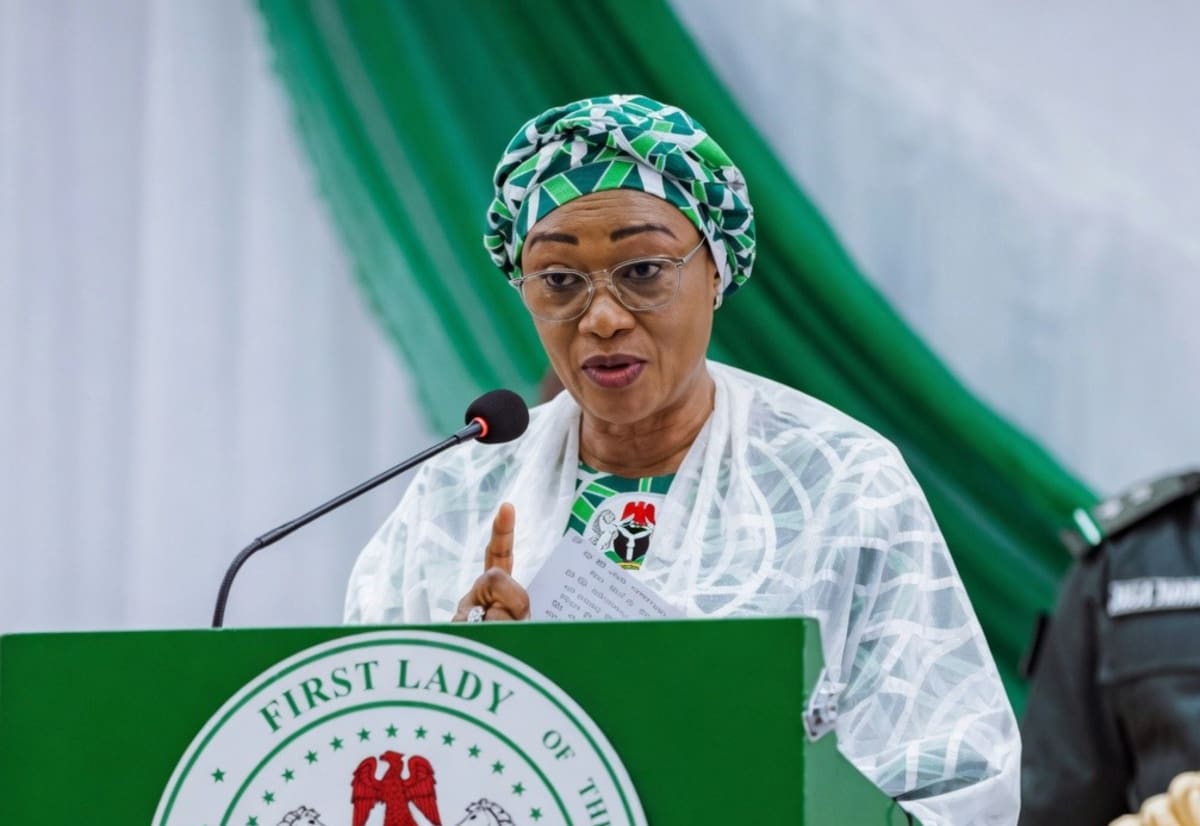
Nigeria’s First Lady, Senator Oluremi Tinubu, has issued a compelling call to action to eliminate child marriage, expand educational opportunities for girls, and ensure universal access to quality maternal healthcare. Her statement, released to mark the United Nations’ International Day to End Obstetric Fistula on May 23, underscores the persistent public health crises disproportionately affecting women and girls in low resource settings. Obstetric fistula, a devastating childbirth injury often linked to early marriage and inadequate maternal care, remains a stark reminder of the urgent need for systemic change in Nigeria’s healthcare and social policies. The condition, which causes chronic incontinence and severe social stigma, is almost entirely preventable with timely medical intervention. Yet, thousands of Nigerian women continue to suffer in silence, many of them adolescents who became pregnant before their bodies were fully developed. Tinubu’s advocacy arrives at a critical moment, as global health experts warn that progress in maternal health has stalled in many parts of sub Saharan Africa, including Nigeria, where maternal mortality rates remain among the highest in the world.
What Happened
In a statement released on May 23, Senator Oluremi Tinubu, Nigeria’s First Lady, urged policymakers, healthcare providers, and communities to take immediate steps to end child marriage and improve maternal healthcare access. Her remarks coincided with the United Nations’ International Day to End Obstetric Fistula, an annual observance aimed at raising awareness about a preventable yet devastating childbirth injury that affects an estimated two million women worldwide, primarily in sub Saharan Africa and South Asia.
Tinubu emphasized that child marriage and limited access to skilled birth attendants are key drivers of obstetric fistula, a condition that occurs when prolonged, obstructed labor tears a hole between the birth canal and bladder or rectum. Without surgical repair, women with fistula often face lifelong incontinence, social isolation, and economic hardship. The First Lady’s call aligns with Nigeria’s broader commitments under the Sustainable Development Goals, particularly Goal 3 (good health and well being) and Goal 5 (gender equality).
Why Public Health Officials Are Concerned
Obstetric fistula is not just a medical issue but a reflection of deep seated social and economic inequalities. In Nigeria, where nearly 43% of girls are married before the age of 18, child marriage significantly increases the risk of early pregnancy, which is closely linked to obstructed labor and fistula. The country accounts for a substantial portion of the global fistula burden, with an estimated 150,000 women living with the condition, according to the United Nations Population Fund (UNFPA).
Public health experts warn that the persistence of fistula signals broader failures in maternal healthcare systems. Many women in rural and underserved communities lack access to emergency obstetric care, including cesarean sections, which can prevent fistula in cases of prolonged labor. Additionally, cultural stigma surrounding the condition often prevents women from seeking treatment, exacerbating their suffering and perpetuating cycles of poverty.
Who May Be Affected
The burden of obstetric fistula falls disproportionately on young, poor, and rural women. Adolescent girls who become pregnant before their pelvises are fully developed are at the highest risk of obstructed labor, which can lead to fistula. In Nigeria, regions with high rates of child marriage, such as the Northwest and Northeast, also report the highest incidence of fistula. Women in these areas often face additional barriers, including limited education, economic dependence, and restricted access to healthcare facilities.
Beyond the physical and emotional toll, fistula has far reaching social consequences. Many affected women are abandoned by their partners, ostracized by their communities, and unable to work, pushing them further into poverty. Children born to mothers with fistula are also more likely to suffer from malnutrition and poor health outcomes due to the mother’s inability to care for them.
Government and International Response
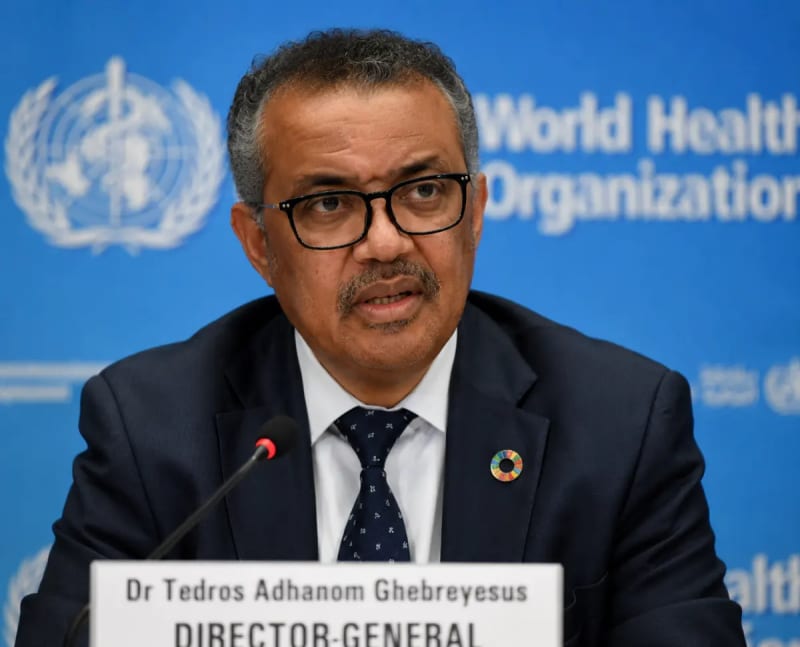
The Nigerian government, in collaboration with international partners like the UNFPA and the World Health Organization (WHO), has launched several initiatives to address obstetric fistula. The National Strategic Framework for the Elimination of Obstetric Fistula, launched in 2019, aims to end fistula in Nigeria by 2030 through prevention, treatment, and social reintegration programs. These efforts include training healthcare workers, increasing access to emergency obstetric care, and raising awareness about the condition.
Tinubu’s statement builds on these efforts by calling for stronger enforcement of laws against child marriage and greater investment in girls’ education. Nigeria’s Child Rights Act, which sets the legal age of marriage at 18, has been adopted by only 24 of the country’s 36 states, leaving millions of girls unprotected. Advocates argue that enforcing existing laws and expanding educational opportunities for girls are critical steps toward reducing early pregnancies and improving maternal health outcomes.
Prevention and Safety Guidance
Preventing obstetric fistula requires a multi faceted approach that addresses both medical and social determinants. Key strategies include:
- Delaying marriage and pregnancy: Enforcing laws against child marriage and promoting girls’ education can help delay first pregnancies until women’s bodies are fully developed.
- Improving access to skilled birth attendants: Ensuring that all women have access to trained healthcare providers during childbirth can prevent prolonged labor and reduce the risk of fistula.
- Expanding emergency obstetric care: Increasing the availability of cesarean sections and other life saving interventions in rural and underserved areas is critical to preventing fistula and other childbirth complications.
- Raising awareness: Community based education programs can help reduce stigma around fistula and encourage women to seek treatment. These programs should target not only women but also men, religious leaders, and community elders who influence social norms.
- Supporting rehabilitation and reintegration: Women who have undergone fistula repair surgery often need psychological support, vocational training, and economic assistance to rebuild their lives.
What Readers Should Know
Obstetric fistula is a preventable and treatable condition, yet it continues to devastate the lives of thousands of Nigerian women each year. The condition is a stark indicator of the gaps in maternal healthcare and social protections for women and girls. While progress has been made, much work remains to ensure that all women have access to the care they need during pregnancy and childbirth.
For those living in or traveling to regions with high rates of fistula, awareness of the condition and its risk factors is crucial. Women who experience prolonged labor, especially those in rural areas, should seek immediate medical attention to prevent complications. Communities can also play a role by supporting affected women and advocating for stronger healthcare systems and legal protections for girls.
Tinubu’s call to action serves as a reminder that ending obstetric fistula requires not only medical solutions but also social and political commitment. As Nigeria works toward its goal of eliminating fistula by 2030, the voices of advocates, policymakers, and survivors will be essential in driving meaningful change.
Key Takeaways
- Obstetric fistula is a preventable childbirth injury linked to early marriage, inadequate maternal care, and lack of access to emergency obstetric services.
- Nigeria accounts for a significant portion of the global fistula burden, with an estimated 150,000 women living with the condition, primarily in rural and underserved areas.
- Preventing fistula requires a combination of medical interventions, such as access to skilled birth attendants and emergency obstetric care, and social changes, including ending child marriage and expanding girls’ education.
- The Nigerian government and international partners have launched initiatives to eliminate fistula by 2030, but stronger enforcement of laws and greater investment in healthcare and education are needed to achieve this goal.
- Community awareness, stigma reduction, and support for affected women are critical to improving outcomes and preventing future cases of obstetric fistula.
Frequently Asked Questions
What is obstetric fistula?
Obstetric fistula is a childbirth injury caused by prolonged, obstructed labor that creates a hole between the birth canal and the bladder or rectum. This results in chronic incontinence and often leads to severe social stigma and isolation. The condition is almost entirely preventable with timely medical intervention, such as a cesarean section.
Why is child marriage linked to obstetric fistula?
Child marriage increases the risk of early pregnancy, often before a girl’s pelvis is fully developed. This makes obstructed labor more likely, which can lead to fistula. Girls who marry young are also less likely to have access to skilled birth attendants or emergency obstetric care, further increasing their risk.
How can obstetric fistula be prevented?
Preventing obstetric fistula involves delaying marriage and pregnancy until a woman’s body is fully developed, ensuring access to skilled birth attendants during childbirth, and expanding emergency obstetric care, including cesarean sections. Community education and stigma reduction are also critical to encouraging women to seek care.
What is Nigeria doing to address obstetric fistula?
Nigeria has launched the National Strategic Framework for the Elimination of Obstetric Fistula, which aims to end the condition by 2030. Efforts include training healthcare workers, increasing access to emergency obstetric care, and raising awareness. However, stronger enforcement of laws against child marriage and greater investment in girls’ education are needed to accelerate progress.
How can communities support women with obstetric fistula?
Communities can support affected women by reducing stigma, encouraging them to seek treatment, and advocating for better healthcare access. Providing psychological support, vocational training, and economic assistance can also help women rebuild their lives after fistula repair surgery.
Medical Review: MedSense Editorial Board











DISCUSSION (0)
POST A COMMENT