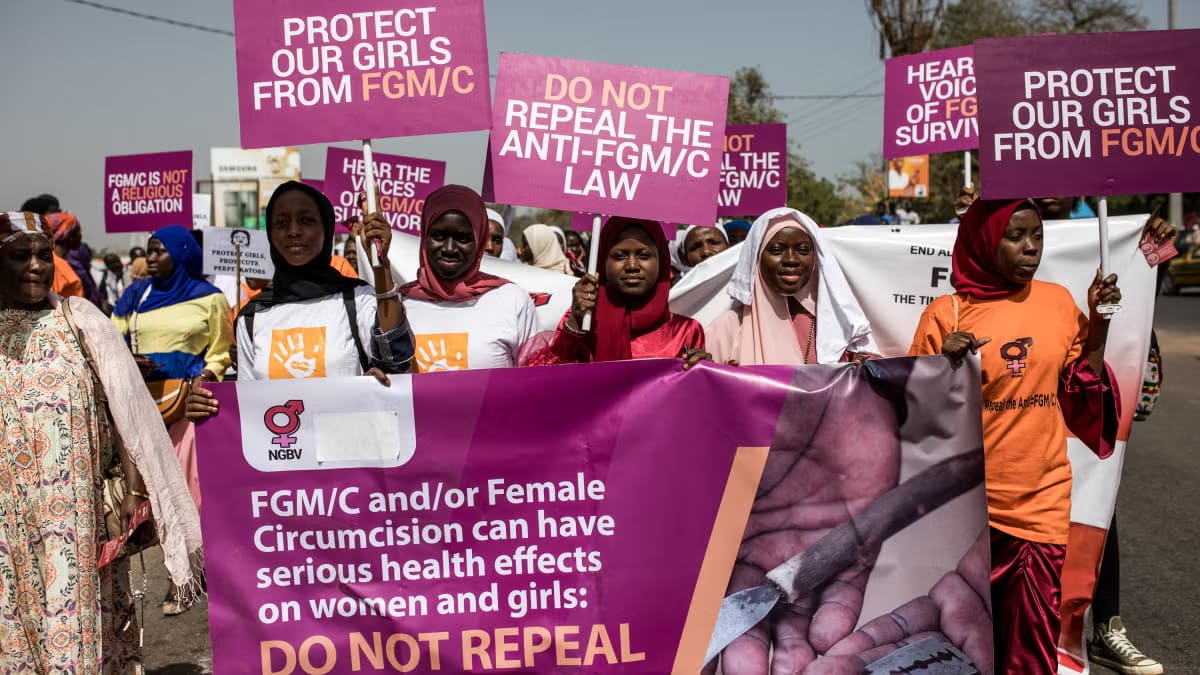
In the shadows of Nigeria’s healthcare system, a brutal tradition persists. Despite an 11 year legal ban on female genital mutilation, families continue to subject infant girls to the practice in secret, using methods that leave lasting physical and psychological scars. Investigations by PUNCH HealthWise expose how grandmothers and traditional practitioners employ thumbs, hot water, and ointments to alter or remove parts of a baby’s genitalia, all under the guise of cultural preservation. The findings reveal a stark gap between legislation and reality, raising urgent questions about enforcement, education, and the protection of vulnerable children.
What Happened
Nigeria’s 2015 prohibition of female genital mutilation was hailed as a landmark victory for women’s rights. Yet, a decade later, the practice has not disappeared, it has gone underground. Reports from PUNCH HealthWise uncover a disturbing trend: families, particularly in rural and semi urban communities, are still performing FGM on infant girls, often within days of birth. The methods described are harrowing. Traditional practitioners, frequently grandmothers or elder women, use their thumbs to press and manipulate the genital tissue, sometimes applying hot water, petroleum jelly, or herbal ointments to "shrink" or alter the area. The procedure is performed without anesthesia, leaving infants in severe pain and at risk of infection, hemorrhage, and long term complications.
Why Public Health Officials Are Concerned
Female genital mutilation is recognized globally as a violation of human rights and a form of gender based violence. The World Health Organization classifies FGM into four types, ranging from partial or total removal of the clitoris to the most extreme form, infibulation, which involves narrowing the vaginal opening. The practice carries no medical benefits and is associated with a cascade of health risks, including chronic pain, urinary tract infections, complications during childbirth, and psychological trauma. For infants, the risks are even more acute. Their underdeveloped immune systems make them particularly vulnerable to infections, while the lack of medical oversight increases the likelihood of life threatening complications. Public health experts warn that the secretive nature of these procedures makes it nearly impossible to track the true scale of the problem, let alone provide timely medical intervention.
Who May Be Affected
The practice is not confined to any single region or socioeconomic group, though it is most prevalent in communities where cultural beliefs about purity, marriageability, and female sexuality remain deeply entrenched. In Nigeria, FGM is most commonly reported in the South South, South East, and South West regions, but cases have been documented nationwide. Infants are often targeted because they are too young to resist or report the abuse, and families believe the procedure will be less noticeable to authorities. The involvement of grandmothers and elder women, figures traditionally seen as protectors, highlights the generational cycle of this harmful practice. Healthcare workers, teachers, and community leaders are also at the frontlines, as they may encounter victims but lack the training or resources to intervene effectively.
Government and WHO Response
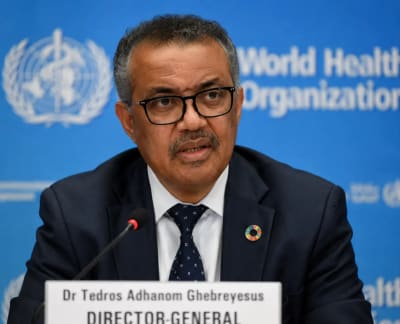
The Nigerian government has taken steps to address FGM, including the 2015 Violence Against Persons Prohibition Act, which criminalizes the practice, and the establishment of the National FGM Elimination Programme. However, enforcement remains weak, particularly in rural areas where traditional beliefs hold strong. The World Health Organization has repeatedly called for a multi sectoral approach, combining legal action with community education, healthcare provider training, and economic incentives for families to abandon the practice. In 2020, the WHO launched a global strategy to eliminate FGM by 2030, emphasizing the need for data collection, survivor support, and grassroots advocacy. Yet, progress in Nigeria has been slow, with cultural resistance and lack of funding cited as major barriers.
Prevention and Safety Guidance
Ending FGM requires a combination of legal, educational, and community based strategies. Public health campaigns must target not only women and girls but also men, religious leaders, and traditional practitioners who perpetuate the practice. Key steps include:
- Education and Awareness: Community dialogues, school programs, and media campaigns can challenge the myths surrounding FGM, such as the belief that it preserves virginity or enhances fertility. Survivors who speak out can play a powerful role in shifting perceptions.
- Healthcare Provider Training: Doctors, nurses, and midwives should be trained to recognize signs of FGM, provide care for survivors, and report suspected cases to authorities. Many healthcare workers currently lack the knowledge or confidence to intervene.
- Legal Enforcement: Strengthening the implementation of existing laws, including penalties for practitioners and families who commission FGM, is critical. This requires collaboration between law enforcement, social services, and local leaders.
- Economic Incentives: Programs that provide financial support or alternative livelihoods for traditional practitioners, who often rely on FGM for income, can help break the cycle.
- Support for Survivors: Access to medical, psychological, and legal support is essential for those who have undergone FGM. This includes reconstructive surgery, counseling, and safe spaces for survivors to share their experiences.
What Readers Should Know
Female genital mutilation is not a cultural practice to be tolerated, it is a human rights violation with devastating consequences. The fact that it continues in secret, even among infants, underscores the urgent need for collective action. Parents, caregivers, and community members must recognize that FGM offers no benefits and inflicts lifelong harm. If you suspect a child is at risk or has been subjected to FGM, report it to local authorities or organizations such as the United Nations Population Fund or End FGM European Network. Silence only perpetuates the cycle. For survivors, seeking medical and psychological support can be the first step toward healing. The fight to end FGM is far from over, but with sustained effort, it is a battle that can, and must, be won.
Key Takeaways
- Nigeria’s 2015 ban on female genital mutilation has not eradicated the practice, which continues in secret, often targeting infant girls.
- Traditional methods involve painful manipulation of genital tissue using thumbs, hot water, and ointments, posing severe health risks.
- FGM is a human rights violation with no medical benefits, leading to chronic pain, infections, childbirth complications, and psychological trauma.
- Weak enforcement, cultural resistance, and lack of awareness hinder progress, despite government and WHO efforts to eliminate the practice.
- Prevention requires education, healthcare provider training, legal enforcement, economic incentives, and survivor support.
Frequently Asked Questions
What is female genital mutilation (FGM)?
Female genital mutilation refers to all procedures involving partial or total removal of the external female genitalia or other injury to the female genital organs for non medical reasons. It is recognized internationally as a violation of human rights and a form of gender based violence.
Why do families still practice FGM despite the ban?
FGM is deeply rooted in cultural beliefs about purity, marriageability, and female sexuality. In many communities, it is seen as a rite of passage or a way to control women’s sexual behavior. Families may also fear social exclusion if they abandon the practice. Additionally, weak enforcement of laws and lack of awareness about the harms of FGM contribute to its persistence.
What are the health risks of FGM for infants?
Infants subjected to FGM face immediate risks such as severe pain, hemorrhage, infection, and shock. Long term complications include chronic pain, urinary tract infections, complications during childbirth, and psychological trauma. Infants are particularly vulnerable due to their underdeveloped immune systems and the lack of medical oversight during the procedure.
How can communities help end FGM?
Communities can play a crucial role by challenging cultural myths, supporting survivors, and reporting suspected cases to authorities. Education campaigns, involvement of religious and traditional leaders, and economic incentives for practitioners to abandon the practice are also effective strategies. Open dialogue and survivor testimonies can shift perceptions and reduce stigma.
Where can survivors of FGM seek help?
Survivors can access medical, psychological, and legal support through local healthcare providers, non governmental organizations, and international agencies such as the United Nations Population Fund (UNFPA) and the End FGM European Network. Reconstructive surgery, counseling, and support groups are available in many regions to help survivors heal and reclaim their lives.
Medical Review: MedSense Editorial Board













DISCUSSION (0)
POST A COMMENT