
What Happened
The Nigeria Centre for Disease Control and Prevention has formally opposed a legislative proposal to establish a National Institute for Public Health and Infectious Diseases. The bill, currently under consideration by Nigeria’s National Assembly, aims to create a new federal agency focused on public health research, training, and infectious disease control. However, the NCDC argues that the institute’s proposed functions mirror those already performed by existing agencies, including its own.
Why Public Health Officials Are Concerned
The NCDC’s Director General, Dr Jide Idris, warned that introducing another agency with parallel responsibilities could lead to bureaucratic inefficiencies, funding competition, and weakened coordination during health crises. Nigeria’s public health infrastructure has faced repeated challenges in recent years, from delayed responses to Lassa fever outbreaks to logistical hurdles during the COVID 19 vaccination rollout. Health policy experts note that institutional fragmentation has historically hampered disease control efforts in other African nations, where overlapping agencies often compete for limited resources rather than collaborate.
The NCDC’s stance reflects broader concerns about the optimal structure of Nigeria’s health security architecture. The agency, which was elevated to an independent center in 2018, has been at the forefront of Nigeria’s response to emerging health threats, including monkeypox and diphtheria outbreaks. Its opposition to the bill suggests a preference for strengthening existing institutions rather than creating new ones that may divert attention and funding from core disease control functions.
Who May Be Affected
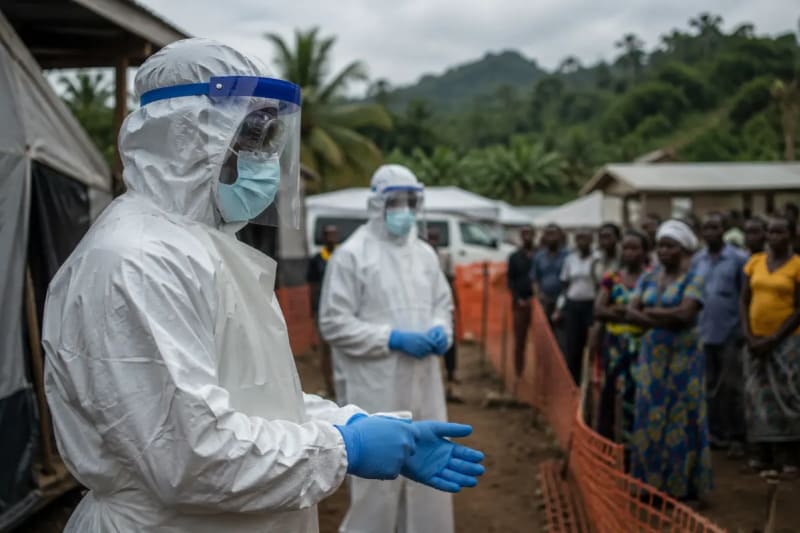
The debate over the proposed institute has implications for multiple stakeholders. For Nigeria’s healthcare workforce, the bill could mean shifts in training programs, research priorities, and career pathways if a new agency is established. Public health researchers may face uncertainty about funding allocations and institutional affiliations. Most critically, the general population could experience the consequences of weakened disease surveillance if coordination between agencies becomes more complex. During past outbreaks, delays in data sharing and response coordination have led to preventable deaths, particularly in rural and underserved communities.
Government Response and Next Steps
The National Assembly has not yet scheduled a vote on the bill, leaving room for further debate. The NCDC’s opposition may prompt lawmakers to reconsider the proposal or amend its scope to avoid functional overlap. Nigeria’s Federal Ministry of Health has not publicly commented on the bill, but its stance could prove decisive in shaping the outcome. In the meantime, public health advocates are calling for a comprehensive review of Nigeria’s health security architecture to identify gaps that genuinely require new institutional solutions, rather than duplicating existing capacities.
Prevention and Safety Guidance
While the institutional debate unfolds, health officials emphasize that Nigerians should remain vigilant about ongoing disease threats. The NCDC continues to recommend standard preventive measures, including:
- Regular handwashing with soap and clean water
- Seeking immediate medical attention for fever, unexplained bleeding, or severe respiratory symptoms
- Ensuring full vaccination for preventable diseases, including yellow fever and measles
- Following public health advisories during outbreaks, particularly in high risk states
What Readers Should Know
This legislative proposal arrives at a critical moment for Nigeria’s health system. The country is currently battling multiple disease outbreaks while also working to strengthen its pandemic preparedness capabilities. The NCDC’s opposition to the bill does not necessarily mean public health infrastructure should remain static, but rather that any institutional changes should be carefully designed to enhance, rather than undermine, existing disease control efforts. For now, the focus remains on improving coordination between federal, state, and local health authorities to ensure rapid response to emerging health threats.
Public health observers note that Nigeria’s experience mirrors global debates about the optimal structure of disease control agencies. Some countries have successfully consolidated health security functions under single agencies, while others have struggled with coordination challenges between multiple institutions. The outcome of this legislative process could set an important precedent for how Nigeria approaches health system reform in the coming decade.
Key Takeaways
- Nigeria’s NCDC opposes a bill to create a new public health institute, warning it could fragment disease surveillance and weaken emergency response
- Overlapping mandates between agencies may lead to bureaucratic inefficiencies and funding competition during health crises
- The debate highlights broader challenges in Nigeria’s health security architecture, including coordination gaps during past outbreaks
- Public health experts recommend strengthening existing institutions rather than creating new ones with redundant functions
Frequently Asked Questions
Why is the NCDC opposing the new public health institute bill?
The NCDC argues that the proposed National Institute for Public Health and Infectious Diseases would duplicate existing functions, potentially weakening Nigeria’s disease surveillance and emergency response capabilities. The agency believes the focus should be on strengthening current institutions rather than creating new ones with overlapping mandates.
What risks does institutional fragmentation pose to public health?
Fragmentation can lead to coordination challenges, funding competition, and delays in response during health emergencies. Past outbreaks in Nigeria have shown that poor inter agency coordination can result in preventable deaths, particularly in rural areas.
How might this bill affect ordinary Nigerians?
If the bill passes and leads to institutional fragmentation, Nigerians could experience weaker disease surveillance, slower outbreak responses, and potential disruptions in public health services. The general population may also face confusion about which agency to turn to for health information during emergencies.
What alternatives are being proposed to improve Nigeria’s public health system?
Public health advocates suggest conducting a comprehensive review of Nigeria’s health security architecture to identify genuine gaps that require new institutional solutions. Many experts recommend strengthening existing agencies like the NCDC rather than creating new ones with overlapping functions.
Medical Review: MedSense Editorial Board












DISCUSSION (0)
POST A COMMENT