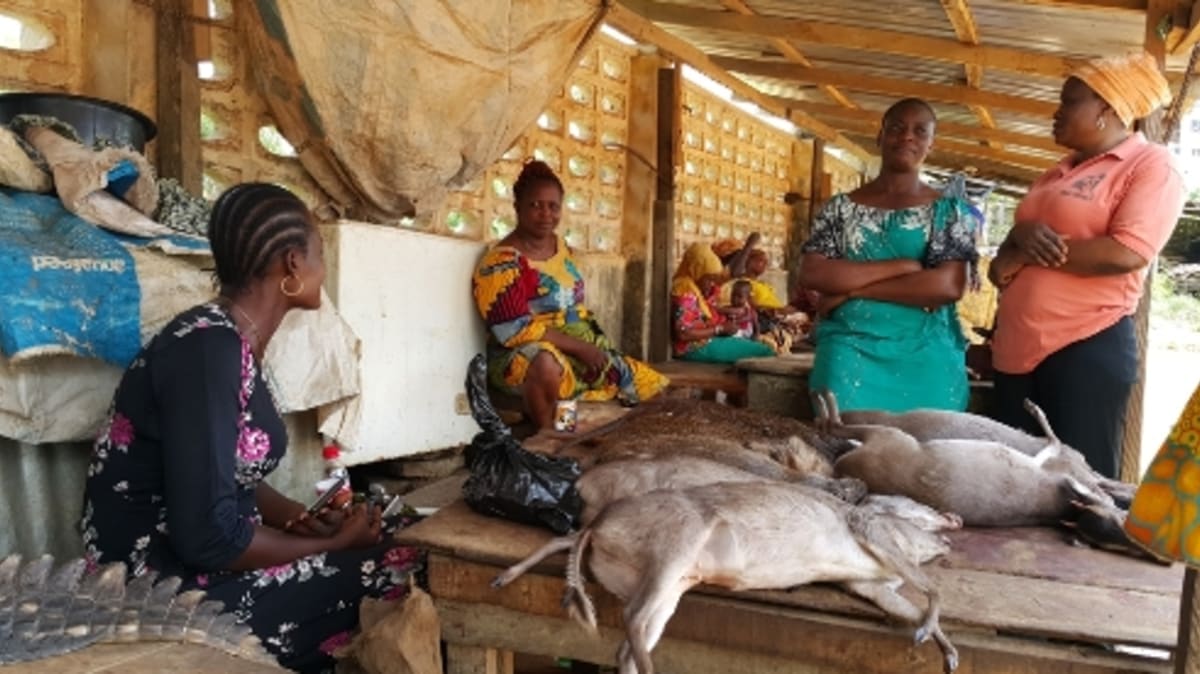
As Ebola Virus Disease makes a troubling return in several African nations, Nigerian health experts are sounding the alarm on a long standing but often overlooked risk factor: bushmeat consumption. Physicians across the country are urging the public to avoid wild game, particularly in regions where the virus has historically jumped from animals to humans. The warning comes as health authorities monitor cross border movement and prepare for potential outbreaks, emphasizing that prevention remains the most effective defense against a disease known for its rapid spread and high fatality rate. Ebola, a severe and often fatal illness, is transmitted to humans through direct contact with the blood, secretions, or organs of infected animals such as fruit bats, chimpanzees, and antelopes. Once in human populations, the virus spreads through direct contact with bodily fluids, making early detection and containment critical. With Nigeria’s porous borders and bustling trade routes, public health officials are particularly concerned about the risk of imported cases, especially in communities where bushmeat remains a dietary staple or cultural tradition.
What Happened
Nigerian physicians have issued a public advisory urging citizens to avoid the consumption of bushmeat amid reports of Ebola resurgence in neighboring African countries. The warning follows confirmed cases in regions where the virus has previously crossed from wildlife to human populations, reigniting concerns about zoonotic transmission. While Nigeria has not reported any active cases in this recent wave, health experts emphasize that vigilance is essential to prevent a potential outbreak.
Why Public Health Officials Are Concerned
Ebola Virus Disease is one of the most lethal pathogens known to medicine, with case fatality rates ranging from 25% to 90% depending on the outbreak and access to medical care. The virus is endemic in certain wildlife species, including fruit bats, which are considered natural hosts. When humans come into contact with infected animals, whether through hunting, butchering, or consuming raw or undercooked meat, the virus can spill over into human populations. Once established, Ebola spreads rapidly through direct contact with bodily fluids, contaminated surfaces, or even burial practices that involve close contact with the deceased.
Nigeria’s last major Ebola outbreak in 2014, which resulted in eight deaths, was traced back to a single traveler from Liberia. The country’s swift response, including contact tracing and isolation measures, was widely praised and credited with containing the spread. However, public health officials warn that complacency could be dangerous, particularly in areas where bushmeat remains a common food source or where healthcare infrastructure is strained.
Symptoms or Risk Factors
Ebola symptoms typically appear between 2 to 21 days after exposure and may initially resemble common illnesses like malaria or typhoid. Early signs include fever, fatigue, muscle pain, headache, and sore throat. As the disease progresses, patients may experience vomiting, diarrhea, rash, impaired kidney and liver function, and in severe cases, internal and external bleeding. The risk of transmission is highest when symptoms are present, but the virus can also persist in certain bodily fluids, such as semen, for months after recovery.
Individuals at higher risk include healthcare workers, family members caring for infected patients, hunters, and those involved in the bushmeat trade. Travelers to or from regions with active Ebola transmission should also exercise caution and monitor their health closely.
Who May Be Affected
The advisory is particularly relevant for communities in Nigeria’s southern and central regions, where bushmeat consumption is more prevalent due to cultural practices and economic factors. Rural populations, where access to alternative protein sources may be limited, are also at greater risk. Additionally, urban markets that sell bushmeat, often without proper regulatory oversight, pose a public health challenge, as the origin and handling of such meat are difficult to trace.
Healthcare workers are another high risk group, as they are often the first line of defense in identifying and treating suspected cases. During the 2014 outbreak, Nigeria lost several medical professionals to the virus, underscoring the need for strict infection control measures in hospitals and clinics.
Government or WHO Response
The Nigeria Centre for Disease Control and Prevention (NCDC) has reiterated its commitment to monitoring and responding to potential Ebola cases. In a recent statement, the agency assured the public that surveillance systems are in place to detect and contain any suspected cases promptly. The NCDC has also urged state governments to strengthen their disease surveillance and response capacities, particularly in border communities.
The World Health Organization (WHO) has classified the current Ebola situation in Africa as a public health event of regional concern. While the risk of international spread remains low, the WHO has called for increased vigilance in countries with trade or travel links to affected regions. The organization is supporting affected nations with technical expertise, laboratory diagnostics, and vaccine deployment where appropriate.
Prevention and Safety Guidance
Avoiding bushmeat is the most straightforward way to reduce the risk of Ebola transmission from animals to humans. The NCDC and other health authorities recommend the following precautions:
- Avoid contact with wild animals: Refrain from hunting, handling, or consuming bushmeat, including bats, monkeys, chimpanzees, and antelopes.
- Practice safe food handling: If consuming meat, ensure it is thoroughly cooked to kill any potential pathogens. Avoid raw or undercooked animal products.
- Maintain hygiene: Wash hands frequently with soap and water, especially after handling animals or visiting markets where bushmeat is sold.
- Report suspected cases: Individuals exhibiting Ebola like symptoms, particularly after exposure to bushmeat or travel to affected regions, should seek medical attention immediately and inform healthcare providers of their potential risk.
- Follow public health advisories: Stay informed through official channels such as the NCDC and WHO for updates on Ebola and other infectious diseases.
What Readers Should Know
Ebola is not the only disease linked to bushmeat consumption. Other zoonotic pathogens, such as monkeypox, Lassa fever, and even certain strains of influenza, have been traced back to contact with wild animals. The broader lesson is that human encroachment into wildlife habitats, whether through deforestation, hunting, or urbanization, increases the risk of spillover events. Public health experts emphasize that prevention is not just about avoiding a single disease but adopting practices that reduce the likelihood of future outbreaks.
For Nigerians, the current advisory is a reminder that food choices can have far reaching health implications. While bushmeat may hold cultural or economic significance, the potential risks, particularly in the context of a resurgent Ebola, outweigh the benefits. Health authorities are not calling for a permanent ban but rather urging caution and informed decision making, especially in high risk areas.
As the global community continues to grapple with emerging infectious diseases, the Ebola resurgence serves as a stark reminder of the interconnectedness of human, animal, and environmental health. Vigilance, preparedness, and community engagement remain the cornerstones of effective disease prevention.
Key Takeaways
- Ebola Virus Disease can spread from animals to humans through contact with infected bushmeat, making avoidance a key preventive measure.
- Symptoms of Ebola include fever, fatigue, vomiting, and in severe cases, internal and external bleeding, with a high fatality rate if untreated.
- Nigerian health authorities are monitoring the situation closely and urging the public to report suspected cases immediately.
- Prevention strategies include avoiding bushmeat, practicing safe food handling, maintaining hygiene, and staying informed through official health advisories.
Frequently Asked Questions
What is bushmeat, and why is it linked to Ebola?
Bushmeat refers to wild animals hunted for food, including bats, monkeys, and antelopes. These animals can carry the Ebola virus, which can be transmitted to humans through contact with their blood, organs, or bodily fluids, particularly during hunting, butchering, or consumption.
How does Ebola spread among humans?
Ebola spreads through direct contact with the bodily fluids of an infected person, such as blood, vomit, urine, or semen. It can also spread through contaminated surfaces or objects, such as needles or clothing. The virus is not airborne but is highly contagious in close contact settings.
What should I do if I suspect I have been exposed to Ebola?
If you suspect exposure, isolate yourself immediately and seek medical attention. Inform healthcare providers of your potential risk before arriving at a facility to ensure proper infection control measures are taken. Early diagnosis and treatment significantly improve survival rates.
Is there a vaccine for Ebola?
Currently, there is no widely approved vaccine specifically for the Bundibugyo strain of Ebola responsible for this outbreak. Health authorities are relying on rapid isolation, contact tracing, protective measures, and supportive care to contain the virus.
Can Ebola be treated?
While there is no specific antiviral treatment for Ebola, supportive care, such as rehydration, pain management, and treatment of secondary infections, can significantly improve survival rates. Experimental treatments, including monoclonal antibodies, have shown promise in clinical trials and are being used in some outbreak settings.
Medical Review: MedSense Editorial Board
























DISCUSSION (0)
POST A COMMENT