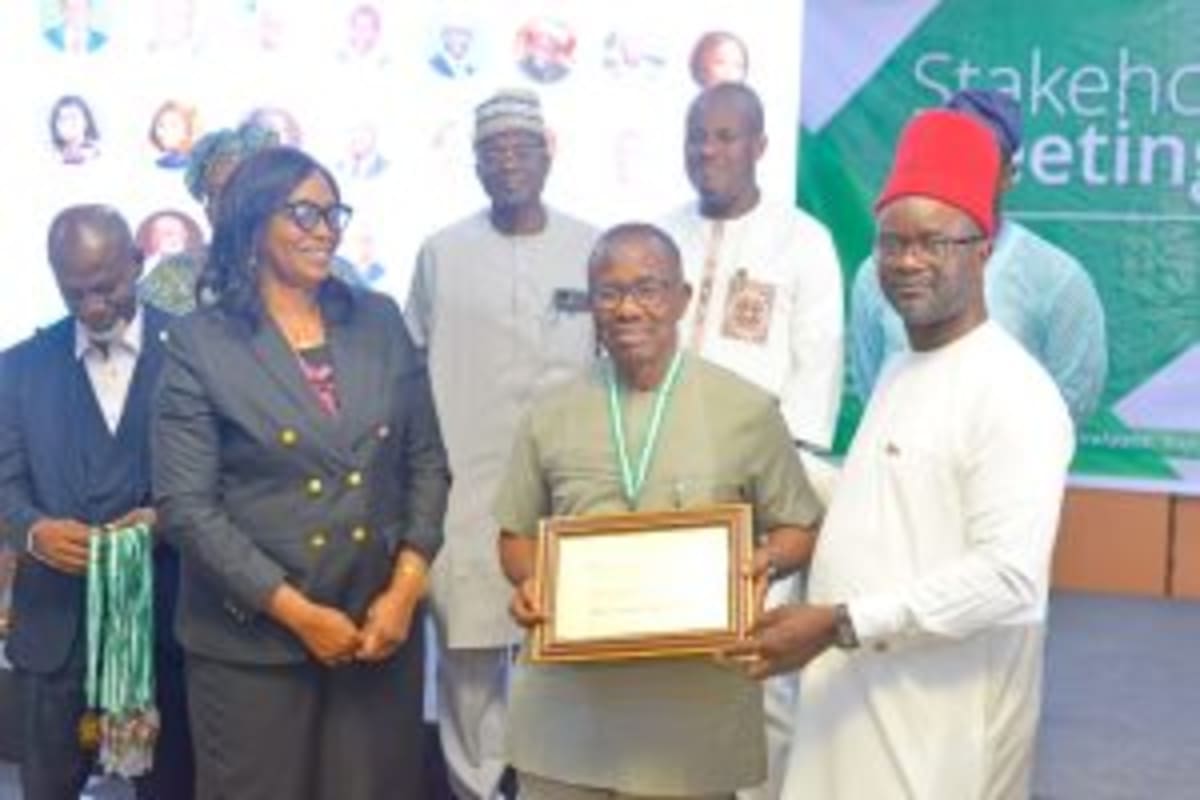
Nigeria’s pharmaceutical research community is set to make its mark on the world stage next year, as two pioneering studies from the Community Pharmacists Assessment and Career Progression Institute have been selected for presentation at the 84th International Pharmaceutical Federation World Congress of Pharmacy and Pharmaceutical Sciences. The event, scheduled for August 30 to September 2 in Montreal, Canada, is the largest gathering of pharmacy professionals globally, drawing thousands of researchers, policymakers, and practitioners from over 100 countries. For Nigeria, this acceptance signals not only recognition of local innovation but also a growing influence of African pharmaceutical science in shaping global health discourse.
Clinical Significance
The inclusion of Nigerian research at the FIP World Congress underscores the evolving role of community pharmacists in addressing public health challenges, particularly in low and middle income countries. Community pharmacists are often the first point of contact for patients seeking healthcare, making their contributions critical in areas such as medication adherence, chronic disease management, and antimicrobial stewardship. The acceptance of these abstracts highlights how Nigerian researchers are leveraging local data to develop solutions with global relevance.
Deep Dive and Research Findings
While details of the two accepted abstracts have not been fully disclosed, the Community Pharmacists Assessment and Career Progression Institute has built a reputation for research focused on career development, professional competency, and the integration of pharmacists into primary healthcare systems. Previous work from the institute has explored topics such as the impact of pharmacist led interventions on patient outcomes, barriers to career progression in community pharmacy, and the role of continuing education in improving service delivery. These themes align with the FIP’s strategic priorities, which emphasize workforce development, equitable access to medicines, and the advancement of pharmaceutical care.
The 2026 congress, themed "Pharmacy United in Action for a Healthier World," will provide a platform for Nigerian researchers to present their findings alongside peers from high income nations. This exchange of knowledge is particularly valuable for African researchers, who often face challenges such as limited funding, infrastructure gaps, and underrepresentation in international journals. The opportunity to present at such a prestigious event could pave the way for future collaborations, funding opportunities, and policy influence.
Future Outlook and Medical Implications
The acceptance of these abstracts reflects a broader trend of African pharmaceutical research gaining visibility on the global stage. In recent years, institutions across the continent have increasingly contributed to high impact studies, from clinical trials for infectious diseases to innovations in drug delivery systems. For Nigeria, this milestone could inspire greater investment in local research capacity, including funding for pharmacy education, infrastructure, and public private partnerships.
Moreover, the recognition could have ripple effects for patient care in Nigeria. Research presented at international forums often informs policy changes, clinical guidelines, and best practices. If the findings from these abstracts demonstrate effective models for pharmacist led interventions, they could influence how community pharmacies operate in Nigeria and other African nations, ultimately improving health outcomes for millions of people.
Patient or Practitioner Guidance
For pharmacists and healthcare professionals in Nigeria, this development serves as a call to action. Engaging in research not only elevates individual careers but also strengthens the profession’s ability to address local health challenges. Practitioners are encouraged to explore opportunities for continuing education, collaborate with academic institutions, and contribute to studies that can shape policy and practice.
Patients, too, stand to benefit from this growing research culture. As pharmacists expand their roles beyond dispensing medications to include health screenings, chronic disease management, and patient education, the quality of care in community settings is likely to improve. Patients should feel empowered to ask their pharmacists about new services, evidence based treatments, and how research backed practices can enhance their health outcomes.
For policymakers and healthcare leaders, this milestone highlights the need to support pharmaceutical research through funding, infrastructure development, and policy reforms. Investing in the pharmacy workforce is not just an academic exercise; it is a strategic move to build resilient health systems capable of responding to both current and emerging health threats.
Key Takeaways
- Two research abstracts from Nigeria’s Community Pharmacists Assessment and Career Progression Institute have been accepted for presentation at the 2026 FIP World Congress, marking a significant achievement for African pharmaceutical research.
- The FIP World Congress is the largest global gathering of pharmacy professionals, offering Nigerian researchers a platform to share local innovations with an international audience.
- This recognition could lead to greater investment in Nigeria’s pharmaceutical research capacity, improved patient care, and stronger global collaborations in health science.
- Community pharmacists play a critical role in public health, and their research contributions can drive policy changes, clinical guidelines, and better health outcomes in low and middle income countries.
Frequently Asked Questions
What is the FIP World Congress of Pharmacy and Pharmaceutical Sciences?
The FIP World Congress is the annual gathering of the International Pharmaceutical Federation, the global body representing pharmacists and pharmaceutical scientists. It is the largest event of its kind, bringing together professionals from over 100 countries to discuss research, policy, and practice in pharmacy and pharmaceutical sciences.
Why is this achievement significant for Nigeria?
This achievement is significant because it highlights the growing influence of Nigerian and African pharmaceutical research on the global stage. It provides an opportunity for local researchers to share their work, gain international recognition, and attract collaborations and funding that can improve healthcare in Nigeria.
What topics might the Nigerian research abstracts cover?
While the specific topics of the abstracts have not been disclosed, the Community Pharmacists Assessment and Career Progression Institute has previously focused on areas such as pharmacist led interventions, career development in community pharmacy, and the integration of pharmacists into primary healthcare systems. These topics align with global priorities in pharmaceutical care and workforce development.
How can Nigerian pharmacists get involved in research?
Nigerian pharmacists can get involved in research by pursuing continuing education, collaborating with academic institutions, joining professional networks, and participating in studies that address local health challenges. Engaging in research not only advances individual careers but also strengthens the profession’s impact on public health.
What are the potential benefits of this research for patients in Nigeria?
The potential benefits for patients include improved access to evidence based care, expanded services from community pharmacists (such as health screenings and chronic disease management), and better health outcomes through research backed practices. As pharmacists take on more clinical roles, patients can expect higher quality care in community settings.
Medical Review: MedSense Editorial Board



















DISCUSSION (0)
POST A COMMENT