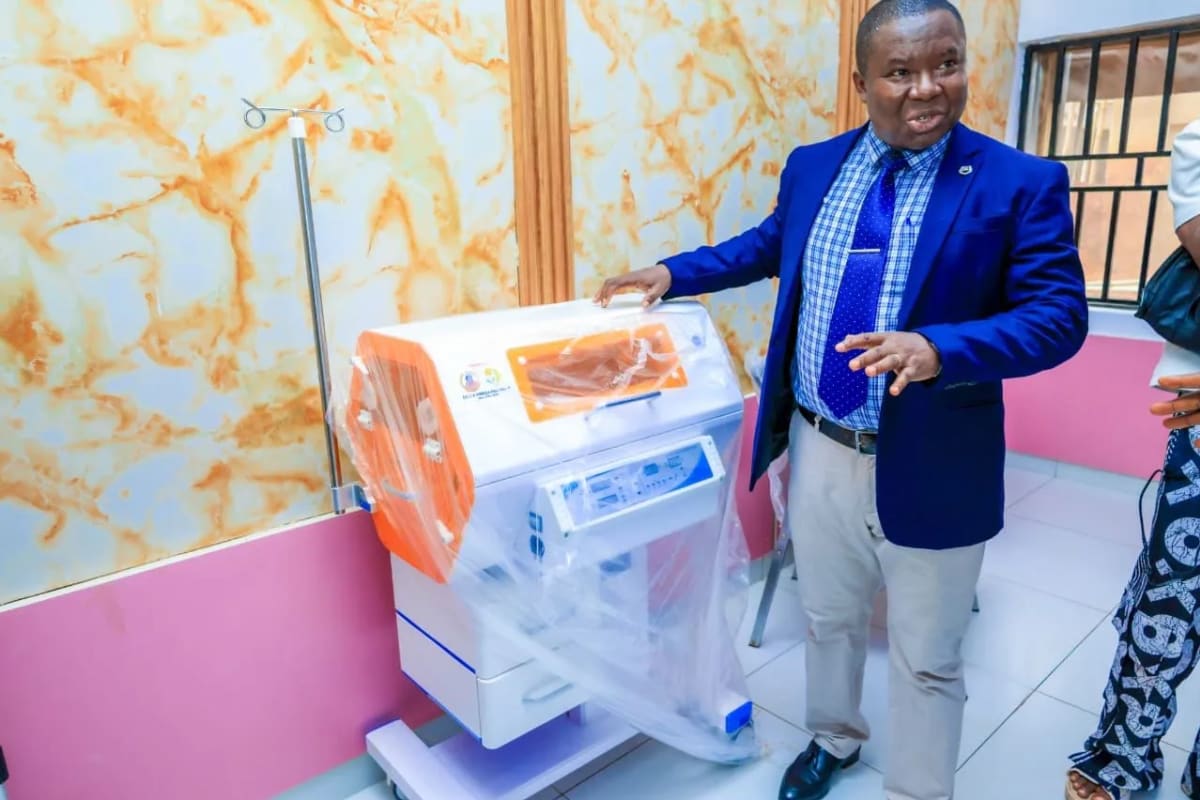
Enugu, Nigeria A critical lifeline for premature and sick newborns in southeastern Nigeria has received a major upgrade. The Cecilia Oyebola Foundation has officially inaugurated a fully renovated and equipped Neonatal Care Unit at the Enugu State University Teaching Hospital, marking a significant step in the region’s fight against preventable infant deaths. The project, completed in honour of the late Cecilia Oyebola, aims to reduce hospital acquired infections and improve survival rates for vulnerable infants during their first fragile weeks of life. With neonatal mortality remaining a persistent challenge in Nigeria, where an estimated 262,000 newborns die annually, many from preventable causes, such infrastructure improvements are increasingly seen as vital to achieving national and global child health targets. The upgraded unit now offers a safer, more controlled environment for high risk infants, many of whom arrive prematurely or with complications requiring intensive medical support.
What Happened
The Neonatal Care Unit at Enugu State University Teaching Hospital has been fully renovated and re equipped through the efforts of the Cecilia Oyebola Foundation. The foundation, established in memory of Cecilia Oyebola, the late mother of Dr Yomi Jaye, Special Adviser to the Governor of Enugu State, focused the upgrade on infection prevention, a leading cause of neonatal mortality in hospital settings. The newly inaugurated unit is expected to serve as a regional hub for specialized newborn care, supporting families across Enugu and neighbouring states.
Why Public Health Officials Are Concerned
Nigeria accounts for nearly 10% of global neonatal deaths, with hospital acquired infections playing a significant role in many cases. Neonatal units, especially in resource limited settings, often face challenges such as overcrowding, inadequate sterilization, and limited access to essential medical equipment. These conditions increase the risk of sepsis, pneumonia, and other life threatening infections in newborns. Upgrades like the one at ESUTH are critical not only for immediate patient safety but also for building resilient health systems capable of meeting Sustainable Development Goal 3.2, which aims to end preventable deaths of newborns and children under five by 2030.
Who May Be Affected
The enhanced Neonatal Care Unit will primarily serve premature infants, low birth weight babies, and newborns with medical complications such as respiratory distress, jaundice, or infections. Families from Enugu State and surrounding regions, including parts of Ebonyi, Anambra, and Abia, who require specialized neonatal care will benefit from improved access to life saving treatment. The upgrade is particularly significant for low income households, who often face financial and logistical barriers to accessing high quality newborn care.
Prevention and Safety Guidance
While the renovated unit strengthens hospital based care, public health experts emphasize that prevention begins before birth. Key measures to reduce neonatal risks include:
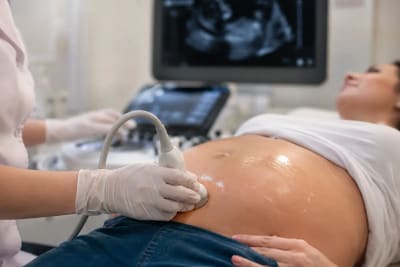
- Regular antenatal care visits to monitor maternal and fetal health
- Skilled birth attendance to manage complications during delivery
- Immediate and exclusive breastfeeding to boost newborn immunity
- Hygienic umbilical cord care to prevent infections
- Vaccination of pregnant women against tetanus and other preventable diseases
Parents and caregivers are also advised to seek medical attention promptly if a newborn shows signs of distress, such as difficulty breathing, fever, lethargy, or poor feeding.
What Readers Should Know
The inauguration of the upgraded Neonatal Care Unit at ESUTH reflects a growing recognition of the need for targeted investments in newborn health infrastructure. While this project addresses a critical gap in Enugu, similar upgrades are needed across Nigeria’s healthcare system to ensure equitable access to safe, high quality neonatal care. For families in the region, the improved unit offers hope, but sustained funding, staff training, and community awareness remain essential to translating infrastructure gains into lasting reductions in infant mortality.
Key Takeaways
- The Cecilia Oyebola Foundation has renovated and equipped the Neonatal Care Unit at Enugu State University Teaching Hospital to improve infection control and newborn survival.
- Nigeria faces high neonatal mortality rates, with hospital acquired infections contributing significantly to preventable infant deaths.
- The upgraded unit will serve premature and sick newborns from Enugu and neighbouring states, particularly benefiting low income families.
- Prevention of neonatal complications begins with antenatal care, skilled birth attendance, breastfeeding, and infection control practices at home and in healthcare settings.
Frequently Asked Questions
What is a neonatal care unit?
A neonatal care unit, often called a NICU, is a specialized hospital unit that provides intensive medical care for premature, low birth weight, or critically ill newborns. These units are equipped with advanced technology and staffed by healthcare professionals trained in newborn medicine.
Why are hospital acquired infections a major concern in neonatal care?
Newborns, especially those born prematurely, have underdeveloped immune systems, making them highly vulnerable to infections. In hospital settings, bacteria and viruses can spread through contaminated equipment, surfaces, or healthcare workers, leading to serious complications like sepsis, which can be fatal.
How can parents reduce the risk of infections in newborns?
Parents can reduce infection risks by ensuring proper hand hygiene before handling the baby, keeping the newborn’s environment clean, avoiding exposure to sick individuals, and following recommended vaccination schedules. Immediate medical attention should be sought if the baby shows signs of illness, such as fever, difficulty breathing, or poor feeding.
What role do foundations and NGOs play in improving neonatal care in Nigeria?
Foundations and NGOs often fill critical gaps in public healthcare by funding infrastructure upgrades, providing medical equipment, training healthcare workers, and raising awareness about maternal and child health. Their contributions are vital in regions where government resources are limited, helping to improve access to quality care for vulnerable populations.
Medical Review: MedSense Editorial Board















DISCUSSION (0)
POST A COMMENT