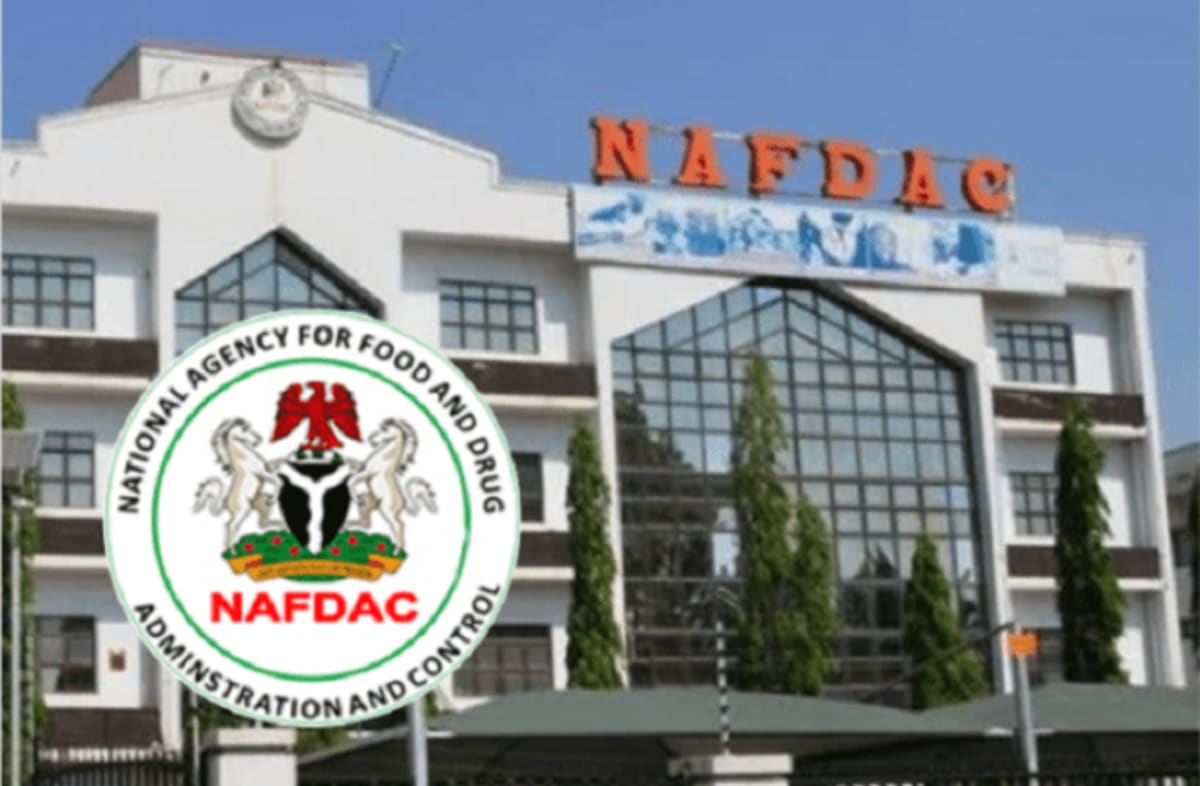
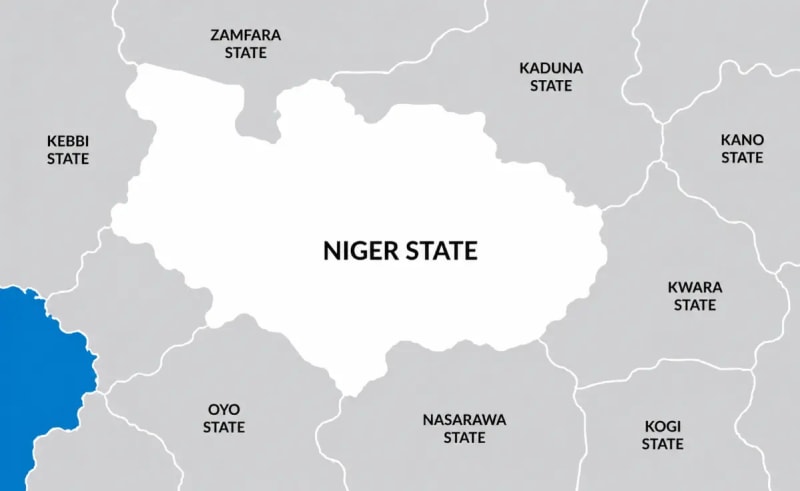
Nigeria’s National Agency for Food and Drug Administration and Control (NAFDAC) has incinerated counterfeit and unregistered pharmaceutical products valued at approximately N2 billion in Kaduna State. The destruction, carried out at the Gonin Gora dumpsite, targeted consignments of fake Pregabalin capsules intercepted before reaching the market. This operation underscores the escalating threat of counterfeit medications in Nigeria’s pharmaceutical supply chain and the agency’s intensified efforts to curb the menace. Officials confirmed the seized drugs were part of a broader crackdown on illicit pharmaceuticals flooding the country’s informal and formal markets.
What Happened
The destruction of counterfeit drugs worth N2 billion in Kaduna State marks one of Nigeria’s most significant enforcement actions against the proliferation of fake pharmaceuticals. NAFDAC’s operation, conducted at the Gonin Gora dumpsite, involved the incineration of unregistered and counterfeit medications, including fake Pregabalin capsules. These drugs were intercepted before they could enter the supply chain, preventing potential harm to patients who might have unknowingly purchased them.
Why Public Health Officials Are Concerned
The scale of the counterfeit drug trade in Nigeria poses severe risks to public health, undermining trust in legitimate pharmaceuticals and endangering patients. Counterfeit medications often contain incorrect ingredients, improper dosages, or harmful substances, which can lead to treatment failures, adverse reactions, or even death. Pregabalin, a prescription medication used to treat nerve pain and seizures, is frequently targeted by counterfeiters due to its high demand and cost. The presence of fake versions in the market highlights the sophistication of criminal networks exploiting gaps in drug regulation and distribution.
Symptoms or Risk Factors
Consuming counterfeit drugs can result in a range of health complications, depending on the medication and the substances used in its production. For counterfeit Pregabalin, patients may experience:
- Ineffective pain relief or seizure control due to incorrect active ingredients.
- Adverse reactions from contaminants, such as heavy metals, toxic chemicals, or incorrect fillers.
- Worsening of underlying conditions if the counterfeit drug fails to deliver the intended therapeutic effect.
Vulnerable populations, including low income earners who may seek cheaper alternatives, are particularly at risk of purchasing counterfeit medications from unregulated sources.
Who May Be Affected
The impact of counterfeit drugs extends beyond individual patients to the broader healthcare system. Key groups at risk include:
- Patients with chronic conditions, such as epilepsy or diabetic nerve pain, who rely on consistent medication.
- Low income communities that may turn to informal markets for affordable drugs.
- Healthcare providers who unknowingly prescribe or dispense counterfeit medications.
- The pharmaceutical industry, which faces reputational damage and financial losses due to counterfeit competition.
Government or WHO Response
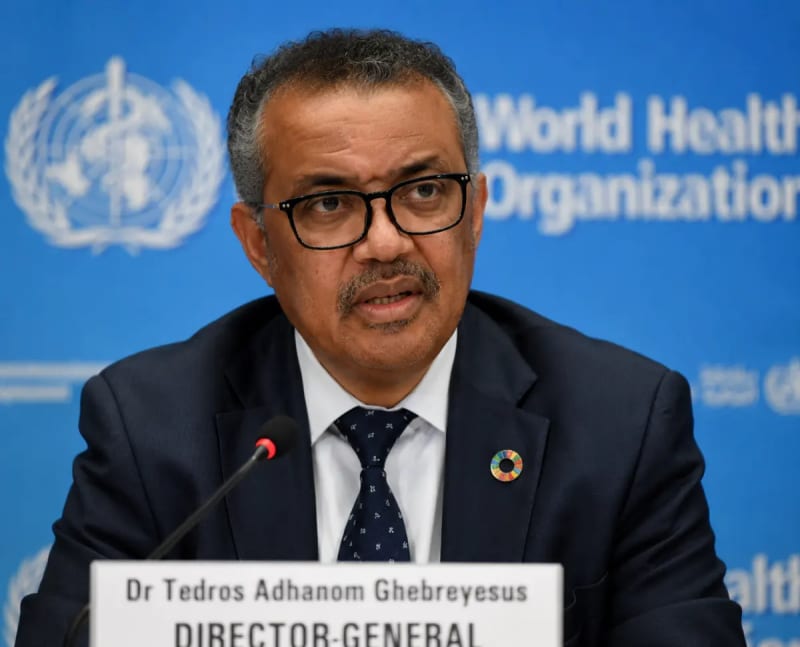
NAFDAC’s enforcement actions align with broader efforts by the Nigerian government and international health organizations to combat counterfeit drugs. The agency has intensified surveillance at borders, ports, and local markets, while also collaborating with law enforcement to dismantle criminal networks. Globally, the World Health Organization (WHO) has warned about the dangers of counterfeit pharmaceuticals, estimating that up to 10% of drugs in low and middle income countries are substandard or falsified. Nigeria’s crackdown reflects a growing recognition of the need for stricter regulations, public awareness campaigns, and international cooperation to address this crisis.
Prevention and Safety Guidance
To protect themselves from counterfeit drugs, patients and healthcare providers should follow these precautions:
- Purchase medications from licensed pharmacies and avoid street vendors or unregulated online sellers.
- Verify the authenticity of drugs by checking for NAFDAC registration numbers on packaging and using the agency’s mobile verification system.
- Be cautious of unusually low prices, as counterfeit drugs are often sold at a fraction of the legitimate cost.
- Report suspicious medications to NAFDAC or local health authorities immediately.
- Educate communities about the risks of counterfeit drugs and the importance of using approved pharmaceuticals.
What Readers Should Know
The destruction of N2 billion in fake drugs in Kaduna is a stark reminder of the persistent threat counterfeit pharmaceuticals pose to Nigeria’s health system. While NAFDAC’s enforcement actions are critical, long term solutions require a multi sectoral approach, including stronger penalties for counterfeiters, improved supply chain transparency, and public education. Patients must remain vigilant, prioritizing safety over cost when purchasing medications. For healthcare providers, vigilance in sourcing and dispensing drugs is essential to prevent counterfeit products from reaching patients. The fight against counterfeit drugs is far from over, but Nigeria’s aggressive stance sets a precedent for other countries grappling with similar challenges.
Key Takeaways
- NAFDAC destroyed counterfeit drugs worth N2 billion in Kaduna, including fake Pregabalin capsules, to prevent public harm.
- Counterfeit medications pose severe health risks, including treatment failures and adverse reactions, due to incorrect ingredients or contaminants.
- Vulnerable populations, such as low income earners and patients with chronic conditions, are most at risk of purchasing counterfeit drugs.
- Patients should only buy medications from licensed pharmacies and verify authenticity using NAFDAC’s registration system.
- Combating counterfeit drugs requires coordinated efforts between governments, health agencies, and communities.
Frequently Asked Questions
How can I tell if a drug is counterfeit?
Check for NAFDAC registration numbers on the packaging, verify the product with the agency’s mobile verification system, and avoid purchasing from unlicensed vendors or street sellers.
What are the dangers of taking counterfeit Pregabalin?
Counterfeit Pregabalin may contain incorrect active ingredients, harmful contaminants, or improper dosages, leading to ineffective treatment, adverse reactions, or worsening of underlying conditions.
What should I do if I suspect I have a counterfeit drug?
Stop using the medication immediately and report it to NAFDAC or local health authorities. Provide details about where and how you obtained the drug for further investigation.
Why are counterfeit drugs so common in Nigeria?
Factors contributing to the counterfeit drug trade include weak regulatory enforcement, high demand for affordable medications, porous borders, and the presence of informal markets where unregulated drugs are sold.
Medical Review: MedSense Editorial Board








DISCUSSION (0)
POST A COMMENT