What Happened
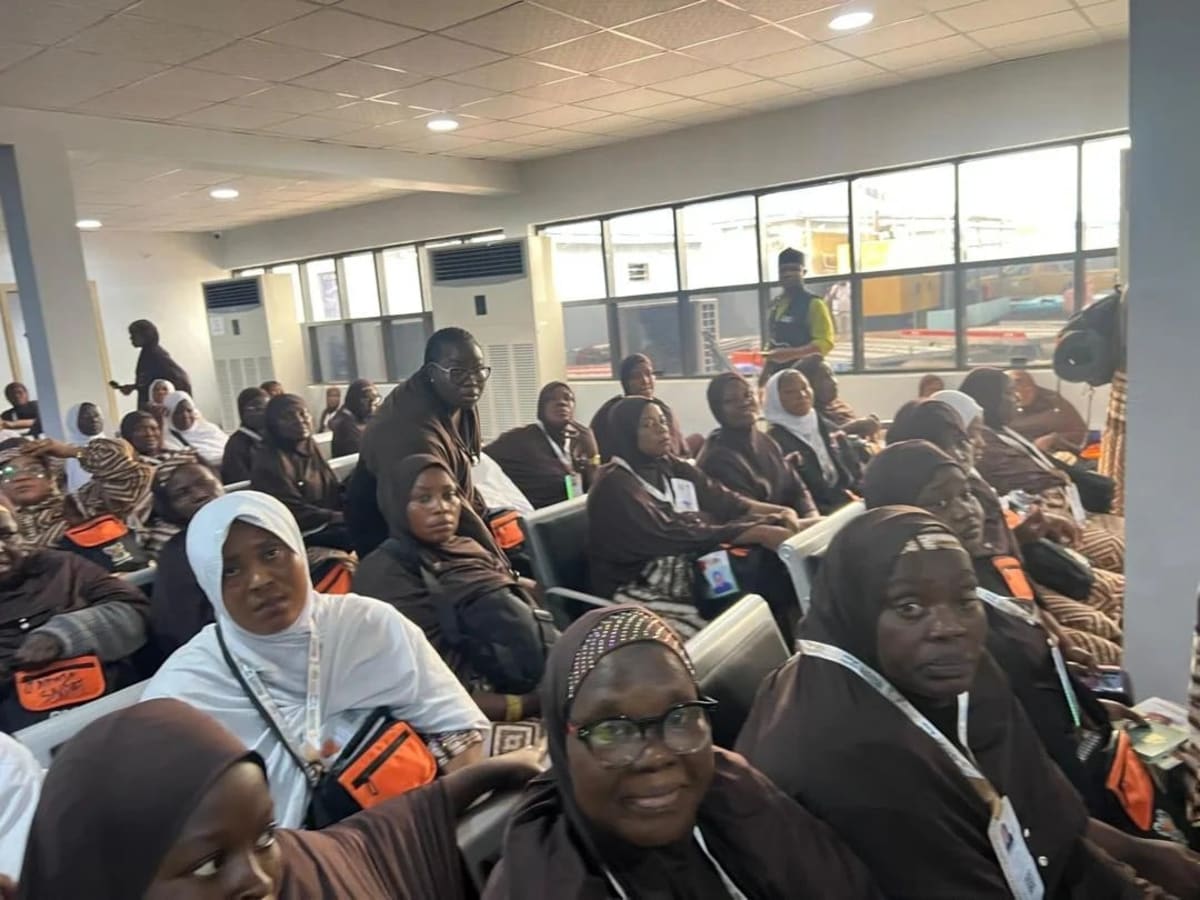
Nigeria’s Federal Ministry of Health has deployed dedicated Ebola screening portals at major points of entry, including Murtala Muhammed International Airport in Lagos and Nnamdi Azikiwe International Airport in Abuja. The initiative prioritizes travelers arriving from Uganda, the Democratic Republic of the Congo, and other high risk countries, as well as Nigerian pilgrims returning from the Hajj in Saudi Arabia. Screening protocols include temperature checks, symptom questionnaires, and rapid diagnostic testing for individuals exhibiting signs of infection.
Health officials confirmed that the screening is mandatory and non negotiable for all inbound passengers, regardless of nationality or travel history. The measure aligns with the International Health Regulations, which require countries to implement surveillance and response mechanisms for public health threats of international concern.
Why Public Health Officials Are Concerned
Ebola virus disease is one of the most lethal pathogens known to medicine, with case fatality rates ranging from 25% to 90% depending on the strain and healthcare infrastructure. The current outbreaks in Uganda and the Democratic Republic of the Congo involve two distinct strains, each with unique transmission dynamics and clinical presentations. The Sudan strain, last seen in Uganda in 2012, has no approved vaccine or specific treatment, while the Zaire strain, responsible for the 2014 West Africa epidemic, has a licensed vaccine but remains highly contagious.
Public health experts warn that Nigeria’s dense urban centers, such as Lagos and Kano, could serve as hotspots for rapid transmission if the virus were to enter the country. The Hajj pilgrimage, which draws millions of Muslims from across the globe, including Ebola affected regions, further amplifies the risk of importation. Nigeria’s experience with the 2014 outbreak, which resulted in 20 cases and 8 deaths, underscores the need for preemptive action.
Symptoms and Risk Factors
Ebola typically presents with sudden onset of fever, fatigue, muscle pain, headache, and sore throat, followed by vomiting, diarrhea, rash, and impaired kidney and liver function. In severe cases, patients may experience internal and external bleeding, though this is less common with the Sudan strain. Symptoms usually appear 2 to 21 days after exposure, with an average incubation period of 8 to 10 days.
High risk groups include healthcare workers, family members caring for infected individuals, and travelers returning from outbreak zones. The virus spreads through direct contact with bodily fluids, contaminated surfaces, or infected animals, such as fruit bats or primates. Unlike airborne viruses, Ebola requires close physical contact for transmission, but its high virulence makes containment challenging once an outbreak begins.
Who May Be Affected
The screening measures primarily target three groups: international travelers arriving from Uganda, the Democratic Republic of the Congo, or other countries with active Ebola transmission; Nigerian pilgrims returning from the Hajj; and healthcare workers stationed at points of entry. However, the broader public is also at indirect risk if containment efforts fail. Urban areas with high population density and limited healthcare access are particularly vulnerable to localized outbreaks.
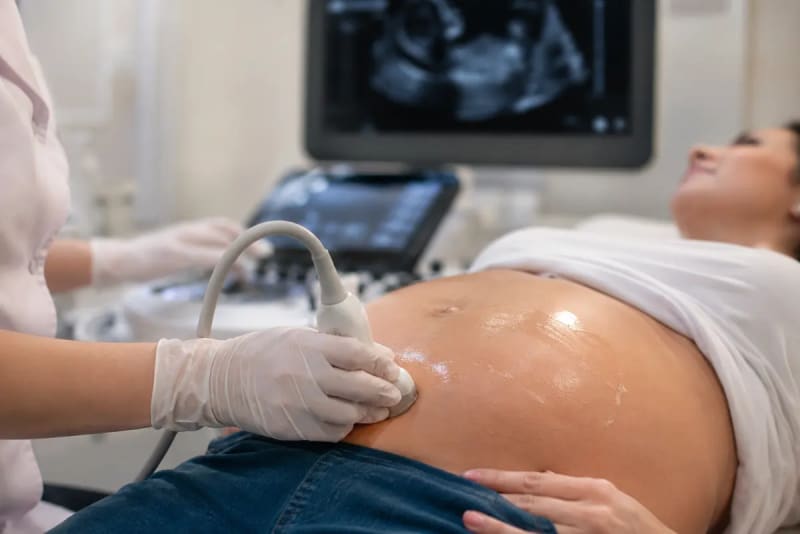
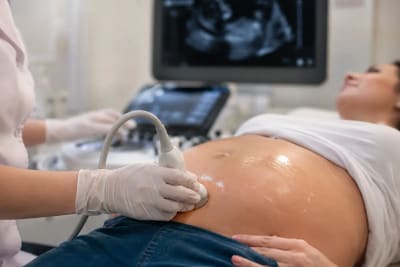
Children, the elderly, and individuals with underlying health conditions, such as diabetes or HIV, face a higher risk of severe illness and complications. Pregnant women are also at increased risk of miscarriage or stillbirth if infected. Public health officials emphasize that early detection and isolation are critical to preventing widespread transmission.
Government and WHO Response
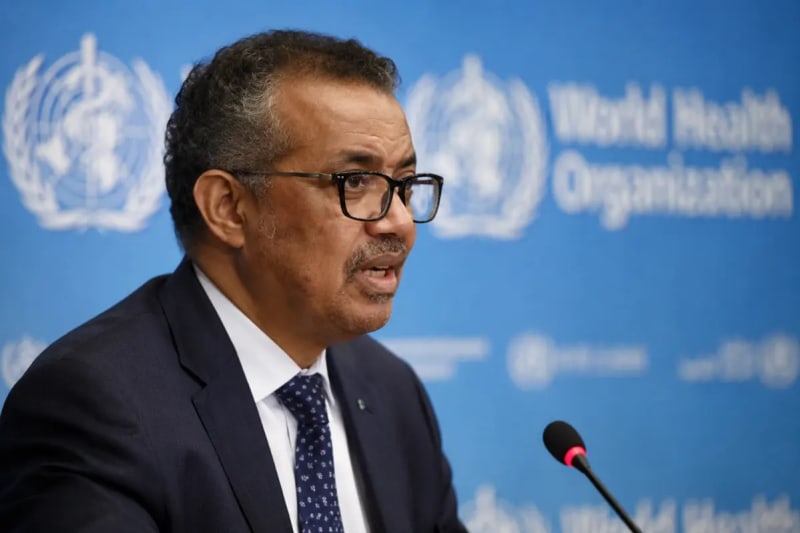
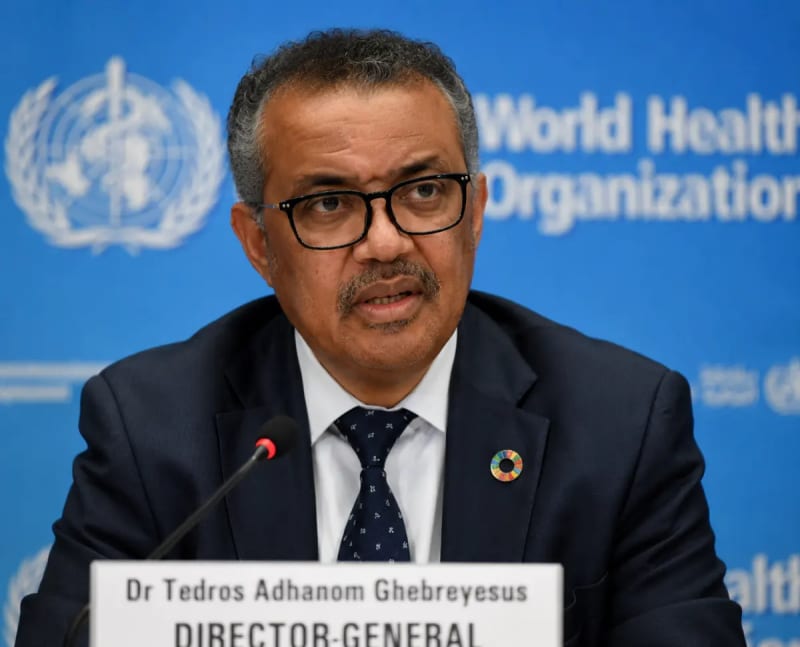
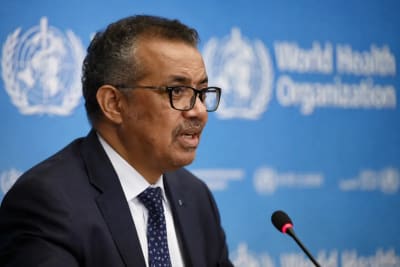
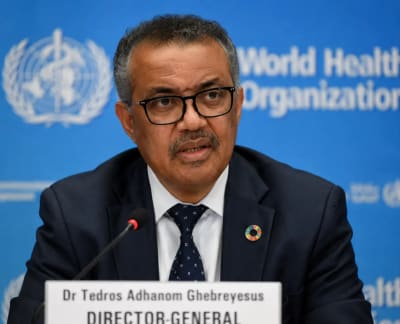
The Nigerian government has activated its National Emergency Operations Centre to coordinate the response, with support from the Nigeria Centre for Disease Control and the World Health Organization. The WHO has deployed technical experts to Uganda and the Democratic Republic of the Congo to assist with contact tracing, laboratory diagnostics, and community engagement. In Nigeria, health authorities are conducting simulation exercises to test the readiness of hospitals and isolation centers in the event of a confirmed case.
The WHO has not yet declared the current outbreaks a Public Health Emergency of International Concern, but it has urged neighboring countries to strengthen surveillance and preparedness. The organization is also facilitating the distribution of personal protective equipment and diagnostic kits to affected regions. In Nigeria, the government has stockpiled supplies and trained rapid response teams to deploy within 24 hours of a suspected case.
Prevention and Safety Guidance
Travelers arriving in Nigeria from Ebola affected countries should expect mandatory screening and may be required to provide contact details for follow up monitoring. Those exhibiting symptoms will be isolated and tested immediately. The public is advised to avoid non essential travel to outbreak zones and to monitor their health for 21 days after returning from high risk areas.
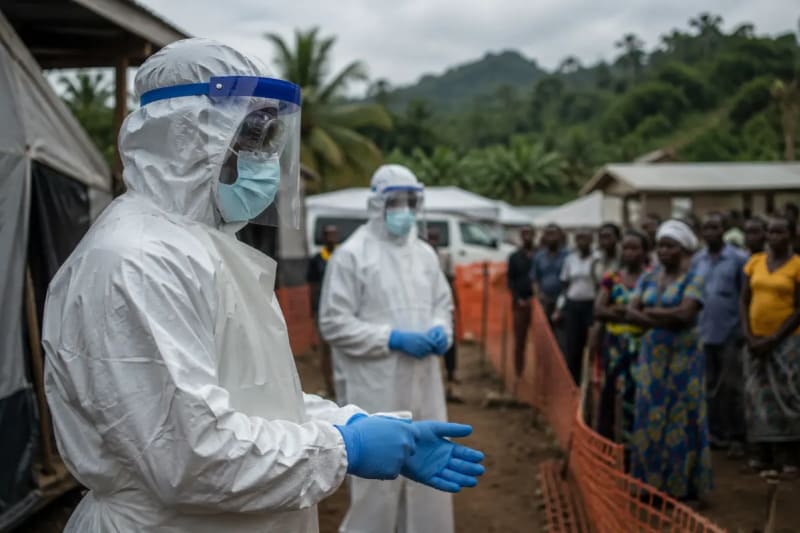
For healthcare workers, strict adherence to infection prevention and control protocols is essential. This includes wearing personal protective equipment, practicing proper hand hygiene, and safely disposing of contaminated materials. The public should avoid contact with blood or bodily fluids of infected individuals and refrain from handling bushmeat or dead animals in outbreak regions.
In the event of a suspected case, individuals should immediately contact the Nigeria Centre for Disease Control’s toll free hotline at 6232 or report to the nearest health facility. Early reporting can save lives and prevent further spread.
What Readers Should Know
While the risk of Ebola entering Nigeria remains low, the country’s proactive measures are a critical step in preventing a repeat of the 2014 crisis. The public should stay informed through official sources, such as the Nigeria Centre for Disease Control and the World Health Organization, and avoid spreading unverified information that could cause unnecessary panic.
For travelers, compliance with screening protocols is not only a legal requirement but also a civic duty to protect communities. Healthcare workers should remain vigilant and report any suspected cases immediately. By working together, Nigeria can mitigate the threat of Ebola and safeguard public health.
Key Takeaways
- Nigeria has implemented mandatory Ebola screening for inbound travelers and Hajj returnees amid outbreaks in Uganda and the Democratic Republic of the Congo.
- Symptoms of Ebola include fever, fatigue, vomiting, and in severe cases, internal or external bleeding, with an incubation period of 2 to 21 days.
- High risk groups include travelers from outbreak zones, healthcare workers, and individuals in close contact with infected persons.
- The government has activated emergency response protocols, including stockpiling supplies and training rapid response teams, to prevent cross border transmission.
- Prevention measures include avoiding non essential travel to outbreak zones, practicing strict hygiene, and reporting suspected cases immediately.
Frequently Asked Questions
What should I do if I recently traveled to Uganda or the Democratic Republic of the Congo?
Monitor your health for 21 days after returning. If you develop symptoms such as fever, fatigue, or vomiting, isolate yourself and contact the Nigeria Centre for Disease Control immediately at 6232.
Is there a vaccine for Ebola?
A vaccine exists for the Zaire strain of Ebola, which is licensed and used in outbreak response. However, there is currently no approved vaccine for the Sudan strain, which is circulating in Uganda.
How does Ebola spread?
Ebola spreads through direct contact with the bodily fluids of an infected person or contaminated surfaces. It is not airborne but can be transmitted through broken skin or mucous membranes.
What is Nigeria doing to prevent an outbreak?
Nigeria has implemented mandatory screening at airports and borders, activated its National Emergency Operations Centre, and stockpiled medical supplies. Health authorities are also conducting simulation exercises to test preparedness.
Should I be worried about Ebola in Nigeria?
The risk of widespread transmission remains low due to proactive measures. However, vigilance is essential, especially for travelers and healthcare workers. Stay informed through official sources and follow public health guidance.
Medical Review: MedSense Editorial Board











DISCUSSION (0)
POST A COMMENT