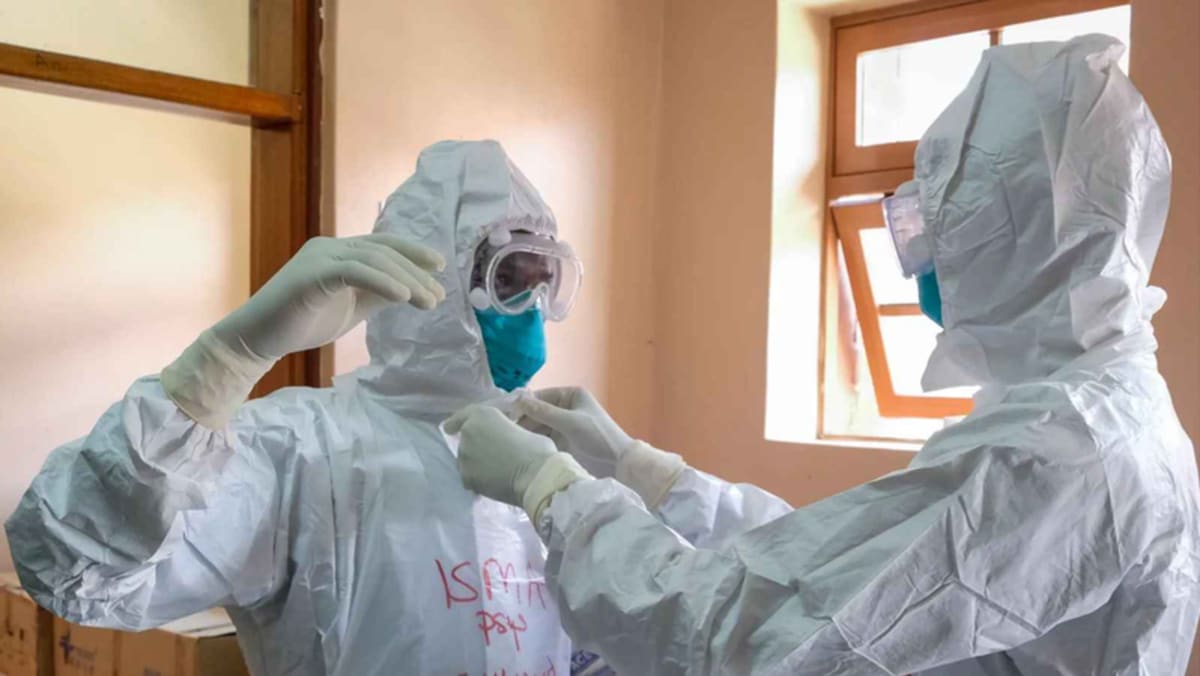
Nigeria’s public health authorities have escalated preparedness measures after classifying the country’s risk of importing the deadly Bundibugyo Ebola virus as high. The Nigeria Centre for Disease Control and Prevention (NCDC) has placed nine states, including Lagos, Abuja, and Kano, on heightened alert, signaling a proactive stance against a potential outbreak. The move comes amid global concerns over the resurgence of Ebola in regions with porous borders and high population mobility, raising alarms for Africa’s most populous nation. The Bundibugyo strain, though less documented than its more infamous counterparts like Zaire or Sudan Ebola, has demonstrated a fatality rate that demands urgent attention. With Nigeria’s dense urban centers and international travel hubs, health officials are prioritizing surveillance, rapid response protocols, and community awareness to prevent a repeat of the 2014 Ebola crisis, which claimed seven lives in the country. The NCDC’s risk assessment underscores the need for vigilance in states with high transit volumes and vulnerable healthcare infrastructure.
What Happened
The Nigeria Centre for Disease Control and Prevention (NCDC) has designated nine states as high risk zones for potential Ebola importation, following an internal risk assessment that classified Nigeria’s vulnerability to the Bundibugyo Ebola Virus Disease as "high." The states include Lagos, the Federal Capital Territory (FCT), Kano, Rivers, and five others, all identified for their roles as major transit hubs, commercial centers, or border regions with significant cross border movement.
The Bundibugyo strain, first identified in Uganda in 2007, is one of six known species of the Ebola virus. While less studied than the Zaire or Sudan strains, it has been associated with outbreaks in Central and East Africa, with fatality rates ranging between 30% and 50%. The NCDC’s alert reflects growing concerns over the strain’s potential introduction into Nigeria, particularly through travelers from affected regions or undetected cases slipping through border health screenings.
Why Public Health Officials Are Concerned
Ebola’s high transmissibility through bodily fluids, coupled with its severe clinical course, makes early detection and containment critical. The NCDC’s risk classification is based on several factors: Nigeria’s status as a regional travel hub, its porous land borders, and the strain’s historical spread patterns. Lagos and Abuja, in particular, are high priority areas due to their international airports and dense populations, which could accelerate transmission if the virus gains a foothold.
Health officials are also wary of the strain’s potential to overwhelm healthcare systems, especially in states with limited diagnostic capacity or infection control resources. The 2014 Ebola outbreak in Nigeria, though swiftly contained, exposed gaps in preparedness, including delayed detection and initial misdiagnosis. The NCDC’s current alert aims to address these vulnerabilities by reinforcing surveillance at points of entry, training healthcare workers, and stockpiling personal protective equipment (PPE).
Symptoms and Risk Factors
The Bundibugyo Ebola virus shares symptoms with other Ebola strains, typically appearing 2 to 21 days after exposure. Early signs include sudden fever, fatigue, muscle pain, headache, and sore throat, often mistaken for malaria or typhoid. As the disease progresses, patients may develop vomiting, diarrhea, rash, impaired kidney and liver function, and in severe cases, internal and external bleeding.
High risk groups include healthcare workers, family members caring for infected individuals, and travelers returning from Ebola affected regions. The virus spreads through direct contact with bodily fluids (blood, saliva, sweat, urine, or vomit) of symptomatic patients or contaminated surfaces. Unlike airborne viruses, Ebola requires close contact for transmission, but its high fatality rate and lack of approved treatments make prevention the cornerstone of control efforts.
Who May Be Affected
The NCDC’s high risk designation targets states with characteristics that could facilitate rapid spread: high population density, international airports, land borders with Ebola affected countries, and healthcare systems under strain. Lagos, for instance, is Africa’s most populous city, with over 20 million residents and a bustling seaport and airport that handle thousands of travelers daily. Similarly, Kano and Rivers states serve as commercial gateways, increasing the likelihood of undetected cases entering the country.
Healthcare workers are particularly vulnerable, as seen in previous outbreaks where frontline staff accounted for a disproportionate number of infections. The NCDC’s alert emphasizes the need for hospitals and clinics in high risk states to implement strict infection prevention and control (IPC) measures, including isolation protocols, proper use of PPE, and regular training on Ebola case management.
Government and WHO Response
The NCDC has activated its national Emergency Operations Centre (EOC) to coordinate preparedness efforts, including enhanced surveillance at airports, seaports, and land borders. Thermal scanners and health declaration forms are being reinforced for incoming travelers, while rapid response teams are on standby to investigate suspected cases. The agency is also collaborating with the World Health Organization (WHO) and regional partners to monitor Ebola activity in neighboring countries and share real time data.
The WHO has not declared a Public Health Emergency of International Concern (PHEIC) for the Bundibugyo strain but has acknowledged Nigeria’s risk assessment as a prudent measure. In a recent briefing, the WHO’s Africa Regional Office commended Nigeria’s proactive stance, noting that early detection and containment remain the most effective strategies to prevent large scale outbreaks. The organization is providing technical support, including laboratory diagnostics and risk communication tools, to bolster Nigeria’s response.
Prevention and Safety Guidance
The NCDC has issued a set of public health advisories to reduce the risk of Ebola transmission:
- Avoid non essential travel to regions with active Ebola outbreaks, particularly in Central and East Africa.
- Practice hand hygiene by washing hands frequently with soap and water or using alcohol based hand sanitizers.
- Avoid contact with bodily fluids of sick individuals, including blood, saliva, or vomit. Use gloves and protective clothing if caring for a patient.
- Do not handle or consume bushmeat, as wild animals, particularly bats and primates, are natural reservoirs for the Ebola virus.
- Isolate and report any individual exhibiting Ebola like symptoms, such as high fever, unexplained bleeding, or severe weakness, to health authorities immediately.
- Healthcare workers should adhere to standard infection control practices, including the use of PPE, safe injection practices, and proper disposal of medical waste.
For travelers arriving from Ebola affected countries, the NCDC recommends self monitoring for symptoms for 21 days and seeking medical attention if any signs develop. Airports and seaports in high risk states are conducting health screenings, including temperature checks and symptom assessments, to identify potential cases early.
What Readers Should Know
While the risk of a widespread Ebola outbreak in Nigeria remains low with current preparedness measures, the NCDC’s alert serves as a critical reminder of the country’s vulnerability to emerging infectious diseases. The Bundibugyo strain’s classification as a high risk threat underscores the importance of sustained investment in public health infrastructure, including laboratory capacity, healthcare worker training, and community engagement.
For residents in high risk states, staying informed through official sources like the NCDC and WHO is essential. Misinformation and panic can hinder outbreak control efforts, so relying on verified information is crucial. The NCDC has set up a toll free hotline (6232) for reporting suspected cases or seeking guidance, and regular updates are being disseminated through its website and social media channels.
Ultimately, Nigeria’s ability to prevent an Ebola outbreak hinges on collective vigilance. From healthcare workers to travelers and community leaders, every individual has a role to play in early detection, reporting, and adherence to safety protocols. The lessons learned from the 2014 outbreak, where swift action contained the virus to a handful of cases, demonstrate that preparedness can save lives.
Key Takeaways
- Nigeria’s NCDC has designated nine states, including Lagos, Abuja, and Kano, as high risk for Ebola importation due to the Bundibugyo strain’s potential spread.
- The Bundibugyo Ebola virus, though less studied, has a fatality rate of 30% to 50% and spreads through direct contact with bodily fluids of infected individuals.
- High risk groups include healthcare workers, travelers from affected regions, and those in close contact with symptomatic patients.
- The NCDC has activated emergency protocols, including enhanced border surveillance, rapid response teams, and public health advisories to prevent transmission.
- Prevention measures include avoiding non essential travel to outbreak regions, practicing hand hygiene, and reporting suspected cases immediately.
Frequently Asked Questions
What is the Bundibugyo Ebola virus, and how is it different from other Ebola strains?
The Bundibugyo Ebola virus is one of six known species of the Ebola virus, first identified in Uganda in 2007. While it shares symptoms with other strains, such as fever, fatigue, and bleeding, it is less documented and has a slightly lower fatality rate, estimated between 30% and 50%. Unlike the Zaire strain, which caused the 2014 West Africa outbreak, Bundibugyo has been associated with smaller, localized outbreaks in Central and East Africa.
Why are Lagos, Abuja, and Kano considered high risk states?
These states are designated as high risk due to their roles as major transit hubs, dense populations, and international connectivity. Lagos and Abuja host Nigeria’s busiest airports, while Kano serves as a commercial gateway with significant cross border movement. These factors increase the likelihood of undetected Ebola cases entering the country and spreading rapidly.
What should I do if I suspect someone has Ebola?
If you suspect someone has Ebola, isolate the individual immediately and avoid direct contact with their bodily fluids. Report the case to health authorities by calling the NCDC’s toll free hotline (6232) or visiting the nearest healthcare facility. Do not attempt to transport the patient yourself; wait for trained medical personnel equipped with protective gear.
How can healthcare workers protect themselves from Ebola?
Healthcare workers should adhere to strict infection prevention and control (IPC) measures, including wearing personal protective equipment (PPE) such as gloves, gowns, masks, and face shields. They should also practice safe injection techniques, proper disposal of medical waste, and regular hand hygiene. Training on Ebola case management and isolation protocols is essential to minimize transmission risks.
Is there a vaccine or treatment for the Bundibugyo Ebola virus?
Currently, there are no approved vaccines or specific treatments for the Bundibugyo Ebola virus. However, supportive care, such as rehydration and symptom management, can improve survival rates. Experimental treatments and vaccines developed for other Ebola strains, like the Ervebo vaccine for the Zaire strain, may offer some cross protection, but their efficacy against Bundibugyo is not yet confirmed.
Medical Review: MedSense Editorial Board






















DISCUSSION (0)
POST A COMMENT