What Happened
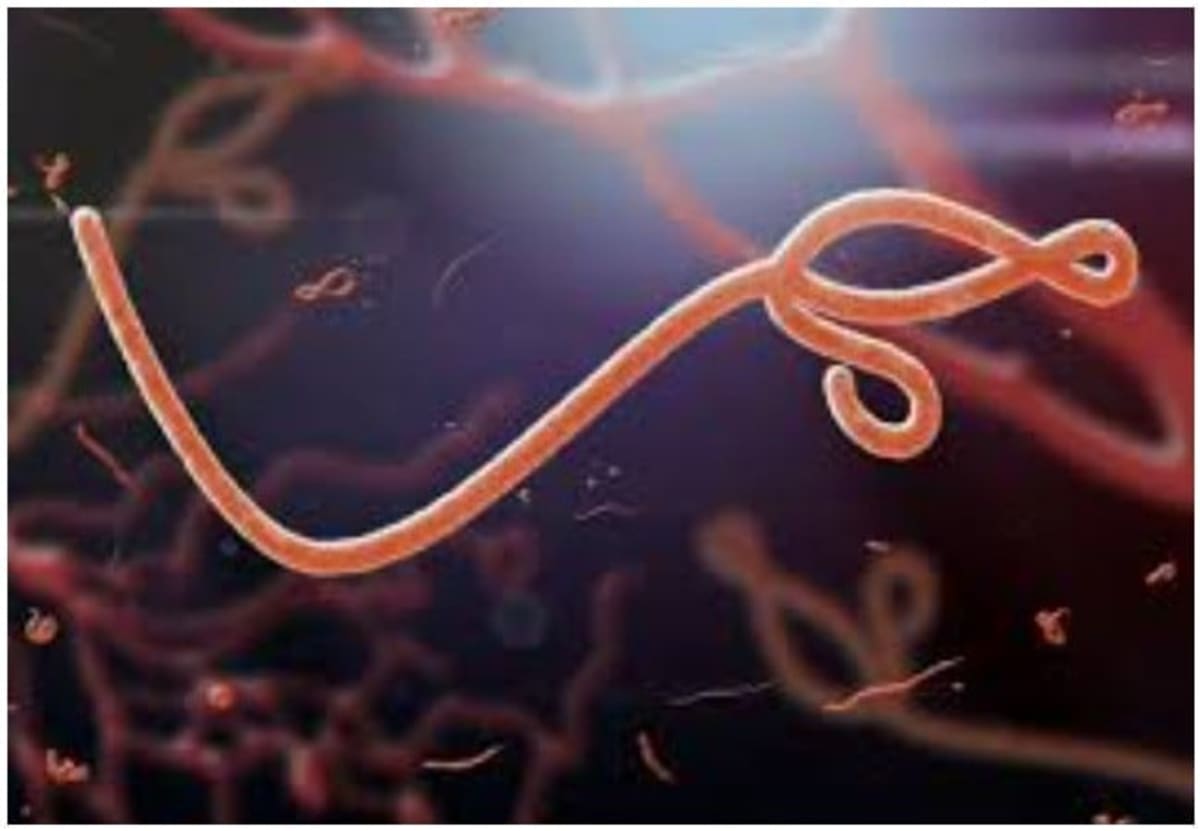
The Nigeria Centre for Disease Control and Prevention has placed Lagos, Abuja, and several other states on high alert following the detection of the Bundibugyo strain of Ebola in neighboring regions. The advisory, issued to state health commissioners, signals a proactive step to prevent cross border transmission, particularly through air and land travel. The Bundibugyo strain, first identified in Uganda in 2007, has a case fatality rate of approximately 30 to 50 percent, lower than the Zaire strain but still highly dangerous.
Why Public Health Officials Are Concerned
Ebola is a hemorrhagic fever that spreads through direct contact with bodily fluids of infected individuals or contaminated surfaces. The Bundibugyo strain, while less lethal than the Zaire variant, presents unique challenges due to its ability to evade early detection. Symptoms can mimic common illnesses like malaria or typhoid, delaying diagnosis and increasing the risk of community spread. Nigeria’s dense urban centers, such as Lagos and Abuja, are particularly vulnerable due to high population density, frequent international travel, and healthcare infrastructure strain.
Historically, Nigeria has successfully contained Ebola outbreaks, most notably in 2014 when it rapidly contained the Zaire strain after a single imported case. However, public health experts warn that complacency could undermine current preparedness efforts. The NCDC’s alert reflects a recognition that early action is the most effective tool in preventing a localized outbreak from becoming a national crisis.
Symptoms or Risk Factors
Ebola symptoms typically appear between 2 to 21 days after exposure and include:
- Sudden onset of fever and fatigue
- Muscle pain and severe headache
- Vomiting and diarrhea
- Unexplained bleeding or bruising
- Impaired kidney and liver function
Individuals at higher risk include healthcare workers, travelers returning from affected regions, and those in close contact with infected persons or animals. The Bundibugyo strain, like other Ebola variants, can persist in bodily fluids even after recovery, posing a continued risk of transmission.
Who May Be Affected
The NCDC’s advisory targets states with major international airports, land borders, or high volumes of cross border movement. Lagos and Abuja, as primary entry points, are at the forefront of surveillance efforts. Other states included in the alert are those with significant trade or migration links to East and Central Africa. While the general population is not currently at risk, the advisory serves as a reminder that vigilance is essential, particularly among frontline healthcare workers and border control agencies.
Government or WHO Response
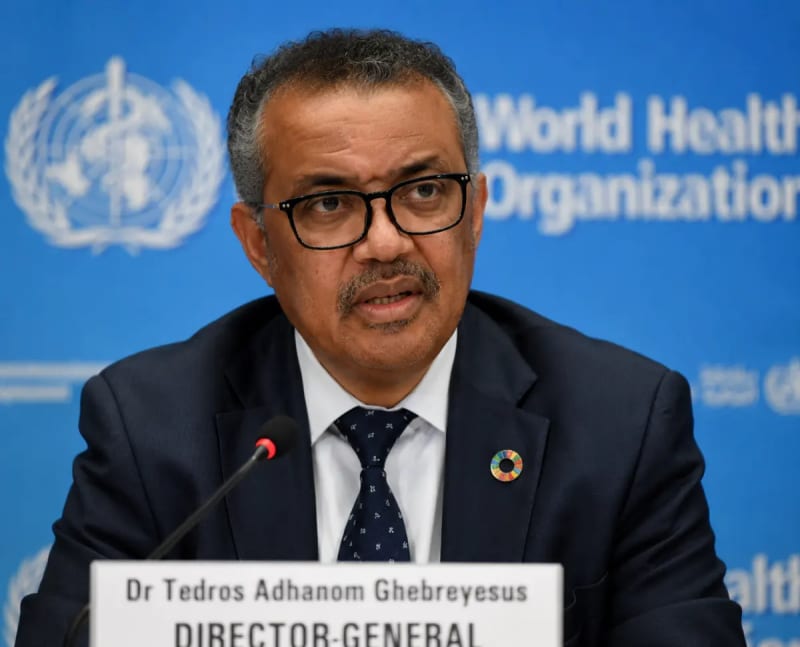
The NCDC has activated its national Emergency Operations Centre to coordinate surveillance, laboratory testing, and public communication. The agency is working closely with the World Health Organization and regional partners to monitor the situation in affected countries and share real time data. Enhanced screening measures have been implemented at major airports, including temperature checks and health declaration forms for incoming travelers. The NCDC has also urged state governments to strengthen their disease surveillance and response systems, ensuring rapid detection and containment of any suspected cases.
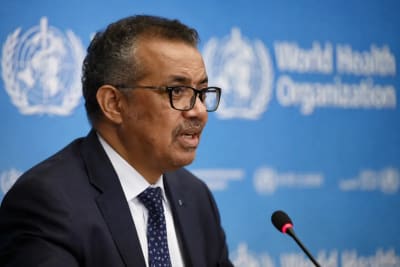
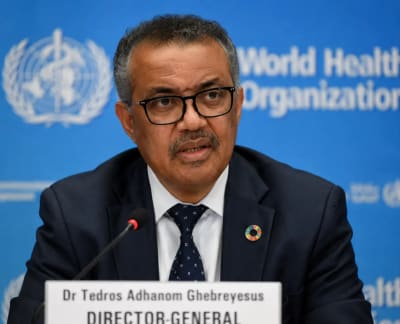
The WHO has not declared a Public Health Emergency of International Concern for the current Bundibugyo outbreak but continues to support affected countries with technical expertise and resources. In Nigeria, the focus remains on prevention, with the NCDC emphasizing that the alert is a precautionary measure rather than an indication of an imminent threat.
Prevention and Safety Guidance
The NCDC has issued the following recommendations to reduce the risk of Ebola transmission:
- Avoid non essential travel to regions with active Ebola outbreaks.
- Practice frequent hand hygiene using soap and water or alcohol based sanitizers.
- Avoid direct contact with blood, bodily fluids, or tissues of infected individuals or animals.
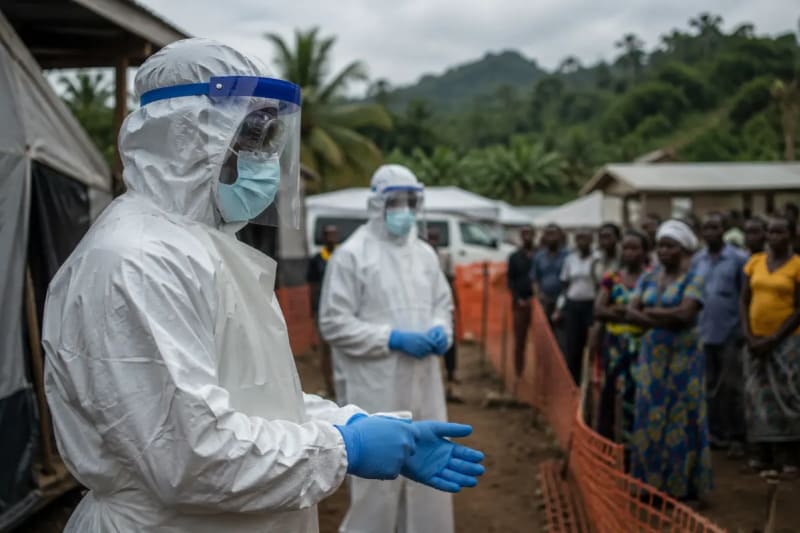
- Healthcare workers should adhere to strict infection prevention and control protocols, including the use of personal protective equipment.
- Report any suspected cases immediately to local health authorities or the NCDC toll free number.
- Travelers returning from affected areas should monitor their health for 21 days and seek medical attention if symptoms develop.
What Readers Should Know
While the risk of Ebola spreading to Nigeria remains low, the NCDC’s alert underscores the importance of preparedness in an interconnected world. The Bundibugyo strain’s emergence serves as a reminder that infectious diseases do not respect borders. For now, the public is advised to stay informed through official sources, avoid misinformation, and follow basic hygiene practices. Healthcare professionals, in particular, should remain vigilant for symptoms that could indicate Ebola, especially in patients with a recent travel history to affected regions.
The NCDC has assured the public that it is monitoring the situation closely and will provide updates as needed. In the meantime, the agency encourages calm and cooperation with health authorities to ensure Nigeria remains Ebola free.
Key Takeaways
- Nigeria has placed Lagos, Abuja, and other states on high Ebola alert due to the Bundibugyo strain outbreak in East and Central Africa.
- The Bundibugyo strain has a case fatality rate of 30 to 50 percent and can mimic symptoms of common illnesses, delaying diagnosis.
- No cases have been reported in Nigeria, but enhanced surveillance and screening are in place at major entry points.
- Healthcare workers and travelers from affected regions are at higher risk and should monitor for symptoms for 21 days.
- Prevention measures include hand hygiene, avoiding contact with bodily fluids, and reporting suspected cases immediately.
Frequently Asked Questions
What is the Bundibugyo strain of Ebola?
The Bundibugyo strain is a variant of the Ebola virus first identified in Uganda in 2007. It is less lethal than the Zaire strain but still highly dangerous, with a case fatality rate of 30 to 50 percent. Symptoms include fever, fatigue, vomiting, and unexplained bleeding.
Why is Nigeria on high alert if no cases have been reported?
Nigeria is taking a proactive approach to prevent the introduction and spread of Ebola, given its history with infectious disease outbreaks and its role as a regional travel hub. Early surveillance and preparedness are critical to containing potential cases before they escalate.
What should I do if I suspect someone has Ebola?
Avoid direct contact with the person and report the case immediately to local health authorities or the NCDC toll free number. Do not attempt to transport the individual yourself; instead, follow the guidance of health professionals.
How can I protect myself from Ebola?
Practice frequent hand hygiene, avoid contact with bodily fluids of infected individuals or animals, and follow travel advisories. If you have recently traveled to an affected region, monitor your health for 21 days and seek medical attention if symptoms develop.
Is there a vaccine for the Bundibugyo strain of Ebola?
Currently, there is no licensed vaccine specifically for the Bundibugyo strain. However, experimental vaccines and treatments are being developed and tested. The focus remains on prevention, early detection, and containment.
Medical Review: MedSense Editorial Board












DISCUSSION (0)
POST A COMMENT