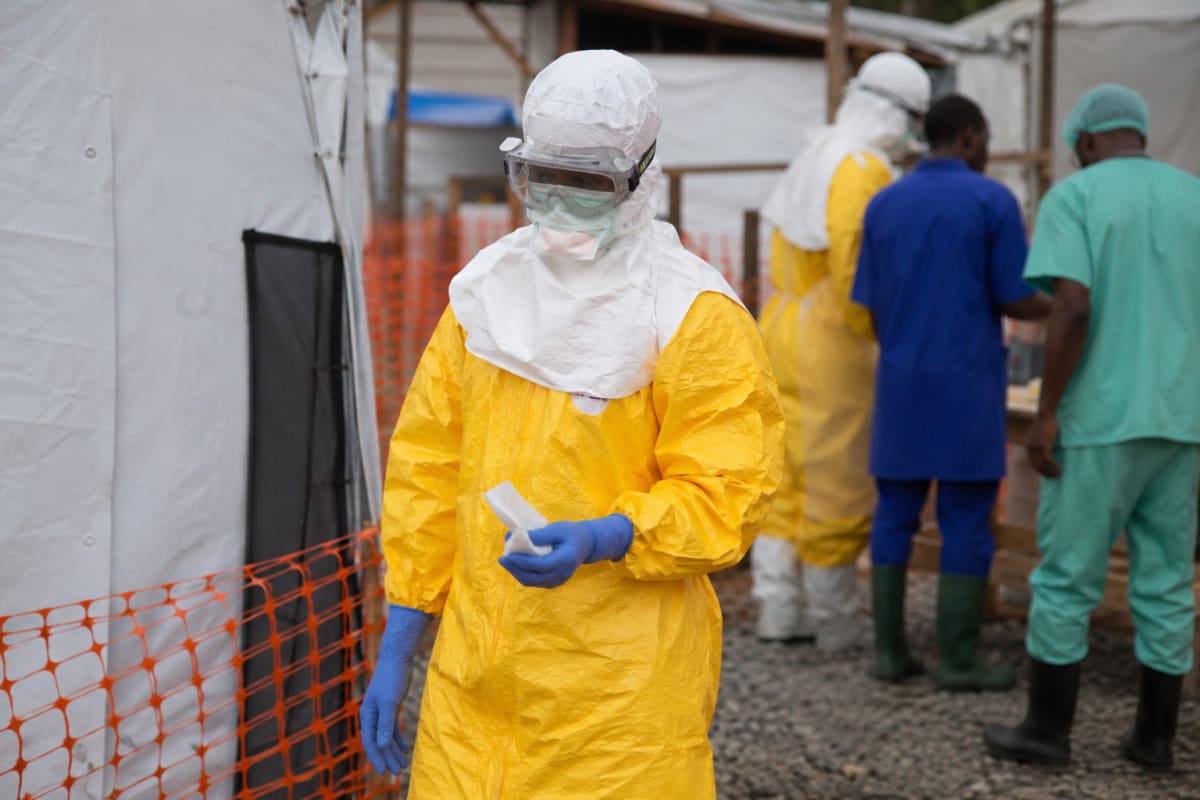
Nigeria is on high alert as Ebola outbreaks in Uganda and the Democratic Republic of Congo raise concerns about potential cross border transmission. The Nigeria Centre for Disease Control and Prevention has ramped up nationwide surveillance and emergency response measures to prevent the deadly virus from gaining a foothold in Africa’s most populous nation. With memories of the 2014 West African Ebola epidemic still fresh, public health officials are moving swiftly to contain risks before they escalate into a full blown crisis. The NCDC’s latest advisory, issued by Director General Jide Idris, underscores the urgency of the situation. While no cases have been detected in Nigeria yet, the country’s porous borders, high population density, and frequent regional travel create a high risk environment for viral spread. Health authorities are particularly concerned about undetected cases slipping through entry points, given Ebola’s ability to incubate silently for up to 21 days before symptoms appear. For millions of Nigerians, the threat is not just theoretical, it’s a reminder of how quickly infectious diseases can disrupt daily life, economies, and healthcare systems.
What Happened
The Nigeria Centre for Disease Control and Prevention has activated its highest level of preparedness in response to escalating Ebola outbreaks in neighboring countries. Uganda and the Democratic Republic of Congo are currently battling active transmission of the Sudan and Zaire strains of the Ebola virus, respectively. While Nigeria has not reported any confirmed cases, the NCDC’s proactive stance reflects lessons learned from past epidemics, where delayed action allowed diseases to spread unchecked.
The agency’s emergency measures include enhanced screening at international airports and land borders, particularly for travelers arriving from high risk countries. Health workers are being retrained on infection prevention and control protocols, while isolation centers in major cities are being readied for rapid deployment. The NCDC has also launched a public awareness campaign to educate communities about early symptoms and reporting mechanisms.
Why Public Health Officials Are Concerned
Ebola’s high fatality rate, ranging from 25% to 90% depending on the strain, makes it one of the deadliest viral threats in modern history. The 2014 West African outbreak, which killed over 11,000 people, demonstrated how quickly the virus can overwhelm healthcare systems, particularly in countries with limited resources. Nigeria’s successful containment of a single imported case in 2014 was hailed as a global model, but experts warn that complacency could be catastrophic.
Dr. Ifedayo Adetifa, former NCDC director general, emphasized in a recent briefing that Nigeria’s dense urban centers, such as Lagos and Kano, could become hotspots if the virus takes hold. "Ebola thrives in environments where healthcare infrastructure is strained, and Nigeria’s system is already under pressure from other infectious diseases like Lassa fever and cholera," he noted. The NCDC’s current strategy focuses on early detection, rapid isolation, and contact tracing, critical tools that proved effective in 2014 but require sustained funding and political will.
Symptoms or Risk Factors
Ebola typically begins with sudden fever, fatigue, muscle pain, and sore throat, symptoms that can easily be mistaken for malaria or typhoid. As the disease progresses, patients may develop vomiting, diarrhea, rash, and impaired kidney and liver function. In severe cases, internal and external bleeding occurs, though this is less common with the Sudan strain currently circulating in Uganda.
Risk factors include direct contact with bodily fluids of infected individuals, handling contaminated objects, or exposure to infected animals such as fruit bats or primates. Healthcare workers and family members caring for sick patients are at the highest risk. The virus does not spread through casual contact or airborne transmission, but its ability to persist in bodily fluids for weeks after recovery complicates containment efforts.
Who May Be Affected
While the immediate threat is highest for travelers from Uganda and the DRC, Nigeria’s large diaspora and frequent regional trade links create multiple pathways for viral introduction. Port health officials are particularly vigilant at airports serving direct flights from Kampala and Kinshasa, as well as land borders with Cameroon and Niger, where informal crossings are common.
Urban slums and rural communities with limited access to healthcare are especially vulnerable. In 2014, Nigeria’s index case, a Liberian diplomat, triggered a localized outbreak in Lagos that was contained through aggressive contact tracing. However, experts warn that a similar scenario today could strain resources, given the country’s growing population and persistent gaps in healthcare access.
Government or WHO Response
The World Health Organization has classified the current Ebola outbreaks in Uganda and the DRC as Grade 2 emergencies, indicating a moderate public health risk at the regional level. While the WHO has not yet declared a Public Health Emergency of International Concern, it has deployed teams to support surveillance, laboratory testing, and community engagement in affected countries.
In Nigeria, the NCDC is working closely with state governments to strengthen local response capacities. The agency has also stockpiled personal protective equipment, diagnostic kits, and experimental treatments like monoclonal antibodies, which showed promise during the 2018 DRC outbreak. The Federal Ministry of Health has urged all 36 states to activate their emergency operations centers and conduct simulation exercises to test preparedness.
Prevention and Safety Guidance
The NCDC’s public advisory outlines several key precautions for Nigerians:
- Avoid non essential travel to Uganda and the DRC until the outbreaks are contained.
- If you must travel, monitor your health for 21 days after returning and report any symptoms immediately.
- Practice strict hand hygiene, including frequent washing with soap and water or using alcohol based sanitizers.
- Avoid contact with blood, bodily fluids, or raw meat from wild animals.
- Healthcare workers should adhere to standard infection prevention and control measures, including wearing gloves, masks, and gowns when treating patients.
- If you suspect someone has Ebola, do not touch them. Instead, call the NCDC toll free number (6232) or your state’s emergency hotline.
What Readers Should Know
Ebola is not an airborne virus, and the risk of widespread transmission in Nigeria remains low if containment measures are followed. However, the country’s history with infectious diseases, from polio to COVID 19, shows that early action saves lives. The NCDC’s proactive approach is a critical step in preventing a repeat of 2014, when a single case nearly spiraled into a national crisis.
For now, the message from health authorities is clear: vigilance, not panic. Nigerians are encouraged to stay informed through official sources, avoid misinformation, and report any unusual symptoms promptly. While the threat is real, so too is the country’s capacity to respond, provided resources, coordination, and public cooperation remain strong.
Key Takeaways
- Nigeria has escalated Ebola surveillance and preparedness due to outbreaks in Uganda and the Democratic Republic of Congo, with no cases detected yet.
- The NCDC is focusing on early detection, border screening, and healthcare worker training to prevent viral spread.
- Symptoms include fever, fatigue, and vomiting, with severe cases leading to organ failure. Risk factors involve direct contact with bodily fluids or infected animals.
- Urban centers and border communities are at higher risk due to population density and regional travel patterns.
- Prevention measures include avoiding non essential travel to affected countries, practicing hand hygiene, and reporting symptoms immediately.
Frequently Asked Questions
How does Ebola spread?
Ebola spreads through direct contact with the bodily fluids of infected individuals or contaminated objects. It does not spread through casual contact or airborne transmission.
What are the early symptoms of Ebola?
Early symptoms include sudden fever, fatigue, muscle pain, and sore throat. These can progress to vomiting, diarrhea, and impaired organ function in severe cases.
Is there a vaccine for Ebola?
Yes, vaccines like Ervebo are effective against the Zaire strain of Ebola and have been used in outbreak responses. However, no licensed vaccine exists yet for the Sudan strain currently circulating in Uganda.
What should I do if I suspect someone has Ebola?
Do not touch the person. Isolate them immediately and call the NCDC toll free number (6232) or your state’s emergency hotline for guidance.
How long does it take for Ebola symptoms to appear?
Symptoms typically appear 2 to 21 days after exposure, with an average of 8 to 10 days. This incubation period makes early detection challenging.
Medical Review: MedSense Editorial Board
























DISCUSSION (0)
POST A COMMENT