
What Happened
The Federal Government of Nigeria has publicly reaffirmed its commitment to empowering women in the dairy sector, recognizing their contributions as essential to national food security and economic resilience. The announcement came during a press briefing organized to kick off activities for the 2026 World Milk Day celebration, an annual global event that highlights the importance of dairy in nutrition and agriculture.
Officials emphasized that women, who make up a significant portion of the workforce in small scale dairy farming, are not only producers but also key decision makers in household nutrition. Their involvement in the sector has been linked to improved dietary diversity, increased protein intake among children, and enhanced income stability for rural families.
Why Public Health Officials Are Concerned
Food insecurity and malnutrition remain critical public health challenges in Nigeria, particularly in rural and conflict affected regions. According to the latest data from the Food and Agriculture Organization (FAO), over 25 million Nigerians face acute food insecurity, with children under five among the most vulnerable. Dairy products, rich in essential nutrients like calcium, vitamin D, and high quality protein, play a vital role in combating stunting and micronutrient deficiencies.
However, the dairy sector in Nigeria has long been constrained by low productivity, limited access to markets, and inadequate infrastructure. Women, who often manage dairy production at the household level, face additional barriers including limited land ownership, restricted access to credit, and cultural norms that limit their economic participation. Addressing these challenges is seen as a pathway to not only improve nutrition but also reduce poverty and enhance community resilience.
Who May Be Affected
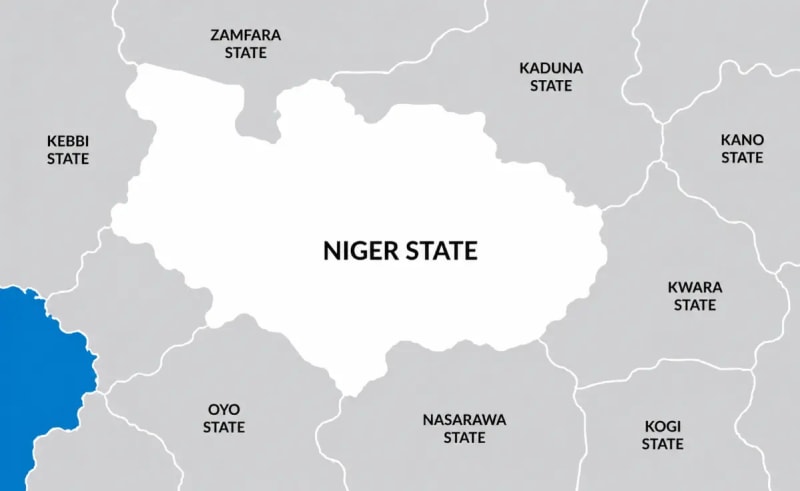
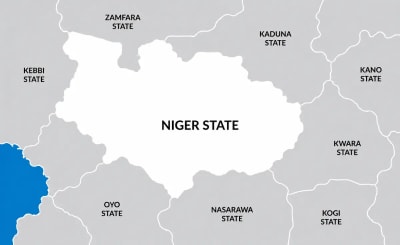
The government’s initiative primarily targets women in rural farming communities across Nigeria, particularly in states like Kano, Kaduna, Plateau, and Oyo, where dairy farming is a traditional livelihood. These women, often operating small scale or subsistence level farms, stand to benefit from improved access to training, financing, and market linkages.
Beyond individual farmers, the broader impact extends to children and families who rely on dairy as a dietary staple. With improved dairy production, households may see better nutritional outcomes, particularly in regions where protein intake is insufficient. Additionally, local economies could experience growth as increased dairy output stimulates job creation and supports ancillary industries such as feed production and veterinary services.
Government Response and Policy Direction
The Federal Government’s commitment aligns with broader national strategies, including the National Livestock Transformation Plan and the National Dairy Policy, both of which prioritize gender inclusion and sustainable agricultural development. While specific programs were not detailed in the briefing, previous initiatives have included the provision of improved livestock breeds, training in modern dairy farming techniques, and the establishment of milk collection centers to reduce post harvest losses.
International partners, including the FAO and the World Bank, have also supported Nigeria’s efforts to modernize its dairy sector. These collaborations often focus on capacity building, infrastructure development, and policy reforms aimed at creating an enabling environment for women farmers.
Prevention and Safety Guidance
For women engaged in dairy farming, safe and hygienic milk production is critical to public health. Poor handling practices can lead to contamination and the spread of foodborne illnesses. The government and health agencies recommend the following best practices:
- Regular handwashing with soap before and after milking.
- Using clean, sanitized equipment for milk collection and storage.
- Storing milk at appropriate temperatures to prevent bacterial growth.
- Ensuring livestock are vaccinated and regularly checked by veterinary professionals.
- Participating in training programs on food safety and quality control.
What Readers Should Know
Nigeria’s focus on empowering women in dairy farming reflects a growing recognition of their role in building resilient food systems. While challenges remain, the government’s commitment signals a positive step toward addressing food insecurity and malnutrition through gender inclusive agricultural policies. For rural women, this could mean greater economic independence, improved family nutrition, and a stronger voice in community development.
As the 2026 World Milk Day approaches, stakeholders are expected to roll out awareness campaigns, training workshops, and policy dialogues aimed at further integrating women into the dairy value chain. For consumers, this could translate into more accessible, affordable, and nutritious dairy products in local markets.
Key Takeaways
- Women in Nigeria’s dairy sector are critical to food security, household nutrition, and rural economic growth.
- Government initiatives aim to address barriers faced by women farmers, including limited access to credit, training, and markets.
- Improved dairy production can help combat malnutrition, particularly in children, by increasing access to nutrient rich foods.
- Safe milk handling practices are essential to prevent foodborne illnesses and ensure public health.
- Empowering women in agriculture supports broader national goals of poverty reduction and sustainable development.
Frequently Asked Questions
Why are women specifically targeted in Nigeria’s dairy sector initiatives?
Women play a central role in small scale dairy farming and household nutrition in Nigeria. They are often responsible for milking, processing, and selling dairy products, making them key contributors to food security. However, they face systemic barriers such as limited access to land, credit, and training. Targeting women in these initiatives helps address these inequities while leveraging their influence to improve family and community health.
How does dairy farming contribute to food security?
Dairy farming provides a consistent source of high quality protein, calcium, and other essential nutrients. In regions where malnutrition is prevalent, dairy products can help reduce stunting and micronutrient deficiencies. Additionally, dairy farming generates income for rural families, enabling them to purchase other food items and invest in education and healthcare.
What are the main challenges facing women dairy farmers in Nigeria?
Women dairy farmers in Nigeria face multiple challenges, including limited access to land ownership, lack of financial resources, cultural barriers that restrict their economic participation, and inadequate infrastructure for milk storage and transportation. Many also lack training in modern farming techniques and food safety practices, which can limit productivity and income.
What can consumers do to support women in the dairy sector?
Consumers can support women in the dairy sector by purchasing locally produced dairy products, which helps sustain rural livelihoods. They can also advocate for policies that promote gender equality in agriculture and support organizations that provide training and resources to women farmers. Additionally, spreading awareness about the importance of dairy in nutrition can help drive demand and create market opportunities for women producers.
Medical Review: MedSense Editorial Board



















DISCUSSION (0)
POST A COMMENT