
What Happened
The Nigeria Centre for Disease Control and Prevention (NCDC) has formally elevated its risk assessment for Ebola Virus Disease importation into Nigeria. In a recent public health advisory, the agency cited increasing global transmission patterns and the country’s vulnerability due to its extensive travel networks and proximity to active outbreak zones. While no cases have been confirmed in Nigeria at this time, the NCDC’s warning reflects a precautionary stance to prevent undetected introductions of the virus.
Why Public Health Officials Are Concerned
Ebola’s high fatality rate and rapid transmission potential make it a critical priority for disease surveillance. The virus spreads through direct contact with bodily fluids of infected individuals or contaminated surfaces, posing significant risks in densely populated urban centers. Nigeria’s experience with the 2014 Ebola outbreak, which resulted in eight deaths but was swiftly contained, demonstrated both the country’s capacity for response and the devastating consequences of delayed detection. Public health experts warn that even a single undetected case could trigger a broader outbreak, particularly in areas with overstretched healthcare infrastructure.
The NCDC’s alert also coincides with ongoing challenges in regional disease control. The Democratic Republic of Congo continues to battle recurrent Ebola outbreaks, with the World Health Organization (WHO) reporting sporadic cases in 2024. Cross border movement between Nigeria and neighboring countries further amplifies the risk of viral importation, particularly through informal trade routes and unmonitored entry points.
Symptoms or Risk Factors
Ebola Virus Disease typically presents with sudden onset of fever, fatigue, muscle pain, headache, and sore throat. As the illness progresses, patients may develop vomiting, diarrhea, rash, impaired kidney and liver function, and in severe cases, internal and external bleeding. Symptoms usually appear between 2 to 21 days after exposure, with an average incubation period of 8 to 10 days.
High risk groups include healthcare workers, family members or caregivers of infected individuals, and those who handle the bodies of deceased Ebola patients. Travelers returning from outbreak zones or individuals with recent exposure to wildlife in affected regions may also face elevated risk.
Who May Be Affected
The NCDC’s warning applies broadly to Nigeria’s population, but certain groups face heightened vulnerability. Healthcare workers, particularly those in emergency departments and infectious disease units, are at the frontline of potential exposure. Communities near international airports, land borders, and major transit hubs may also experience increased risk due to higher volumes of travelers from outbreak regions.
Additionally, individuals in rural areas with limited access to healthcare facilities could face delays in diagnosis and treatment, increasing the likelihood of secondary transmission. The NCDC has emphasized the importance of community engagement to ensure early reporting of suspected cases, particularly in regions with lower health literacy or cultural barriers to seeking medical care.
Government or WHO Response
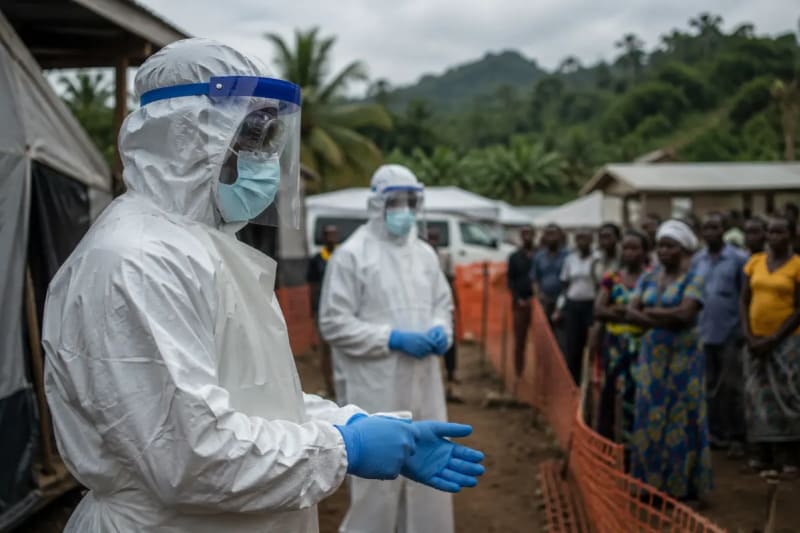
The NCDC has activated its national Emergency Operations Centre (EOC) to coordinate surveillance, preparedness, and response efforts. Key measures include:
- Enhanced screening at international airports and land borders, including temperature checks and health declaration forms for incoming travelers.
- Strengthened laboratory capacity for rapid Ebola testing, with designated facilities equipped to handle high risk samples.
- Training and retraining of healthcare workers on infection prevention and control (IPC) protocols, including the use of personal protective equipment (PPE).
- Public awareness campaigns to educate communities on Ebola symptoms, transmission routes, and preventive measures.
- Collaboration with the WHO and regional partners to monitor outbreak developments in neighboring countries and share real time intelligence.
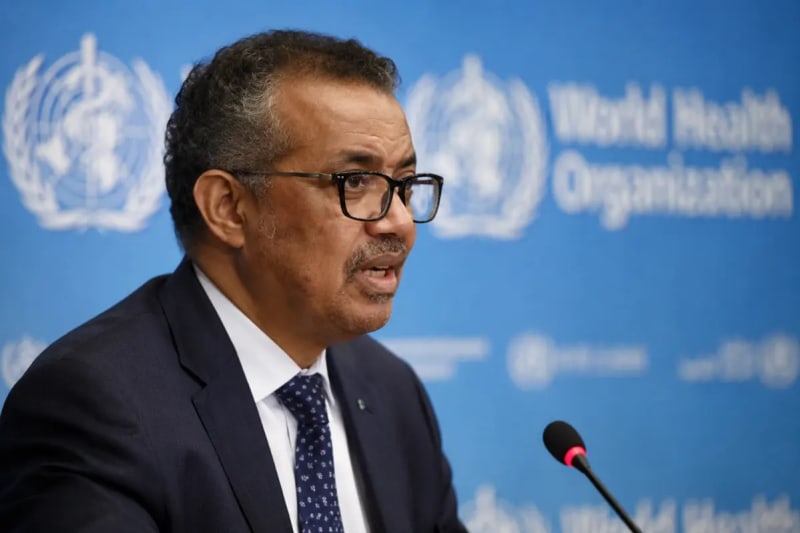
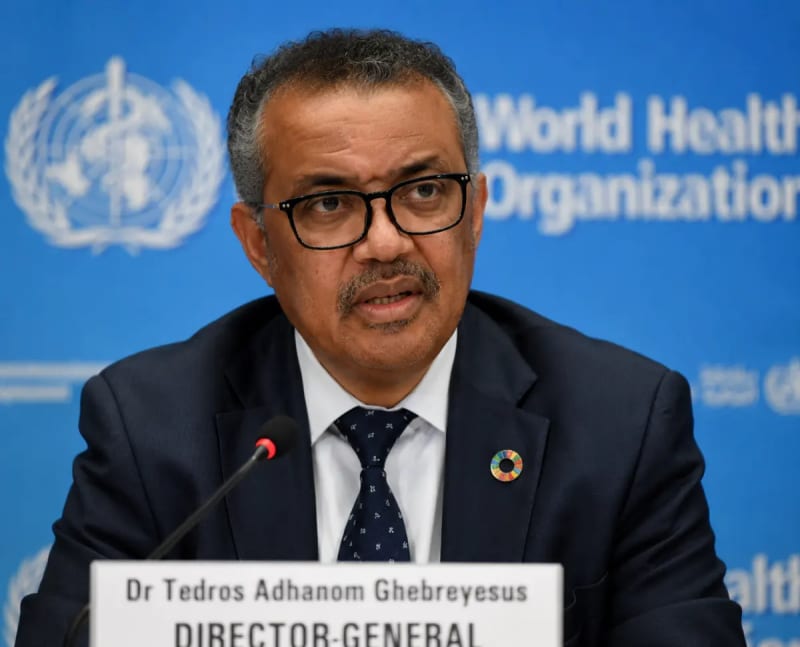
The WHO has reiterated its support for Nigeria’s preparedness efforts, noting that the country’s experience with past outbreaks positions it well to respond effectively. However, the organization has also cautioned that sustained vigilance is necessary, given the unpredictable nature of Ebola transmission.
Prevention and Safety Guidance
The NCDC has issued the following recommendations to reduce the risk of Ebola transmission:
- Avoid direct contact with bodily fluids: Refrain from touching blood, saliva, vomit, urine, or other fluids from individuals exhibiting Ebola like symptoms. Use gloves and other protective barriers when providing care to sick individuals.
- Practice hand hygiene: Wash hands frequently with soap and water or use alcohol based hand sanitizers, especially after visiting healthcare facilities or handling potentially contaminated materials.
- Safe burial practices: Avoid traditional burial rituals that involve direct contact with the deceased. Follow guidelines from health authorities for safe and dignified burials.
- Travel precautions: Travelers to or from Ebola affected regions should monitor their health for 21 days after return and seek immediate medical attention if symptoms develop. Inform healthcare providers of recent travel history.
- Report suspected cases: Individuals who suspect they or someone else may have been exposed to Ebola should contact local health authorities or the NCDC’s toll free number immediately. Early reporting can prevent further transmission.
What Readers Should Know
While the risk of Ebola importation into Nigeria is currently classified as high, the country’s public health system has demonstrated resilience in past outbreaks. The NCDC’s proactive stance reflects a commitment to preventing undetected introductions of the virus, rather than responding to an active crisis. For now, the focus remains on surveillance, preparedness, and community engagement to ensure that any potential cases are identified and contained swiftly.
For travelers, healthcare workers, and communities near high risk areas, staying informed and adhering to preventive measures is critical. The NCDC’s alert serves as a reminder that infectious disease threats are ever present, and collective vigilance is the first line of defense. As global health authorities continue to monitor the situation, updates from the NCDC and WHO will provide further guidance on evolving risks and response efforts.
Key Takeaways
- The Nigeria Centre for Disease Control and Prevention (NCDC) has classified the risk of Ebola importation into Nigeria as high, citing global transmission patterns and regional outbreaks.
- Ebola is a severe and often fatal illness with symptoms including fever, fatigue, vomiting, diarrhea, and in severe cases, internal and external bleeding.
- High risk groups include healthcare workers, travelers from outbreak zones, and individuals in close contact with infected persons or contaminated materials.
- The NCDC has activated its Emergency Operations Centre and implemented enhanced screening, laboratory capacity, and public awareness campaigns to prevent importation.
- Preventive measures include avoiding contact with bodily fluids, practicing hand hygiene, following safe burial practices, and reporting suspected cases immediately.
Frequently Asked Questions
What is Ebola Virus Disease?
Ebola Virus Disease is a severe, often fatal illness caused by the Ebola virus. It spreads through direct contact with bodily fluids of infected individuals or contaminated surfaces. Symptoms include fever, fatigue, muscle pain, vomiting, diarrhea, and in some cases, internal and external bleeding.
Why is Nigeria at risk of Ebola importation?
Nigeria’s risk stems from its proximity to active outbreak zones, particularly the Democratic Republic of Congo, as well as its extensive travel networks and porous borders. The country’s high population mobility increases the likelihood of undetected viral introductions.
What should I do if I suspect someone has Ebola?
If you suspect someone may have Ebola, avoid direct contact with their bodily fluids and immediately contact local health authorities or the NCDC’s toll free number. Early reporting is crucial to prevent further transmission and ensure prompt medical care.
How can I protect myself from Ebola?
To reduce your risk, avoid contact with bodily fluids of sick individuals, practice frequent hand hygiene, follow safe burial practices, and monitor your health if you have traveled to or from an outbreak zone. Seek medical attention immediately if you develop symptoms.
Is there a vaccine for Ebola?
Yes, vaccines such as Ervebo have been approved for use in Ebola outbreak response. However, vaccination efforts are typically targeted at high risk groups, such as healthcare workers and individuals in outbreak zones, rather than the general public.
Medical Review: MedSense Editorial Board











DISCUSSION (0)
POST A COMMENT