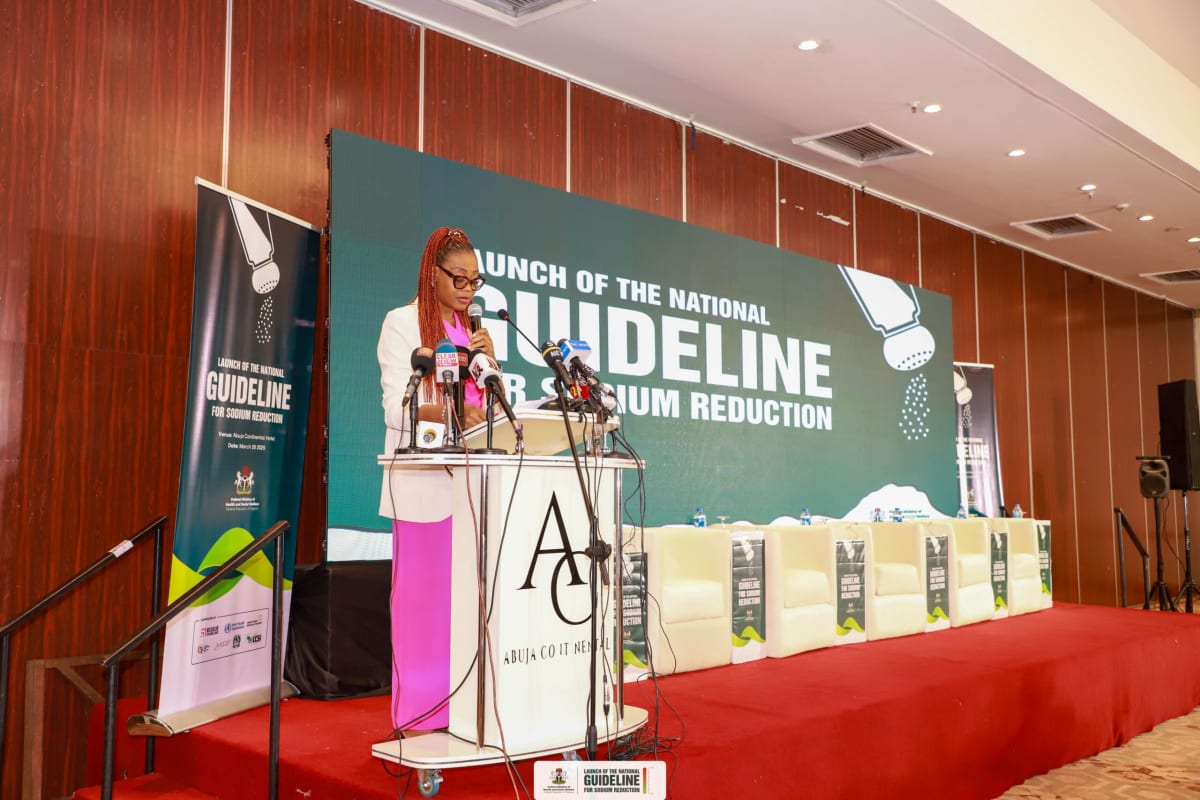
Nigeria is taking decisive action against a silent but deadly health crisis. With hypertension and cardiovascular disease rates climbing across the country, the Federal Ministry of Health and Social Welfare has launched a renewed sodium reduction campaign aimed at reshaping dietary habits and reducing preventable deaths. The initiative, marked by a high level engagement with the Kano State Ministry of Health on May 19, signals a strategic shift in Nigeria’s approach to non communicable diseases, a growing threat that now accounts for nearly a third of all deaths nationwide. The campaign arrives at a critical moment. Hypertension, often called the "silent killer," affects an estimated 38% of Nigerian adults, yet awareness and treatment rates remain alarmingly low. Excessive sodium intake, primarily from processed foods and table salt, is a well documented driver of high blood pressure, heart attacks, and strokes. By targeting sodium reduction, health officials hope to curb a trend that not only endangers lives but also strains an already overburdened healthcare system.
What Happened
The Federal Ministry of Health and Social Welfare has formally kicked off a national sodium reduction campaign, beginning with a technical engagement session in Kano State. The initiative is part of a broader strategy to address non communicable diseases, which now represent a leading cause of death in Nigeria. While the campaign’s immediate focus is on sodium, a key contributor to hypertension and cardiovascular disease, it also aligns with global best practices for dietary public health interventions.
Why Public Health Officials Are Concerned
Hypertension is a major public health challenge in Nigeria, with prevalence rates among the highest in sub Saharan Africa. The World Health Organization estimates that nearly 4 in 10 Nigerian adults live with the condition, yet fewer than 20% have it under control. Excess sodium consumption is a primary risk factor, as it raises blood pressure by increasing fluid retention and straining blood vessels. Over time, this damage can lead to heart disease, kidney failure, and stroke, conditions that are both costly to treat and devastating to families.
The problem is compounded by cultural and economic factors. Processed foods, instant noodles, and canned goods, all high in sodium, have become staples in urban diets due to affordability and convenience. Meanwhile, traditional Nigerian dishes, while often nutritious, can also be heavy on salt, particularly in regions where preservation methods rely on sodium. Without intervention, health experts warn that the burden of hypertension will only grow as Nigeria’s population ages and urbanizes.
Who May Be Affected
While hypertension can affect anyone, certain groups face higher risks. Adults over 40, individuals with a family history of high blood pressure, and those with obesity or diabetes are particularly vulnerable. The campaign also targets younger populations, as poor dietary habits established early in life can set the stage for chronic disease later. Urban residents, who tend to consume more processed foods, are at greater risk than their rural counterparts, though the problem is spreading across all demographics.
Government Response and Next Steps
The sodium reduction campaign is part of Nigeria’s broader National Multi sectoral Action Plan for the Prevention and Control of Non Communicable Diseases. The plan includes policy measures such as food labeling reforms, public awareness campaigns, and partnerships with food manufacturers to reduce sodium in packaged products. Kano State, one of the most populous regions in Nigeria, serves as a pilot for the initiative, with plans to scale the effort nationwide if successful.
Health officials have also emphasized the role of community engagement. Local leaders, religious organizations, and schools are being enlisted to promote healthier cooking practices, such as using herbs and spices instead of salt, and educating families about the dangers of excessive sodium intake. The campaign’s success will depend on both policy enforcement and grassroots adoption.
Prevention and Safety Guidance
Reducing sodium intake doesn’t require drastic changes. Small, practical steps can make a significant difference:
- Read food labels: Choose products with lower sodium content, particularly for staples like bread, canned goods, and snacks.
- Cook at home: Preparing meals from scratch allows better control over salt use. Opt for fresh ingredients and limit processed foods.
- Use alternatives: Replace salt with herbs, garlic, lemon juice, or spices to enhance flavor without increasing sodium.
- Limit high sodium foods: Reduce consumption of instant noodles, cured meats, and salty snacks, which are major contributors to daily sodium intake.
- Monitor blood pressure: Regular check ups can help detect hypertension early, allowing for timely intervention.
What Readers Should Know
This campaign is more than a public health initiative, it’s a lifeline for millions of Nigerians at risk of preventable disease. Hypertension is often asymptomatic in its early stages, meaning many people may not realize they have it until serious complications arise. By reducing sodium intake, individuals can lower their blood pressure and reduce their risk of heart attack, stroke, and kidney disease.
The effort also reflects a growing recognition that non communicable diseases are not just a personal health issue but a national priority. As Nigeria’s healthcare system grapples with infectious diseases like malaria and Lassa fever, the rise of chronic conditions threatens to overwhelm resources. Proactive measures like sodium reduction offer a cost effective way to ease this burden and improve population health.
For now, the focus remains on education and policy change. If successful, Nigeria’s campaign could serve as a model for other African nations facing similar challenges. The message is clear: healthier diets save lives, and the time to act is now.
Key Takeaways
- Nigeria has launched a national sodium reduction campaign to combat rising hypertension and cardiovascular disease rates, which affect nearly 40% of adults.
- Excess sodium intake is a major risk factor for high blood pressure, heart disease, and stroke, with processed foods and cultural dietary habits contributing to the problem.
- The campaign includes policy reforms, public awareness efforts, and community engagement, starting with a pilot program in Kano State.
- Simple dietary changes, such as cooking at home and using salt alternatives, can significantly reduce sodium intake and lower health risks.
- Early detection through regular blood pressure monitoring is critical, as hypertension often shows no symptoms until serious complications arise.
Frequently Asked Questions
Why is sodium reduction important for heart health?
Excess sodium causes the body to retain water, increasing blood pressure and putting strain on the heart and blood vessels. Over time, this can lead to hypertension, heart disease, and stroke. Reducing sodium intake helps lower blood pressure and reduces these risks.
How much sodium should I consume daily?
The World Health Organization recommends less than 2,000 milligrams of sodium per day for adults, roughly one teaspoon of salt. Most people consume far more, often without realizing it, due to processed and packaged foods.
What are the signs of hypertension?
Hypertension is often called the "silent killer" because it typically has no symptoms. Some people may experience headaches, shortness of breath, or nosebleeds, but these signs usually only appear when blood pressure is dangerously high. Regular check ups are the best way to detect it early.
Can I still enjoy Nigerian dishes while reducing sodium?
Absolutely. Many traditional Nigerian dishes are naturally flavorful and can be prepared with less salt. Using herbs, spices, and citrus can enhance taste without relying on sodium. For example, dishes like jollof rice or egusi soup can be made with minimal added salt while still being delicious.
What role do food manufacturers play in sodium reduction?
Food manufacturers are key to reducing population wide sodium intake. Many processed foods, such as bread, instant noodles, and canned goods, contain high levels of sodium. Governments and health organizations are encouraging manufacturers to reformulate products to contain less salt, which can have a significant impact on public health.
Medical Review: MedSense Editorial Board


















DISCUSSION (0)
POST A COMMENT