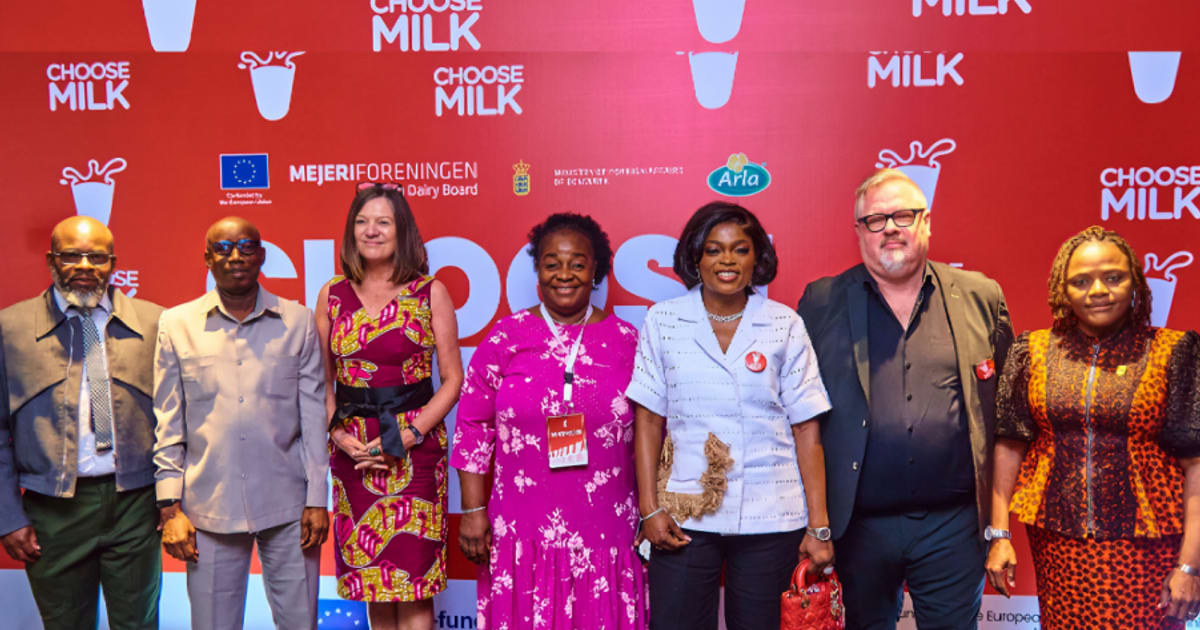
Nigeria has taken a decisive step toward addressing its persistent malnutrition crisis with the launch of the nationwide Choose Milk campaign. Spearheaded by the Federal Government in collaboration with the European Union and international health partners, the initiative aims to elevate dairy consumption as a cornerstone of nutritional security for millions of households. With malnutrition contributing to nearly half of all child deaths under five in the country, public health officials are framing the campaign as both an urgent intervention and a long term investment in national health resilience. The campaign arrives at a critical juncture. Recent data from the Nigerian Demographic and Health Survey reveals that over 37 percent of children under five suffer from stunted growth, a direct consequence of chronic undernutrition. While staple foods like grains and tubers dominate local diets, dairy products, rich in essential proteins, calcium, and vitamins, remain underutilized due to limited awareness, accessibility, and cultural preferences. The Choose Milk initiative seeks to shift this paradigm through targeted education, policy incentives, and community engagement.
What Happened
The Federal Government of Nigeria, alongside the European Union and a coalition of nutrition and agriculture stakeholders, officially inaugurated the Choose Milk campaign during a high profile event in Abuja. The launch underscored the campaign’s dual objectives: to raise public awareness about the nutritional benefits of dairy and to integrate milk consumption into national dietary guidelines. Government representatives emphasized that the initiative aligns with broader efforts to achieve the United Nations Sustainable Development Goal 2, zero hunger, by 2030.
Key partners in the campaign include the Food and Agriculture Organization, the World Food Programme, and local dairy producers. The initiative will deploy a multi pronged approach, combining mass media outreach, school based nutrition programs, and partnerships with healthcare providers to disseminate evidence based information about dairy’s role in child development, maternal health, and overall well being.
Why Public Health Officials Are Concerned
Nigeria’s malnutrition burden is among the highest globally, with far reaching consequences for public health, economic productivity, and social development. Stunting, a condition linked to chronic malnutrition, affects nearly 17 million Nigerian children, impairing cognitive development and limiting future educational and professional opportunities. Dairy products, particularly milk, offer a cost effective solution to address micronutrient deficiencies, yet their consumption remains disproportionately low in rural and low income urban communities.
Public health experts warn that the gap in dairy consumption is not merely a dietary issue but a systemic challenge. Factors such as limited cold chain infrastructure, high production costs, and cultural dietary habits have historically constrained milk’s accessibility. The Choose Milk campaign aims to dismantle these barriers by advocating for policy reforms, such as tax incentives for dairy farmers and subsidies for fortified milk products, while simultaneously educating consumers about the benefits of incorporating dairy into daily diets.
Who May Be Affected
The campaign targets three primary demographics: children under five, pregnant and lactating women, and adolescents. For young children, dairy consumption is critical for bone development, immune function, and cognitive growth. Pregnant women, who require increased calcium and protein intake, stand to benefit from improved maternal health outcomes, including reduced risks of preeclampsia and low birth weight. Adolescents, particularly girls, represent another vulnerable group, as calcium deficiencies during this life stage can lead to long term skeletal health issues.
Beyond these groups, the campaign also seeks to engage policymakers, healthcare workers, and educators as key influencers. By equipping these stakeholders with accurate information and practical tools, the initiative aims to create a sustainable shift in dietary behaviors across all socioeconomic strata.
Government and Partner Response
The Nigerian Ministry of Health has pledged to integrate the Choose Milk campaign into its National Strategic Plan of Action for Nutrition, ensuring alignment with existing programs like the National Home Grown School Feeding initiative. The EU has committed technical and financial support, including funding for grassroots advocacy and the development of localized dairy production hubs to boost supply.
International partners, such as the FAO, are providing expertise in sustainable agriculture and food systems, while local dairy cooperatives are being engaged to expand production capacity. The campaign also includes a monitoring and evaluation framework to track progress in key indicators, such as changes in dairy consumption rates and reductions in malnutrition related hospital admissions.
Prevention and Safety Guidance
While the campaign promotes dairy consumption, public health officials stress the importance of safe and informed choices. Consumers are advised to prioritize pasteurized or fortified milk products to minimize risks of foodborne illnesses, particularly in regions with limited access to refrigeration. For individuals with lactose intolerance, a condition prevalent in some Nigerian populations, alternatives such as lactose free milk or fermented dairy products like yogurt are recommended.
Parents and caregivers are encouraged to introduce dairy gradually into children’s diets, starting with small portions to monitor for allergic reactions. Healthcare providers play a crucial role in this process, offering guidance on age appropriate dairy intake and addressing misconceptions about milk allergies or intolerances.
What Readers Should Know
The Choose Milk campaign is more than a public awareness drive; it is a strategic effort to reshape Nigeria’s nutritional landscape. For families, the initiative offers an opportunity to make informed dietary choices that can yield lifelong health benefits. For policymakers and industry stakeholders, it presents a chance to strengthen local dairy value chains, create jobs, and reduce reliance on imported milk products.
As the campaign unfolds, its success will depend on sustained collaboration between government agencies, private sector players, and communities. While challenges such as infrastructure gaps and cultural preferences persist, the initiative marks a critical step toward addressing Nigeria’s malnutrition crisis with a scalable, evidence based solution.
Key Takeaways
- Nigeria’s Choose Milk campaign aims to combat malnutrition by promoting dairy consumption as a key dietary staple, targeting children, pregnant women, and adolescents.
- The initiative is a multi stakeholder effort involving the Federal Government, EU, FAO, and local dairy producers, focusing on education, policy reforms, and supply chain improvements.
- Dairy products offer a cost effective solution to micronutrient deficiencies, but safe consumption practices, such as choosing pasteurized or fortified milk, are essential to avoid health risks.
Frequently Asked Questions
Why is dairy consumption important for nutrition in Nigeria?
Dairy products are rich in essential nutrients like calcium, protein, and vitamins, which are critical for child growth, maternal health, and overall well being. In Nigeria, where malnutrition is widespread, dairy can help address micronutrient deficiencies that contribute to stunting and other health issues.
What are the risks of consuming unpasteurized milk?
Unpasteurized milk may contain harmful bacteria, such as E. coli or Salmonella, which can cause foodborne illnesses. The Choose Milk campaign advises consumers to opt for pasteurized or fortified milk products to minimize these risks, especially in areas with limited refrigeration.
How can individuals with lactose intolerance benefit from the campaign?
The campaign promotes alternatives like lactose free milk or fermented dairy products, such as yogurt, which are easier to digest. Healthcare providers can offer personalized guidance on incorporating these options into diets.
What role do schools play in the Choose Milk campaign?
Schools are a key platform for the campaign, with plans to integrate dairy education into nutrition programs and school feeding initiatives. This approach aims to instill healthy dietary habits in children from an early age.
Medical Review: MedSense Editorial Board













DISCUSSION (0)
POST A COMMENT