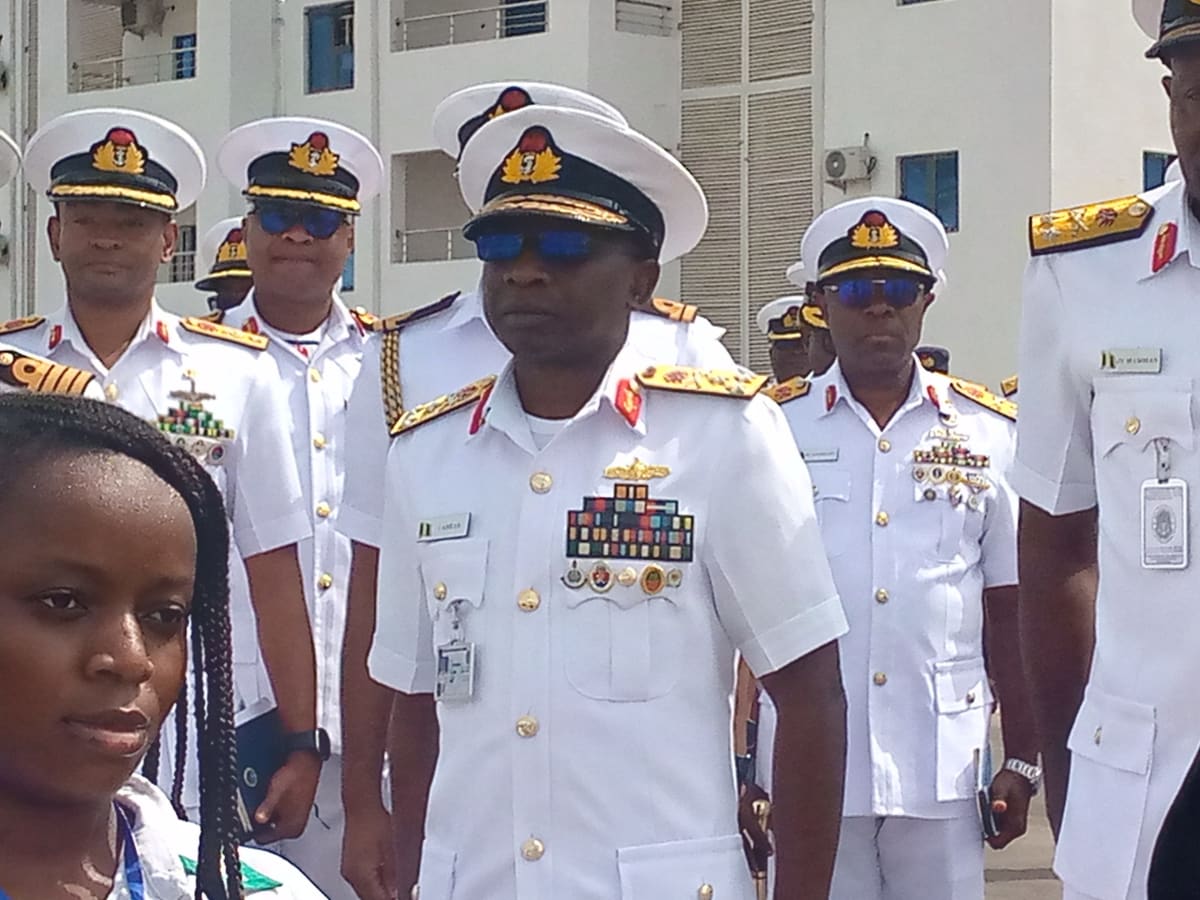
In a move to strengthen healthcare access for its personnel and their families, the Nigerian Navy has officially launched the Navy Reference Hospital in Asokoro, Abuja. The facility, unveiled during a groundbreaking ceremony led by Chief of Naval Staff Vice Admiral Idi Abbas, represents a significant investment in military health infrastructure and operational readiness. While primarily serving naval forces, the hospital is expected to play a broader role in supporting veterans, dependents, and potentially civilian communities in times of national health emergencies. The development reflects a growing recognition within Nigeria’s defense sector of the critical link between medical preparedness and military effectiveness.
What Happened
The Nigerian Navy has inaugurated the Navy Reference Hospital in Asokoro, Abuja, marking a key milestone in its efforts to improve healthcare services for naval personnel. The groundbreaking ceremony, attended by senior military officials and government representatives, also included the commissioning of several supporting infrastructure projects. The hospital is designed to provide specialized medical care, emergency services, and long term health support for active duty personnel, veterans, and their families.
Why Public Health Officials Are Concerned
While the hospital is a military initiative, its establishment carries broader public health implications. Military medical facilities often serve as critical backup during national health crises, such as disease outbreaks or mass casualty events. The Nigerian Navy’s investment in this hospital could enhance the country’s overall health system resilience, particularly in Abuja, where healthcare infrastructure faces persistent demand. Additionally, the facility may help address gaps in veteran healthcare, a long standing challenge in many African nations where military personnel often lack dedicated medical support after service.
Who May Be Affected
The primary beneficiaries of the Navy Reference Hospital will be active and retired naval personnel, as well as their dependents. However, the facility’s impact could extend further. In emergencies, military hospitals frequently provide care to civilians, particularly in regions with limited healthcare access. The hospital may also serve as a training hub for military medical personnel, potentially improving the quality of care across Nigeria’s defense health system. Over time, partnerships with civilian health institutions could further expand its role in national health preparedness.
Government and Institutional Response
The Nigerian Navy has framed the hospital as part of a broader strategy to enhance operational effectiveness through improved personnel welfare. Vice Admiral Idi Abbas, Chief of Naval Staff, emphasized the facility’s role in ensuring that naval forces remain medically fit for duty while also providing long term health security for veterans. While no formal statements from the Federal Ministry of Health or international bodies like the WHO have been issued, the project aligns with Nigeria’s national health policy goals, which prioritize strengthening healthcare infrastructure and expanding access to specialized services.
Prevention and Safety Guidance
For naval personnel and their families, the hospital’s opening offers an opportunity to access specialized care previously unavailable within the military health system. Service members are encouraged to register with the facility and familiarize themselves with its services, including preventive care, mental health support, and emergency protocols. Civilians in Abuja should note that while the hospital is primarily for military use, it may provide limited services during public health emergencies. Residents are advised to stay informed through official Navy communications regarding any changes in access policies.
What Readers Should Know
The Navy Reference Hospital represents more than a military healthcare upgrade; it signals a shift toward integrating defense health systems with national public health priorities. For Nigeria, where healthcare disparities remain a challenge, such investments can serve as models for other sectors. While the immediate focus is on naval personnel, the hospital’s long term success will depend on its ability to collaborate with civilian health authorities, train medical staff, and maintain operational readiness. As the facility becomes fully functional, its impact on both military and public health will be closely watched by policymakers and health advocates alike.
Key Takeaways
- The Nigerian Navy has launched a new reference hospital in Abuja to improve healthcare access for naval personnel, veterans, and their families.
- Military hospitals like this one can play a critical role in national health emergencies by providing backup medical capacity.
- The facility may eventually serve civilians during crises, depending on government policies and public health needs.
- The project reflects a growing trend in Nigeria’s defense sector to prioritize personnel welfare as a component of operational readiness.
Frequently Asked Questions
Who will have access to the Navy Reference Hospital in Abuja?
The hospital is primarily intended for active duty naval personnel, veterans, and their dependents. However, in national emergencies, military hospitals often extend services to civilians, though specific access policies will be determined by the Nigerian Navy and government authorities.
What services will the hospital provide?
While full details of the hospital’s capabilities have not been publicly released, military reference hospitals typically offer emergency care, specialized medical services, preventive health programs, and long term treatment for service related conditions. The facility may also include training programs for military medical staff.
How does this hospital benefit the broader Nigerian public?
Beyond serving military personnel, the hospital could enhance national health system resilience by providing additional medical capacity during outbreaks or disasters. It may also serve as a model for integrating military and civilian healthcare infrastructure, particularly in regions with limited health resources.
Will civilians be able to use the hospital for routine care?
At this stage, the hospital is not intended for routine civilian use. However, military hospitals in Nigeria and other countries occasionally provide limited services to civilians during emergencies or through special arrangements with health authorities. Official policies will clarify access rules as the facility becomes operational.
Medical Review: MedSense Editorial Board






















DISCUSSION (0)
POST A COMMENT