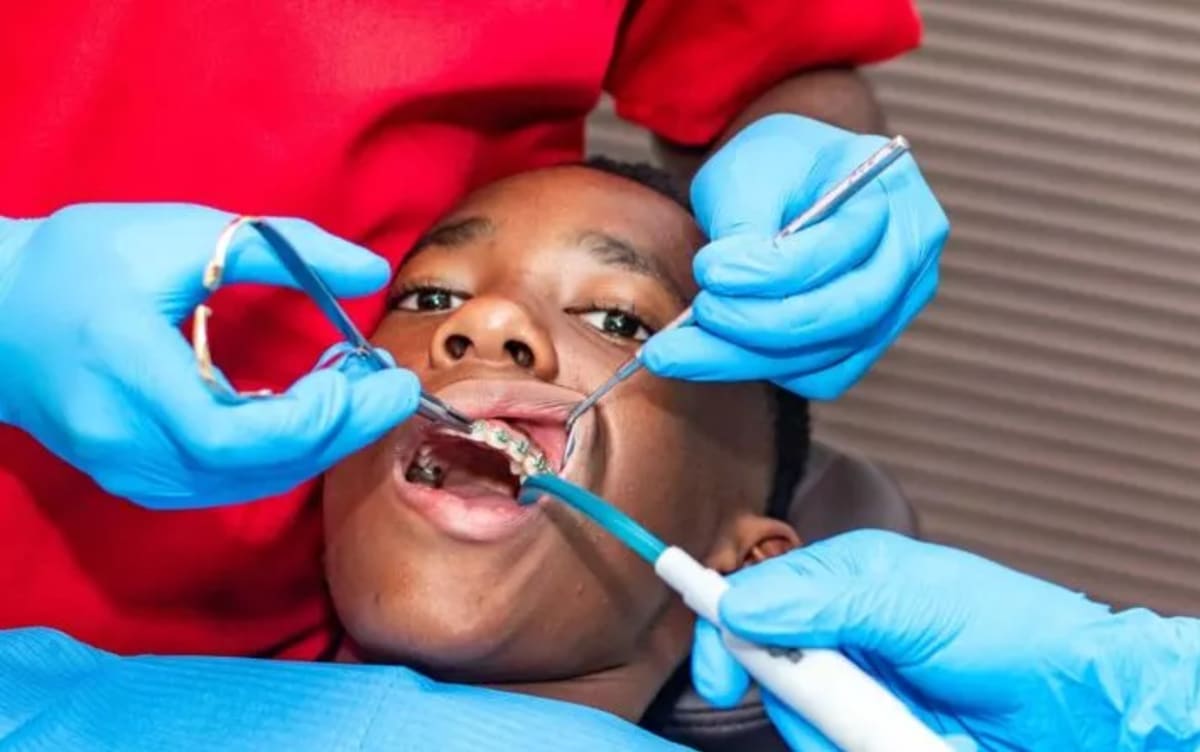
Nigeria is grappling with a severe shortage of orthodontists and dentists, a crisis exacerbated by the mass migration of healthcare professionals seeking better opportunities abroad. Smile360 Dental Specialists, one of the country’s foremost dental care providers, has sounded the alarm, warning that the exodus is crippling access to essential oral healthcare services. With fewer specialists available, patients face longer wait times, higher costs, and limited treatment options, particularly in underserved regions. The trend, locally known as "Japa", a Yoruba term for mass emigration, has hit Nigeria’s healthcare sector hard. While the phenomenon is not new, its impact on specialized fields like orthodontics is becoming increasingly dire. Dr. Amy Shumbusho, Chief Executive Officer of Smile360, highlights that the shortage is not just a professional concern but a public health issue with far reaching consequences for millions of Nigerians who rely on these services for corrective and preventive dental care.
What Happened
Smile360 Dental Specialists, a leading provider of dental care in Nigeria, has raised concerns about the accelerating shortage of orthodontists and dentists in the country. The shortage is largely driven by the migration of skilled healthcare workers to countries with better working conditions, higher salaries, and more stable professional environments. This brain drain has left Nigeria with fewer specialists to meet the growing demand for oral healthcare, particularly in orthodontics, a field that requires years of specialized training.
Why Public Health Officials Are Concerned
Orthodontic care is not a luxury but a necessity for many Nigerians, particularly children and adolescents with congenital or developmental dental issues. Untreated orthodontic problems can lead to severe complications, including speech impairments, difficulty chewing, and increased risk of tooth decay and gum disease. The shortage of specialists means delayed or inaccessible treatment, which can exacerbate these conditions and place additional strain on an already overburdened healthcare system.
Public health experts warn that the situation could worsen if measures are not taken to retain existing professionals and train new ones. The migration trend shows no signs of slowing, with many young dentists and orthodontists opting to leave Nigeria shortly after completing their training. This creates a vicious cycle where the loss of experienced professionals further discourages new graduates from staying.
Who May Be Affected
The shortage disproportionately impacts low and middle income families who cannot afford private dental care or travel abroad for treatment. Rural communities, already underserved by healthcare infrastructure, are particularly vulnerable. Children with cleft palates, misaligned teeth, or other orthodontic needs are at risk of long term health issues if they cannot access timely care. Additionally, adults requiring corrective procedures for functional or aesthetic reasons may face years long waitlists or be forced to forgo treatment altogether.
Government and Institutional Response
While the Nigerian government has acknowledged the broader issue of healthcare worker migration, there has been limited targeted action to address the shortage of dental specialists. Some initiatives, such as increased funding for medical education and incentives for healthcare workers in rural areas, have been proposed but are yet to be fully implemented. Dental schools and professional associations are also exploring partnerships with international organizations to provide additional training and resources, but these efforts are still in their early stages.
Smile360 and other private providers are stepping in to fill the gap by expanding their services and offering training programs for young dentists. However, these measures alone cannot compensate for the systemic loss of talent. Experts argue that a coordinated national strategy, including better wages, improved working conditions, and career development opportunities, is urgently needed to stem the tide of migration.
Prevention and Safety Guidance
For Nigerians seeking orthodontic care, the current shortage underscores the importance of preventive dental hygiene. Regular brushing, flossing, and routine dental check ups can help reduce the risk of conditions that may later require specialized treatment. Parents are advised to monitor their children’s dental development and seek early intervention if issues such as misaligned teeth or bite problems are detected.
Patients who require orthodontic treatment should explore all available options, including public dental clinics, teaching hospitals, and non governmental organizations that offer subsidized care. It is also advisable to consult with multiple providers to compare wait times and treatment plans. For those who can afford it, traveling to urban centers where more specialists are available may be a necessary alternative.
What Readers Should Know
The shortage of orthodontists in Nigeria is a symptom of a larger crisis in the country’s healthcare system. While migration is a personal choice for many professionals, its collective impact on public health cannot be ignored. Addressing this issue will require collaboration between government agencies, private healthcare providers, and educational institutions to create an environment where skilled professionals are motivated to stay and serve their communities.
For now, Nigerians must navigate the challenges posed by this shortage with patience and proactive health management. Advocacy for systemic change, whether through policy reforms or community driven initiatives, will be key to ensuring that future generations have access to the dental care they need.
Key Takeaways
- Nigeria is experiencing a critical shortage of orthodontists and dentists due to the migration of healthcare workers abroad, worsening access to essential oral healthcare.
- The shortage disproportionately affects low income families, rural communities, and children with orthodontic needs, leading to delayed or inaccessible treatment.
- Government and private sector responses are limited, with systemic solutions like better wages, improved working conditions, and targeted training programs urgently needed.
- Preventive dental care and early intervention are crucial for reducing the need for specialized treatment amid the current shortage.
Frequently Asked Questions
What is causing the shortage of orthodontists in Nigeria?
The shortage is primarily driven by the migration of trained orthodontists and dentists to other countries in search of better working conditions, higher salaries, and more stable professional opportunities. This trend, known locally as "Japa," has significantly reduced the number of specialists available to meet the country’s growing demand for oral healthcare.
How does the shortage of orthodontists affect patients in Nigeria?
Patients, particularly children and those in rural areas, face longer wait times for treatment, higher costs, and limited access to orthodontic care. Untreated orthodontic issues can lead to complications such as speech impairments, difficulty chewing, and increased risk of tooth decay and gum disease.
What can Nigerians do to manage their dental health amid this shortage?
Preventive care is critical. Regular brushing, flossing, and routine dental check ups can help reduce the risk of conditions that may require specialized treatment. Early intervention for children with dental issues is also important. Patients should explore all available options, including public clinics, teaching hospitals, and NGOs that offer subsidized care.
Are there any government initiatives to address this issue?
The Nigerian government has acknowledged the broader issue of healthcare worker migration, but targeted actions to address the shortage of dental specialists remain limited. Some proposed initiatives include increased funding for medical education and incentives for healthcare workers in rural areas, though these are not yet fully implemented.
What long term solutions are needed to resolve this crisis?
Long term solutions require a coordinated national strategy, including better wages, improved working conditions, and career development opportunities to retain skilled professionals. Partnerships between government agencies, private providers, and educational institutions are essential to create an environment where healthcare workers are motivated to stay and serve their communities.
Medical Review: MedSense Editorial Board















DISCUSSION (0)
POST A COMMENT