
What Happened
Professor Afekhide Omoti, the newly inaugurated President of the Nigerian Medical Association, has outlined a clear vision for his tenure: a leadership approach rooted in transparency, reform, and an unwavering commitment to the welfare of Nigerian doctors. In his inaugural address, Omoti acknowledged the multifaceted crises plaguing the country’s healthcare sector, from inadequate infrastructure and funding to the erosion of professional dignity among medical practitioners. His administration’s priorities include improving working conditions, ensuring fair compensation, and fostering an environment where doctors can practice with pride and security. The NMA, which represents over 40,000 medical professionals across Nigeria, has historically played a pivotal role in advocating for healthcare reforms, and Omoti’s leadership signals a renewed push to address long standing grievances.
Why Public Health Officials Are Concerned
The state of Nigeria’s healthcare system has been a growing concern for public health experts, policymakers, and citizens alike. The country faces a severe shortage of medical professionals, with an estimated doctor patient ratio of 1 to 5,000, far below the World Health Organization’s recommended ratio of 1 to 600. This disparity has placed immense pressure on the existing workforce, leading to burnout, low morale, and a brain drain that sees thousands of Nigerian doctors emigrating annually in search of better opportunities abroad. The COVID 19 pandemic further exposed the fragility of the system, highlighting gaps in infrastructure, resource allocation, and emergency preparedness. Omoti’s emphasis on doctor welfare is not just about improving the lives of medical professionals; it is a critical step toward stabilizing a healthcare system on the brink. Without a motivated and adequately supported workforce, the quality of care for Nigeria’s 200 million citizens will continue to suffer.
Who May Be Affected
The implications of the NMA’s agenda extend far beyond the medical community. At the forefront are Nigeria’s doctors, many of whom work in under resourced hospitals, face delayed salaries, and lack access to essential tools and training. Nurses, pharmacists, and other healthcare workers may also benefit indirectly, as improvements in working conditions and professional respect often have a ripple effect across the sector. For patients, the stakes are equally high. A well supported and motivated medical workforce is more likely to deliver timely, high quality care, reducing wait times, medical errors, and preventable deaths. Additionally, addressing the brain drain could help retain skilled professionals who might otherwise leave the country, ensuring continuity of care and expertise in critical specialties. Policymakers and government officials will also feel the impact, as the NMA’s advocacy could shape future healthcare policies, funding allocations, and labor negotiations.
Government or WHO Response
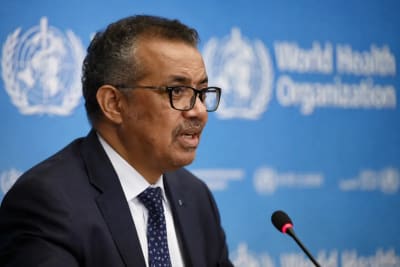
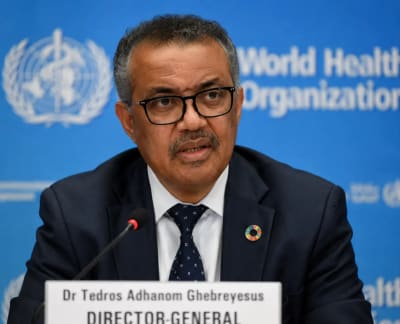
While the Nigerian government has not yet issued a formal response to Omoti’s declaration, the NMA’s agenda aligns with broader national and international calls for healthcare reform. The World Health Organization has repeatedly emphasized the need for African nations to invest in their healthcare workforces, citing the continent’s severe shortage of medical professionals as a barrier to achieving universal health coverage. In Nigeria, previous administrations have introduced initiatives such as the Basic Health Care Provision Fund and the National Health Insurance Scheme, but implementation has been inconsistent, and challenges persist. The NMA’s leadership may seek to collaborate with government agencies, international organizations, and civil society groups to push for tangible changes. However, the success of these efforts will depend on political will, funding availability, and the ability to navigate Nigeria’s complex healthcare bureaucracy.
Prevention and Safety Guidance
For Nigerian doctors and healthcare workers, the NMA’s renewed focus on welfare offers a glimmer of hope, but systemic change will take time. In the interim, medical professionals can take steps to safeguard their well being and advocate for their rights. The NMA encourages doctors to:
- Engage with local and national NMA chapters to stay informed about ongoing advocacy efforts and policy developments.
- Participate in continuous professional development programs to enhance skills and career prospects, even in resource limited settings.
- Prioritize mental health by seeking support through peer networks, counseling services, or professional organizations.
- Document and report workplace challenges, such as unsafe conditions or unpaid salaries, to relevant authorities or the NMA for collective action.
- Explore opportunities for collaboration with international medical bodies to access training, funding, or research opportunities that can improve local practice.
What Readers Should Know
The NMA’s commitment to doctor welfare is a welcome development, but it is only the first step in a long journey toward healthcare reform in Nigeria. For patients, this means staying informed about the state of local healthcare facilities and advocating for better services in their communities. Citizens can support the NMA’s efforts by holding policymakers accountable, demanding transparency in healthcare funding, and participating in public health initiatives. For doctors, the message is clear: the NMA is positioning itself as a stronger advocate, but collective action and persistence will be key to driving lasting change. The challenges are daunting, but with sustained pressure and collaboration, Nigeria’s healthcare system can move toward a more equitable and sustainable future.
Key Takeaways
- Professor Afekhide Omoti, the new NMA President, has prioritized doctor welfare, transparency, and reform in Nigeria’s healthcare sector.
- Nigeria’s doctor patient ratio of 1 to 5,000 is far below WHO recommendations, contributing to burnout, brain drain, and compromised patient care.
- Improving doctor welfare could stabilize the healthcare system, benefiting patients, policymakers, and the broader medical workforce.
- The NMA’s agenda aligns with global calls for healthcare reform but will require collaboration with government and international bodies to succeed.
- Doctors are encouraged to engage with the NMA, prioritize mental health, and document workplace challenges to drive collective change.
Frequently Asked Questions
Why is the welfare of Nigerian doctors a critical issue?
Nigeria’s healthcare system is severely understaffed, with a doctor patient ratio of 1 to 5,000, leading to overworked medical professionals, high burnout rates, and a brain drain of skilled doctors. Improving doctor welfare is essential to retaining talent, ensuring quality patient care, and stabilizing the healthcare system.
What specific challenges do Nigerian doctors face?
Nigerian doctors often work in under resourced hospitals with inadequate infrastructure, delayed salaries, and limited access to essential tools and training. Many also face unsafe working conditions and a lack of professional respect, which contributes to low morale and emigration.
How might the NMA’s new agenda impact patients?
A motivated and well supported medical workforce is more likely to deliver timely, high quality care. Improving doctor welfare could reduce wait times, medical errors, and preventable deaths, while also helping to retain skilled professionals who might otherwise leave the country.
What can Nigerian doctors do to advocate for better conditions?
Doctors can engage with the NMA, participate in professional development programs, prioritize mental health, document workplace challenges, and collaborate with international medical bodies to access training and resources.
What role can the Nigerian government play in supporting the NMA’s agenda?
The government can collaborate with the NMA to improve healthcare funding, implement existing policies like the Basic Health Care Provision Fund, and create a more enabling environment for medical professionals through fair compensation, better infrastructure, and labor reforms.
Medical Review: MedSense Editorial Board
















DISCUSSION (0)
POST A COMMENT