What Happened
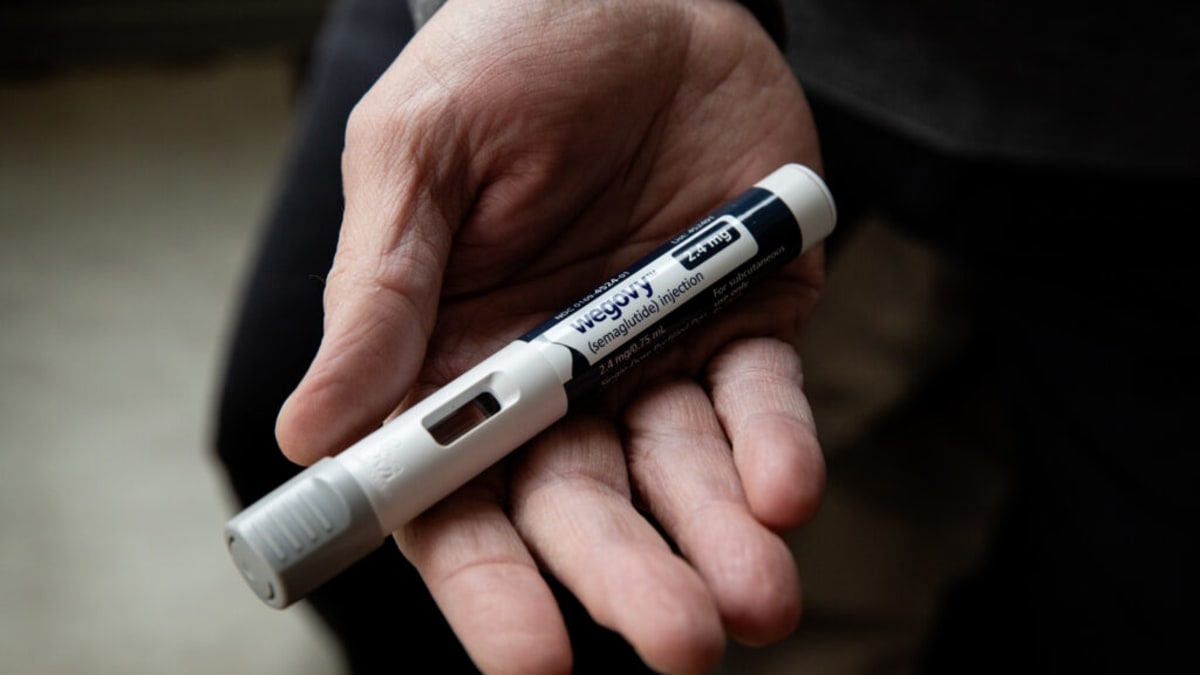
Medicare will begin covering GLP 1 receptor agonists for weight loss on July 1, 2025, under a temporary program that caps out of pocket costs at $50 per prescription. The initiative is part of a broader effort to expand access to obesity treatments, which have long been excluded from Medicare coverage under a 2003 law that prohibits payment for weight loss drugs. While the program is officially set to expire after a fixed period, policy experts suggest the political and clinical momentum behind GLP 1 coverage may make it nearly impossible to roll back.
Why Public Health Officials Are Concerned
The temporary nature of the program raises questions about equity, sustainability, and long term healthcare costs. GLP 1 drugs carry list prices exceeding $1,000 per month, and while the $50 copay makes them accessible to beneficiaries, the underlying financial burden on Medicare could be substantial. The Congressional Budget Office has not yet released a cost estimate for the program, but previous analyses of broader GLP 1 coverage suggest potential annual expenditures in the tens of billions of dollars.
Beyond cost, there are concerns about continuity of care. Patients who begin treatment under the temporary program may face abrupt discontinuation if coverage ends, potentially leading to rapid weight regain and metabolic complications. Obesity medicine specialists emphasize that obesity is a chronic condition requiring long term management, not short term intervention.
Who May Be Affected
The policy change primarily impacts Medicare beneficiaries with obesity, defined as a body mass index of 30 or higher, or those with a BMI of 27 or above who also have weight related comorbidities such as type 2 diabetes, hypertension, or cardiovascular disease. An estimated 42 percent of Americans over 60 meet these criteria, according to the Centers for Disease Control and Prevention.
Clinicians, particularly primary care physicians and endocrinologists, will also feel the effects. Many have already reported surging demand for GLP 1 prescriptions, with some patients traveling across state lines or seeking telehealth consultations to obtain them. The temporary program may further strain an already overburdened system, particularly in rural and underserved areas where access to obesity specialists is limited.
Government Response and Policy Context
The decision to cover GLP 1 drugs stems from a reinterpretation of existing Medicare law rather than new legislation. The Centers for Medicare and Medicaid Services (CMS) has argued that the drugs can be covered under Part D when prescribed for an approved indication, such as diabetes or cardiovascular risk reduction, even if weight loss is a secondary benefit. This legal flexibility has allowed CMS to bypass the 2003 exclusion without requiring congressional action.
In a statement, CMS Administrator Chiquita Brooks LaSure acknowledged the program’s temporary status but declined to specify an end date. “We are committed to evaluating the impact of this coverage on patient outcomes and program costs,” she said. “Any decision to extend or modify the program will be based on data and clinical evidence.”
Prevention and Safety Guidance
While GLP 1 drugs offer significant benefits, they are not without risks. Common side effects include nausea, vomiting, diarrhea, and constipation, which typically subside over time but can be severe in some patients. More serious complications, such as pancreatitis, gallbladder disease, and an increased risk of thyroid cancer (observed in rodent studies), have also been reported, though their relevance to humans remains under investigation.
Patients considering GLP 1 treatment should undergo a thorough medical evaluation, including a review of their medical history, current medications, and potential contraindications. The drugs are not recommended for individuals with a personal or family history of medullary thyroid carcinoma or those with Multiple Endocrine Neoplasia syndrome type 2.
For those who do not qualify for Medicare coverage or cannot tolerate GLP 1 drugs, lifestyle interventions, including dietary changes, physical activity, and behavioral therapy, remain the cornerstone of obesity management. The U.S. Preventive Services Task Force recommends intensive, multicomponent behavioral interventions for adults with obesity, which can produce modest but sustained weight loss.
What Readers Should Know
The temporary Medicare program represents a pivotal moment in the treatment of obesity, but its long term implications remain uncertain. Patients should not assume that coverage will continue indefinitely and should discuss the risks, benefits, and alternatives with their healthcare provider. Clinicians, meanwhile, should prepare for increased demand and ensure they are equipped to manage both the medical and logistical challenges of prescribing these drugs.
For policymakers, the program serves as a real world test of whether Medicare can integrate obesity treatments into its benefit structure without compromising fiscal sustainability. The outcome could influence future coverage decisions for other high cost, high value therapies, from gene therapies to novel cancer treatments.
Key Takeaways
- Medicare will temporarily cover GLP 1 weight loss drugs for $50 starting July 1, 2025, marking a major shift in obesity treatment policy.
- The program’s temporary status is uncertain, as political and clinical pressures may make it difficult to reverse once implemented.
- GLP 1 drugs have demonstrated significant efficacy but carry risks, including gastrointestinal side effects and potential long term complications.
- An estimated 42 percent of Americans over 60 may qualify for coverage under the new program, raising concerns about access and equity.
- Patients and providers should approach the program with caution, weighing the benefits against potential risks and the possibility of abrupt coverage changes.
Frequently Asked Questions
Who qualifies for Medicare’s GLP 1 coverage under the new program?
Medicare beneficiaries with a body mass index of 30 or higher, or those with a BMI of 27 or above who also have weight related conditions such as type 2 diabetes, hypertension, or cardiovascular disease, may qualify for coverage.
Why is Medicare covering GLP 1 drugs now, despite the 2003 exclusion?
The Centers for Medicare and Medicaid Services has reinterpreted existing law to allow coverage when GLP 1 drugs are prescribed for approved indications, such as diabetes or cardiovascular risk reduction, even if weight loss is a secondary benefit.
What are the risks of taking GLP 1 drugs for weight loss?
Common side effects include nausea, vomiting, diarrhea, and constipation. More serious risks may include pancreatitis, gallbladder disease, and a potential increased risk of thyroid cancer, though human data on the latter is limited.
What happens if the temporary program ends?
If the program is not extended, patients may lose coverage for GLP 1 drugs, potentially leading to weight regain and metabolic complications. Patients should discuss long term treatment plans with their healthcare provider.
Are there alternatives to GLP 1 drugs for obesity treatment?
Yes. Lifestyle interventions, including dietary changes, physical activity, and behavioral therapy, remain the foundation of obesity management. The U.S. Preventive Services Task Force recommends intensive, multicomponent behavioral interventions for adults with obesity.
Medical Review: MedSense Editorial Board
























DISCUSSION (0)
POST A COMMENT